How to Refresh Your Living Room for Summer Without Starting from Scratch


Summer is a natural nudge to rethink your living room. A full overhaul is rarely necessary. A few well-chosen furniture swaps, some smart styling decisions, and a clearer understanding of what is actually working in your space can completely change how the room feels by July. You might be convinced you need to start over, but most of the time two or three targeted changes are all it takes to walk away with a room that feels entirely new.
This guide walks through practical decisions that make a real difference for summer without blowing your budget or losing what already works.
Does Your Current Furniture Actually Fit the Room?
Before buying anything new, the first step is a sizing audit. Most living rooms feel off not because the furniture is wrong, but because the scale is wrong.
A sofa that is too large visually shrinks a room. A coffee table that sits too low relative to the seating feels disconnected. Area rugs that are too small make furniture look like it is floating. None of these problems require new furniture to fix. Some require a rearrangement. Others require one targeted swap.
Walk your space and ask a few honest questions. Is there a clear path of at least 30 to 36 inches between major pieces? Does the seating arrangement face a focal point, whether that is a window, a fireplace, or a media unit?
Pulling furniture away from the walls is a good place to start. Pieces pushed flat against every wall tend to make a room feel like a waiting area. Bringing them in a few inches creates a more intentional, layered look without spending anything at all.
Which Pieces Are Worth Keeping and Which Should Go?
Not everything in your living room deserves to make it into summer. This is the part that requires honest editing, and it helps to go piece by piece rather than looking at the room as a whole.
Sofas and sectionals are worth keeping if the frame is structurally sound, the cushion fill still has life in it, and the upholstery is not actively damaged. A sofa that looks tired but sits well might only need new throw pillows or a quality slipcover. On the other hand, a sofa that sags in the center or has broken internal support is not a quick-fix candidate. When shopping for a replacement, frame construction matters more than most buyers realize. Kiln-dried hardwood frames last significantly longer than those built with particleboard or poorly supported metal springs.
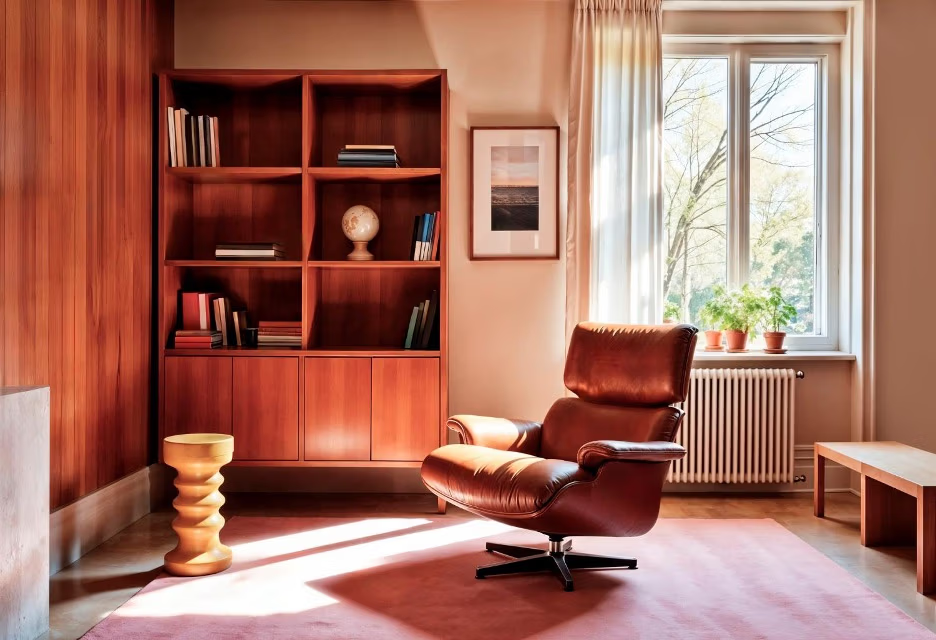
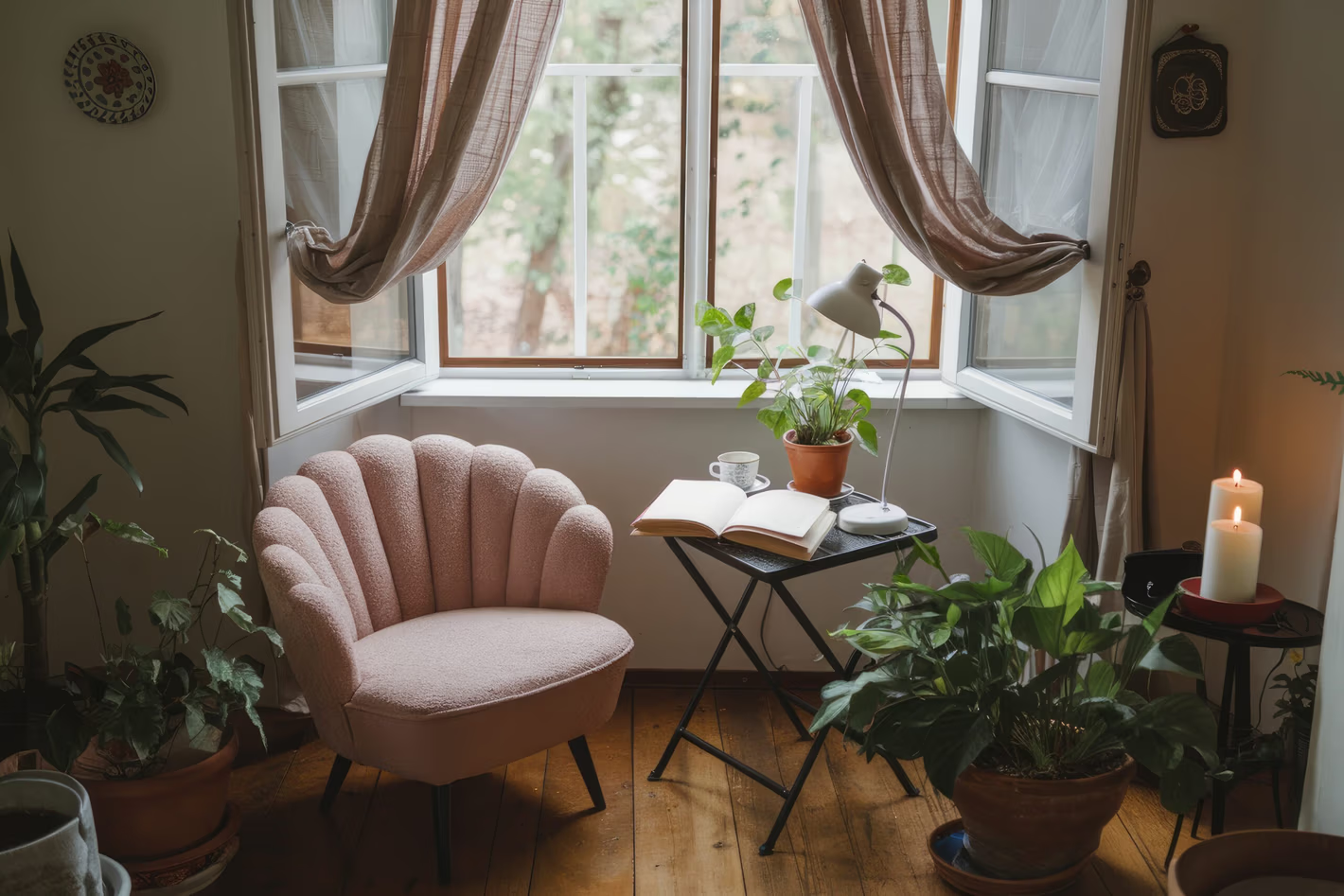
Accent chairs have one of the best return-on-investment rates of any living room piece. A single well-chosen chair in a different texture or profile can shift the whole personality of your room. They are also one of the more affordable statement pieces to replace outright, which makes them a low-risk place to try something new for summer.
Coffee and side tables are easy wins. They are relatively inexpensive, dramatically affect how finished a room feels, and swapping one out mid-season is completely doable without a full redesign. Media consoles tend to stay put longer because of connected electronics, but new hardware or a coat of paint can modernize one without replacement.
What Changes Most in a Living Room During Summer?
Summer living shifts how you actually use your room. More natural light comes in, so spaces that felt cozy in winter can suddenly feel heavy or cluttered. Foot traffic increases. Entertaining tends to happen more casually and more frequently.
The most common adjustments that make a real difference are lighter textiles, better traffic flow, and cleaner sightlines.
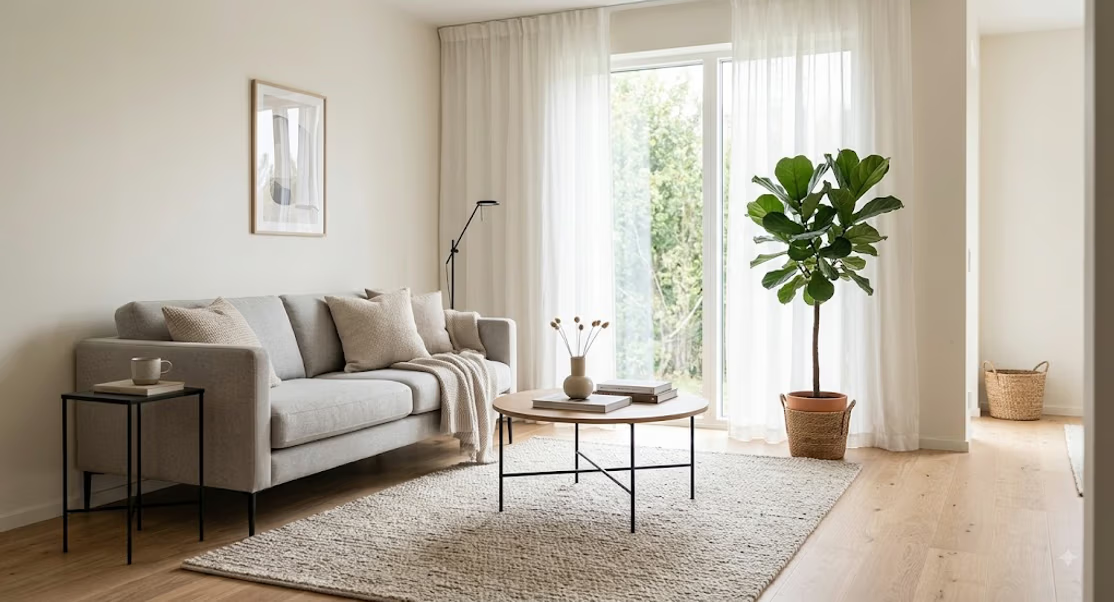
Swapping out heavier throw blankets and dark-toned pillows for lighter fabrics and cooler tones is one of the simplest changes you can make. Linen, cotton canvas, and light-weave textures breathe better and read visually lighter. There is no need to change your sofa. Just change what is on it.
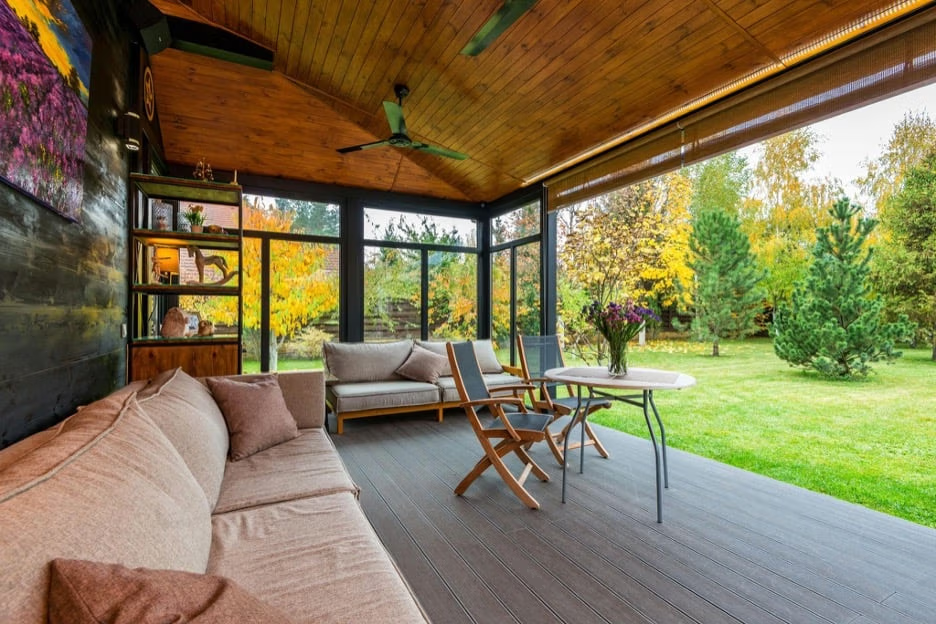
If your living room connects to a dining space or an outdoor area, your furniture arrangement either supports or interrupts that flow. Blocking a pathway to a patio door with an oversized chair is something a lot of homeowners tolerate all year without realizing how much it affects the feel of the room. Summer is the right time to fix it.
How to Layer New Pieces Without Overbuying
This is where a lot of well-intentioned refreshes go sideways. You buy several new pieces at once, bring them home, and discover that nothing quite goes together the way it looked in the store. The room ends up feeling assembled rather than considered.
A better approach is to work from one anchor piece outward. Identify that anchor before making any other purchases.
If you are adding a new sofa, let it drive every other decision. Pull the accent colors from the sofa’s undertones. Choose a rug that extends at least 6 inches beyond the front legs on each side. Match the coffee table finish loosely to one other element already in your room. If the sofa is staying, pick a different anchor such as the rug, an accent chair, or a new lighting piece and build from there.
Resist the urge to buy everything in the same wood tone or the same finish. Rooms that mix metals, wood tones, and textures feel more natural and lived-in than rooms where everything matches perfectly.
One tip that gets overlooked: buy your rug before your accent furniture, not after. The rug sets the color story of the room. Getting it right first makes every subsequent decision easier and reduces the chance of a costly return.
Are There Smarter Ways to Shop for Living Room Furniture in 2026?
Yes, and the gap between informed shoppers and everyone else has widened considerably.
The biggest shift is in how product information is available before you ever step into a store or check out online. Retailers who offer detailed spec sheets, multiple-angle photography, finish samples, and accurate dimension guides give you a real advantage. Measuring your space, comparing the actual footprint of a piece against your floor plan, and understanding finish options in advance leads to far more confident decisions and far fewer returns.
Pay attention to the difference between MSRP and sale pricing on any piece you are considering. Some retailers list inflated original prices to make discounts look larger than they are. Knowing what a piece actually sells for across different retailers gives you a real baseline for whether a deal is genuine.
Delivery options matter more than most people account for upfront. White-glove delivery costs more but is worth it for large or heavy pieces. Threshold delivery is fine for lighter accent pieces. Knowing what the delivery type includes before committing avoids surprises on installation day. If you are buying online, check whether the retailer’s website reflects live inventory. There is nothing more frustrating than completing a purchase only to find out an item is backordered for months.
What Should a Summer Living Room Actually Feel Like?

Function drives everything. A living room that looks good in photos but does not work for how your household actually lives is not a successful refresh.
For summer specifically, the practical goals are clear. Seating that can accommodate guests without feeling crowded. A coffee table surface that holds drinks and snacks without worry. Enough open floor space that kids or pets are not navigating an obstacle course. Lighting that adjusts from bright and social to calm and relaxed depending on the time of day.
The aesthetic part matters, but it should serve the function. A living room with good bones, smart scale, and furniture that fits how your family uses the space will always feel better than one styled for a photoshoot but uncomfortable to sit in.
The rooms people love most are the ones that reflect how they actually live. Summer is a good season to make that adjustment. Lighter, more open, more practical. That combination works in almost every home.
Frequently Asked Questions
What is the most cost-effective way to refresh a living room for summer?
Start with textiles before buying any new furniture. Swapping throw pillows, adding a new area rug, or changing window treatments can shift the feel of a room significantly for a fraction of the cost of new furniture. If your budget allows one furniture investment, an accent chair tends to deliver the most visible impact per dollar spent.
How do you know if your sofa is worth keeping or should be replaced?
Press down on the seat cushions and let them go. If they do not return to their original shape within a few seconds, the fill is gone. Sit in the sofa and feel for any unevenness, sagging, or creaking from the frame. If the frame feels solid and the cushions still have body, the sofa is worth keeping. Surface wear alone is rarely a reason to replace a structurally sound piece.
What size rug works best in a living room?
For most living rooms, the rug should be large enough that all four legs of the sofa sit on it, or at minimum the two front legs. A common mistake is buying a rug that is too small, which makes furniture look like it is floating. In a standard living room, an 8×10 or 9×12 rug is typically the right starting point.
How do you mix furniture styles without the room looking chaotic?
Pick one consistent element to carry across all pieces, whether that is a finish, a leg style, or a color family. Everything else can vary. A room with mixed wood tones, different upholstery textures, and varied silhouettes can still feel cohesive if there is one connecting thread. The most reliable unifying element is a rug that contains several of the room’s key colors.
Is it better to buy furniture as a set or mix individual pieces?
Individual pieces almost always produce a better result. Matching sets can feel flat and impersonal, and they limit your ability to replace one piece without the rest looking out of place. Buying individual pieces takes more effort upfront but produces a room that feels curated rather than pre-packaged.
The Bottom Line
Refreshing your living room for summer does not require starting over. It requires a clear-eyed look at what is working, a few intentional swaps, and a shopping approach that puts function ahead of trends. Start with scale and flow, edit before adding, and let one anchor piece guide the rest of your decisions. The rooms that feel best by the end of July are usually the ones that changed least on the surface but shifted the most in terms of how they actually work.