
Creative Flooring On Walls Ideas for Your Home


Have you ever considered taking that beautiful flooring you love and putting it somewhere completely unexpected? Welcome to one of home design’s most creative and impactful trends: using flooring on walls. It’s a design secret that can instantly add texture, warmth, and a distinct personality to any room, turning a plain surface into a true work of art.
Why Flooring on Walls Is a Timeless Design Trend
This isn't just some fleeting fad. Using materials like wood or tile on walls is a design choice with deep roots, and it’s one that has incredible staying power. We've always believed that helping you "Love Your Home" means finding those creative touches that make a space uniquely yours, a philosophy we’ve held dear since we first opened our doors in 1946. This guide is your first step toward that.
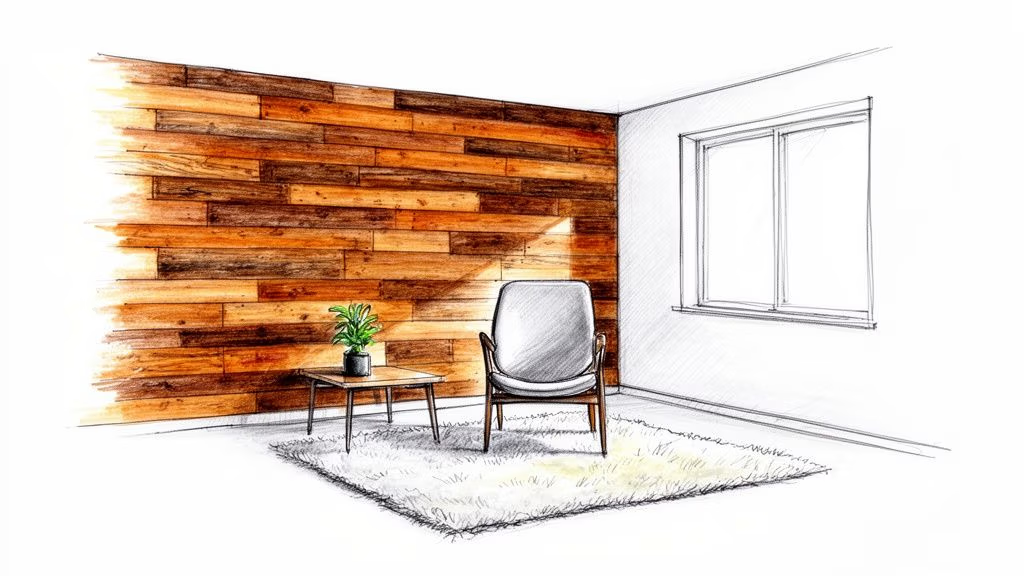
Adding Character and Warmth to Your Space
Just imagine taking a flat, uninspired wall and making it the absolute centerpiece of your living room or bedroom. By installing flooring materials on vertical surfaces, you introduce a layer of natural texture and depth that a simple coat of paint could never hope to achieve.
The right material can completely shift a room’s entire atmosphere. A rustic hardwood wall can make a family room feel like a cozy mountain lodge, while sleek, modern vinyl planks can give a home office a clean, sophisticated edge. It’s a statement of quality and intention, showing you’ve put real thought into every surface of your home.
This isn't just about following a trend; it's about crafting a space that feels uniquely yours. A wall clad in beautiful wood or tile tells a story of craftsmanship and thoughtful design, immediately elevating the entire room.
A Practical and Durable Choice
Beyond its stunning good looks, using flooring on your walls is an incredibly practical decision. These materials are engineered to withstand daily foot traffic, which means they are exceptionally durable when used on a wall. They’re built to handle wear and tear far better than painted drywall.
This makes them a fantastic choice for high-traffic areas like hallways, entryways, or even busy commercial spaces.
- Easy Maintenance: Most flooring materials are a breeze to clean, usually just needing a quick wipe-down to look their best.
- Added Protection: They serve as a tough barrier for your walls, helping to prevent the scuffs, dents, and scratches of daily life.
- Acoustic Benefits: Many of these materials, especially wood, can also help absorb sound, making your rooms feel quieter and more serene.
This idea of lasting quality is something we stand by in everything we do. We believe a home should be beautiful and built to last, a value our Logan County community has always understood. If you’re looking to create an accent wall, we invite you to read our guide on choosing the perfect accent wall color for more inspiration. And remember, no matter the size of your project, our flexible financing options are here to help you bring your dream home to life.
A Rich History From Castle Walls To Colonial Homes
The idea of putting flooring on your walls might seem like a fresh, modern design hack, but it’s actually a practice that’s been around for centuries. It started out of pure necessity and evolved into a mark of true luxury. Knowing this history, which mirrors our own commitment to quality here in Logan County since 1946, helps you appreciate that you’re not just chasing a trend—you’re choosing a style with deep roots.
Think back to medieval times. While stone floors were common in drafty castles, that same rugged stone was often installed on the lower parts of walls. It wasn't just for looks; it was a smart way to add another layer of insulation and fight off the damp chill.
From Drafty Castles to Elegant Manors
As building methods got more sophisticated, this practical technique transformed into a way to show off wealth and status. The focus shifted from rough stone to beautifully finished wood, a material that has always signaled quality craftsmanship and permanence.
This was especially true in colonial America, where timber was abundant. Hardwood planks intended for floors, like wide-board elm and oak, were frequently used for wall paneling. In fact, architectural records show this floor-to-wall application was common in 70% of upscale homes built between 1625 and 1714. By 1750, nearly 40% of Virginia plantation houses featured floor-grade wood on their walls, a design choice that added warmth and was a clear statement of the owner’s prosperity. You can explore more about the rich history of flooring materials and their uses.
A wood-clad wall is more than just a design feature; it connects your home to a long tradition of durable, quality construction and timeless style.
Bringing Timeless Craftsmanship into Your Home
That long history of beautiful, lasting wood finishes is exactly what inspires the custom options we offer today. You can see that same dedication to quality in the furniture we source from partners like Smith Brothers of Berne. Their handcrafted pieces capture the spirit of those early artisans who saw wood as an essential part of a warm, inviting home.
When you create a feature wall in your living room or add character to a commercial space, you're using a design language that has been spoken for generations. It’s a deliberate choice for enduring quality over a fleeting trend.
A project like this can seem like a big undertaking, but it doesn't have to be overwhelming. We’ve set up financing options to make these kinds of significant home updates more accessible, so you don't have to put your vision on hold. We’re here to help you bring that timeless look into your home, with our local service and delivery team handling all the heavy lifting. All you have to do is enjoy the beautiful result.
Which Material Is Right For Your Wall?
Alright, now for the best part—picking the material that will bring your new accent wall to life. This is where your unique style gets to shine, and just like in our Bellefontaine showroom, we’re here to help you explore every option with our no-pressure promise. It’s all about finding the perfect match for your home, whether you're focused on a budget or investing in a look that will last a lifetime.
Choosing your material is a bit like picking ingredients for a favorite recipe; each one brings its own character and feel. Solid hardwood is that rich, classic base, while engineered wood offers a little more flexibility. Then you have luxury vinyl and laminate—the modern, versatile players that can handle just about anything.
Solid And Engineered Hardwood: The Timeless Classics
For a lot of people, a solid hardwood accent wall is the gold standard, and for good reason. Nothing quite matches the authentic warmth it brings to a room, making the space feel grounded and a little more luxurious. Every single plank has its own story, told through unique grain patterns, knots, and natural character that you just can't fake. It's a choice that speaks to a real appreciation for craftsmanship and enduring style.
Engineered hardwood is its very close cousin, giving you that same high-end look with an extra layer of stability. It’s built with a real hardwood layer on top, bonded to layers of plywood underneath. That construction means it’s less likely to expand and contract with temperature shifts, which is a real plus when you're putting it on a wall.
- Solid Hardwood: The ultimate in authenticity. It's perfect for creating a warm, rustic, or traditional feel and is a true investment in your home's character.
- Engineered Hardwood: Gives you the look of real wood but with better stability, making it a super reliable choice for walls.
Laminate And Vinyl: The Versatile Workhorses
If you’re looking for options that are both practical and friendly on the wallet, don’t overlook laminate and luxury vinyl plank (LVP). These materials have improved dramatically over the years, now featuring high-definition imaging that can realistically mimic the look of wood, stone, or even custom tile. They open up a world of design possibilities without the premium price tag.
LVP, in particular, is a total game-changer for putting flooring on walls in places that see a little moisture. Because it’s waterproof, it’s an amazing choice for a laundry room accent wall—it would create a stylish, durable backdrop for one of our Speed Queen laundry sets. It's also a smart pick for bathrooms or even a kitchen backsplash where you want the look of wood without the worry. Using materials like this is a fantastic way to how to add color to your home without painting.
A good rule of thumb in design is to let one pattern be the hero. If you pick a beautifully grained wood-look vinyl for your wall, think about pairing it with simpler, solid-colored countertops or furniture. This lets your new wall really stand out and be the star of the room.
Material Comparison For Wall Applications
| Material | Average Cost (per sq ft) | Best Use Case | Pros | Cons |
|---|---|---|---|---|
| Solid Hardwood | $8 – $25+ | Living room feature walls, bedrooms, home offices | Unmatched authenticity and warmth; adds significant home value | Susceptible to moisture; can be heavy and costly |
| Engineered Wood | $6 – $20 | Most interior walls, including basements | Real wood look; more stable than solid wood | Still requires care around moisture; can be pricey |
| Laminate | $3 – $8 | High-traffic areas, kids' rooms, budget projects | Very affordable and durable; huge variety of styles | Can look less authentic; not waterproof; difficult to repair |
| Luxury Vinyl Plank | $4 – $12 | Bathrooms, laundry rooms, kitchens, basements | Waterproof; easy to clean; very durable; realistic visuals | Can be dented by heavy impacts; quality varies by price |
| Tile | $5 – $30+ | Bathrooms, showers, kitchen backsplashes, entryways | Extremely durable and waterproof; endless design options | Can be cold and hard; installation is labor-intensive and costly |
As you can see, the "best" material really depends on your room, your style, and your budget.
Tile: A World Of Pattern And Color
And of course, we can't forget tile. We often think of it for floors or backsplashes, but tile makes for a stunning and incredibly durable feature wall. You can go with anything from classic subway tile to intricate, colorful mosaics to create a look that is 100% you. For anyone thinking about tile, checking out a guide on the best tile for shower walls can give you some great insights on durability and style for vertical surfaces.
No matter which direction you're leaning, our Low Price Promise means you're always getting the best value. And with flexible financing options available, you can focus on bringing your vision to life. Ready to get started? Come see the options for yourself at our showroom in Bellefontaine or browse our collections online.
How Mid-Century Modern Design Shaped This Trend
The idea of putting flooring on walls isn't brand new—it’s a concept with deep roots in the Mid-Century Modern design movement. The post-war era was all about innovation, and designers were constantly experimenting with new ways to use materials to create spaces that felt seamless, warm, and integrated.
One of the most surprising trends to emerge was carpeting on walls. As wall-to-wall carpet exploded in popularity after WWII, it didn't just stay on the floor. Designers used it to create plush, textured wall panels that gave rooms a unified, cozy feel. In open-concept homes, this trick could reduce echoes by up to 60%. The numbers tell the story: in 1951, only 6 million square yards of tufted carpet were sold. By 1968, that number skyrocketed to nearly 400 million yards, a boom you can learn more about in an exclusive interview with a flooring industry expert.
From Cozy Homes to Professional Spaces
This history of using materials in unexpected ways still inspires us today, especially when we're designing for our Commercial Office clients here in Bellefontaine. That Mid-Century focus on blending style with pure function is a principle we live by.
The same idea of using soft wall coverings for sound absorption is a brilliant solution for modern professional spaces. A textured accent wall in a conference room, private office, or open-plan area can dramatically improve acoustics while adding a serious dose of style. It’s a perfect example of how our deep design heritage, stretching all the way back to 1964, helps us find solutions that are both practical and beautiful.
Thinking about materials in new ways is what great design is all about. An accent wall isn't just decoration; it can be a tool to solve a problem, like reducing noise in a busy office or adding warmth to a large living room.
Making the Right Choice for Your Project
So, how do you choose the right material for your wall project? It really comes down to balancing a few key factors. This decision tree helps visualize the process, starting with the most important questions about your space's moisture levels and your budget.
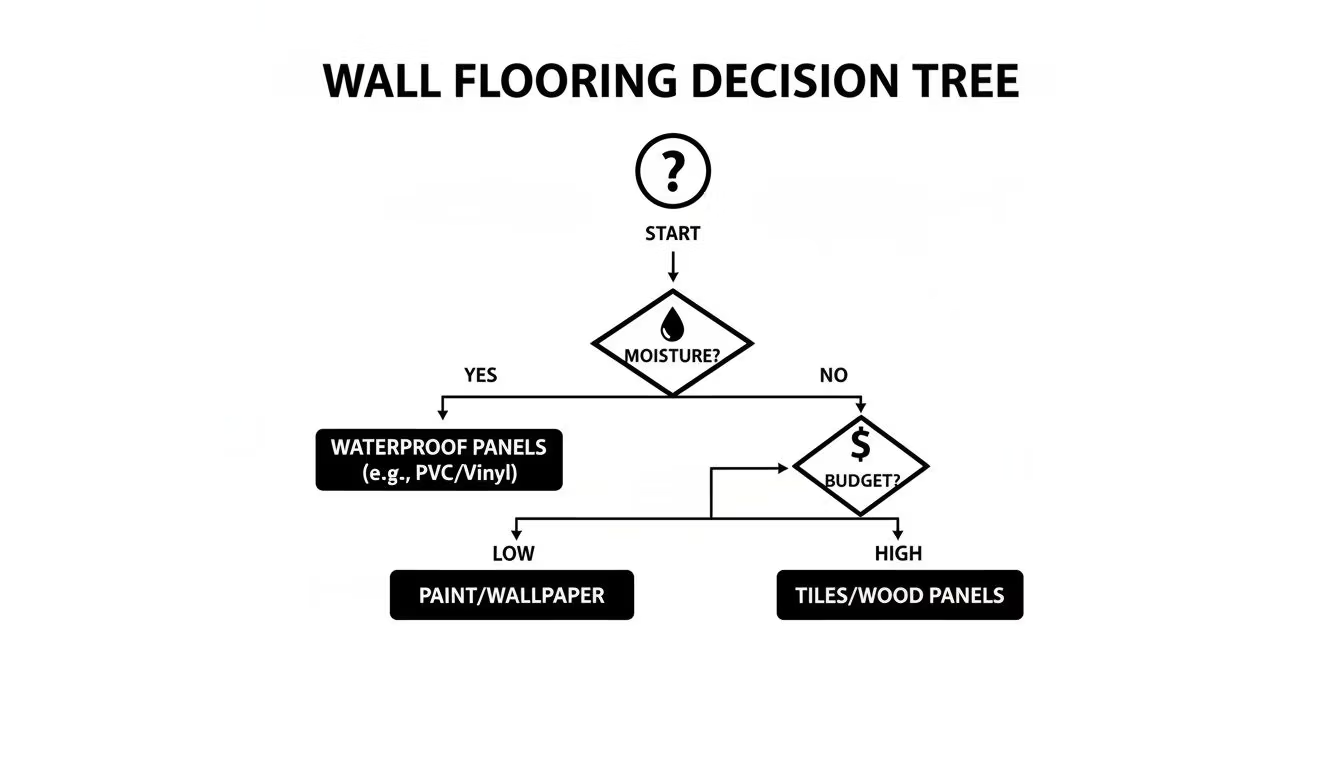
As you can see, a simple factor like moisture immediately points you toward waterproof materials like vinyl or tile. Budget, on the other hand, might guide you toward laminate. Thanks to our Low Price Promise and flexible financing options, even premium materials can fit within your budget. We believe in helping you bring your vision to life without compromise.
If you're looking for more inspiration on creating a cohesive look, check out our guide on the elements of a modern home.
Have a specific design question? Contact our design staff today or join our Love Your Home Club for expert tips delivered right to your inbox.
Installation Guide: DIY vs. Professional Help
You’ve found the perfect material for your feature wall, and the inspiration is flowing. That's the best part of any home project! Now for the next big decision: how to bring that vision to life.
One of the most common questions we hear from our friends and neighbors in Bellefontaine is whether to tackle the installation themselves or to bring in a professional. There's a special kind of pride that comes from a job well done with your own hands, but there’s also peace of mind in knowing the work is guaranteed to be perfect. The right answer really comes down to your own skills, timeline, and the complexity of your project.
The DIY Approach: What to Know Before You Start
For the handy homeowner, installing flooring on a wall can be an incredibly rewarding weekend project. With the right tools and a healthy dose of patience, you can absolutely achieve a fantastic result. The secret almost always lies in good preparation.
Before you even think about opening a box, get your wall ready. The surface must be clean, dry, and most importantly, perfectly flat. Any bumps, waves, or old texture will keep your planks from sitting flush, which can cause them to pop or buckle down the road. This step is non-negotiable if you want a finish that looks like it was done by a pro.
If you’re going the DIY route, here are a few tips from our nearly 80 years of experience:
- Measure Twice, Cut Once: This old saying is gospel for a reason. Lay out your pattern on the floor first to see how it looks and figure out your cuts to minimize waste.
- Start with a Level Line: Never assume your floor or ceiling is perfectly level. Use a good level to draw a starting line on the wall. This ensures your first row is dead straight, and everything that follows will be, too.
- Use the Right Tools: A quality miter saw for clean cuts, a stud finder to hit solid anchor points, and the exact adhesive specified for your material are your best friends.
When to Call in the Professionals
While the DIY approach has its merits, sometimes calling in a professional is the smartest move you can make. If you’re dealing with an uneven wall, a heavy material like solid hardwood, or you simply don’t have the time to do it right, our in-house service team is here to help. Think of it like our local furniture delivery—we handle all the heavy lifting so you can just enjoy the beautiful result.
Our team has the experience to see problems before they start, ensuring a flawless and secure installation every time. This commitment to local, reliable service is the bedrock of our family-owned business.
Hiring a professional isn't just about saving time; it's about guaranteeing a high-quality, lasting result. A pro ensures perfect cuts, secure adhesion, and beautifully finished edges, turning a good idea into a spectacular feature.
Worried about the cost? We get it. That’s why we always stand by our Low Price Promise. Plus, our flexible financing options can make hiring a professional fit comfortably within your budget. It’s all part of our mission to help you "Love Your Home."
Whether you're a weekend warrior or prefer to leave it to the experts, our team is here to support you. For more personalized guidance on your specific project, you can always connect with our experienced team through our design services and get advice tailored to your space.
How To Pair Furniture With Your New Accent Wall
An accent wall made from flooring is a showstopper, but it needs the right furniture to truly complete the look. This is where our "Love Your Home" philosophy really shines—it's not about just one wall, but creating a whole space that feels complete and personal to you.
Think of your new wall as the beautiful stage and your furniture as the main characters. They have to work together to tell a compelling story.
While putting flooring on a wall feels incredibly modern, it’s a design trick that’s been around for centuries. It stretches from the marble floors and walls of ancient Rome all the way to the ornate hardwood paneling of the Baroque era, which often used 2-foot oak planks. In fact, by the 1700s, this practice was standard in 80% of colonial homes, which just goes to show its timeless appeal.
Creating Balance with Texture and Color
The secret to pairing furniture with a textured wall is simple: balance. You never want your furniture and your wall to fight for the spotlight. The goal is for them to complement each other, creating a room that feels thoughtful and professionally designed.
Here’s how our design team approaches this in our showroom:
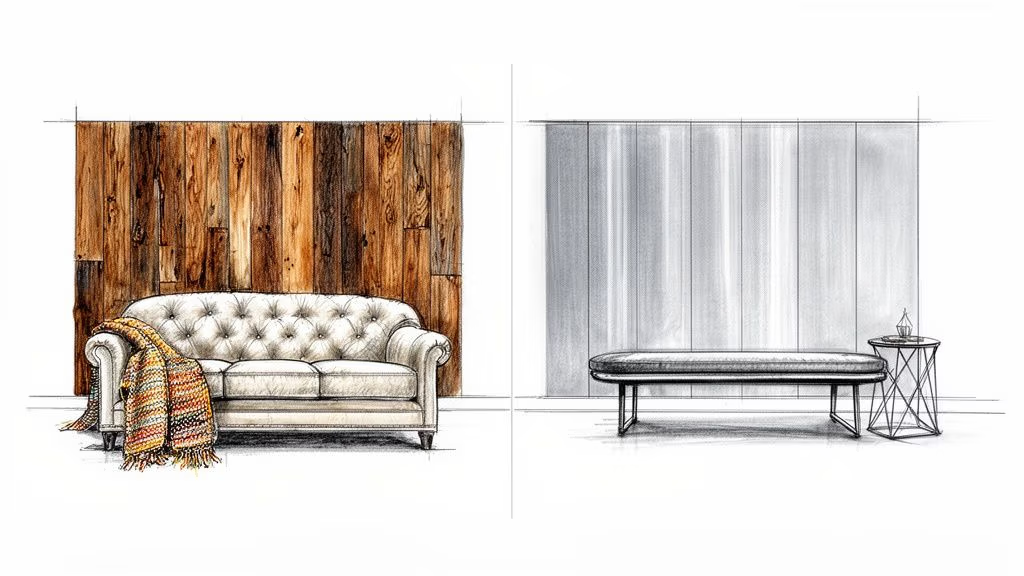
- For a Rustic Hardwood Wall: A wall with tons of character, like reclaimed wood, needs furniture that can hold its own. We’d point you toward a custom sofa from a quality maker like Smith Brothers of Berne, maybe upholstered in a rich, solid-colored fabric with plenty of texture, like a cozy chenille or a classic tweed.
- For a Sleek Vinyl or Laminate Wall: If your accent wall has a clean, modern finish, pair it with furniture that shares that streamlined feel. A beautiful sofa from Flexsteel with crisp lines and tailored upholstery would keep the room from feeling cluttered or visually chaotic.
This is exactly where our commitment to customization makes all the difference. We don't do "one size fits all." We're here to help you pick out the perfect fabric, finish, and silhouette to make your room feel perfectly yours.
The best designs often follow a simple rule: let one element be the hero. If your wall is bold and full of pattern, choose simpler furniture. If your furniture is the main event, let the wall be a quiet, supporting player.
Practical Tips for a Cohesive Room
Always start by thinking about the mood you want the room to have. Are you aiming for cozy and inviting, or sleek and modern? Your accent wall sets that initial tone, and your furniture choices should follow its lead.
If you’re looking for more ideas on striking the right note, be sure to check out our guide on how to create a perfectly balanced accent wall.
We know a project like this is an investment in your home's future. That’s why our Low Price Promise and flexible financing options are always here to help make your vision a reality.
Ready to find the perfect pieces to complete your space? Visit our showroom in Bellefontaine to see our custom options in person or browse our collections online to start your journey. Have a specific design question? Contact our design staff today or join our Love Your Home Club for expert tips delivered to your inbox.
Your Accent Wall Questions Answered
Whenever you’re about to dive into a new project, a few questions always pop up right at the end. That’s perfectly normal—it means you’re being thorough. We get these same questions all the time from our neighbors right here in Logan County, so think of this as a quick chat to clear things up and give you that final boost of confidence.
Can I Install Flooring on a Textured Wall?
For the best results, you’ll want to avoid installing flooring directly onto a heavily textured wall. That professional, seamless look you’re going for really depends on having a surface that's as smooth and flat as possible.
You might need to sand the texture down or, for a perfect finish, install a thin layer of backer board. Taking this extra step is what ensures the planks lay flat without any gaps and gives the adhesive a solid surface to bond to for a look that lasts.
How Do I Finish the Edges of the Wall?
Finishing the edges is what separates a DIY project from a high-end, custom installation. You've got a couple of great options here! You can use trim pieces that match the flooring, just as you would for a floor, to create a beautifully cohesive frame.
Another popular route is to go with a modern metal trim. This creates a clean, sharp edge that really defines the accent wall and gives it a crisp, contemporary feel.
A great design trick we love is to paint the trim to match the color of the adjoining walls. This helps the accent wall blend in perfectly, making it feel like an intentional, architectural feature of the room.
Is a Flooring Accent Wall Good for Resale Value?
It absolutely can be. When it's done well, a feature wall made from quality flooring becomes a fantastic selling point. It adds a custom, high-end feel that makes your home stand out and stick in a potential buyer’s memory.
To make sure it’s a smart investment, stick with a timeless material like classic hardwood or a versatile, neutral-toned LVP. This kind of special touch shows you truly "Love Your Home," and buyers will definitely notice.
Even a small project like this can make a big impact, and our flexible financing options make it easy to start anytime. We believe in getting you the best value, and that’s our Low Price Promise.
At Tanger's Furniture, we believe every part of your home should reflect your style.
Primary CTA: Visit our showroom in Bellefontaine to see our custom options in person or browse our collections online to start your journey.
Secondary CTA: Have a specific design question? Contact our design staff today or join our Love Your Home Club for expert tips delivered to your inbox.