
Pillow Top for Queen Bed: Your Complete Buying Guide


A couple in Bellefontaine may reach the same point after years in a familiar home. The queen mattress that worked when the children were small now feels tired, the firm support underneath is still appealing, but the shoulders and hips want more kindness. A pillow top for queen bed setups can sound like the obvious answer, yet the right choice depends on construction, height, body shape, sleep position, foundation, and how the mattress will be carried into the room.
For Logan County homeowners, the decision also includes practical questions. Will the existing queen frame work? Can the mattress turn through a stairway? Is a custom order more sensible than choosing a floor model? A no-pressure showroom visit gives couples a chance to test those details instead of ordering blindly and hoping the feel matches the description.
A Queen Bed Upgrade Worth Thinking Through
The couple lives off North Main and has owned the house long enough to remember when the primary bedroom served mostly as a place to sleep between family responsibilities. Their old mattress was purchased when the children were toddlers. Now the room is becoming a sanctuary again, and the replacement needs to feel comfortable without swallowing either sleeper in soft material.
The first question is simple: what does a pillow top change? It adds cushioning above the mattress's support system, so a firm coil or foam core can feel more forgiving at the shoulders, hips, and knees. It doesn't automatically make the entire mattress unsupportive. The result depends on the fill, the thickness, and how a sleeper settles.
Questions worth answering before ordering
A couple in this situation should consider:
- Sleep position: Does one person sleep mostly on a side with a sensitive shoulder while the other shifts between the back and side?
- Existing foundation: Is the current queen frame paired with a traditional box spring, a low-profile foundation, or an adjustable base?
- Room access: Can a delivery team move the mattress through the front door, hallway, staircase, and upper-level turn?
- Comfort preference: Does “plush” mean a gentle pressure-relieving surface, or a deep cradle that makes changing positions harder?
- Long-term value: Will the mattress serve one sleeper, two adults, or changing household needs?
A standard U.S. queen mattress measures 60 inches wide by 80 inches long, which equals 4,800 square inches of sleeping surface. It's the largest mainstream size below king and remains practical for many primary bedrooms, according to this queen mattress size guide.
Practical rule: Comfort should be tested with the support system underneath it, not judged by the showroom label alone.
At Tanger's showroom on Columbus Avenue, shoppers can compare a floor model with a custom-order possibility, ask about alternative fills, and consider whether delivery up a tight staircase will affect the final choice. Tanger's Furniture has served the area since 1946, with design experience dating to 1964. That heritage matters most when it supports patient questions, local delivery, in-house service requests, and a clear conversation about trade-offs.
What a Pillow Top Actually Is
A pillow top mattress has an additional cushioning layer sewn onto the top of the mattress. That comfort layer commonly uses polyfoam, memory foam, latex, wool, cotton, or fiberfill, and it's generally about 2 to 4 inches thick, as described in this pillow-top mattress overview.
A useful mental model is a two-part system:
- Support core: Coils or a substantial foam unit carry the sleeper's weight and help maintain alignment.
- Pillow top: The upper cushioning layer shapes the first contact, easing pressure and changing the surface feel.
The pillow top is meant to soften the initial sensation of a firm bed. A side sleeper may notice relief around the shoulder and hip, while a back sleeper may appreciate less sharp contact across the lower body. The underlying support still matters because a thick, soft crown can't correct a foundation or core that already lacks stability.
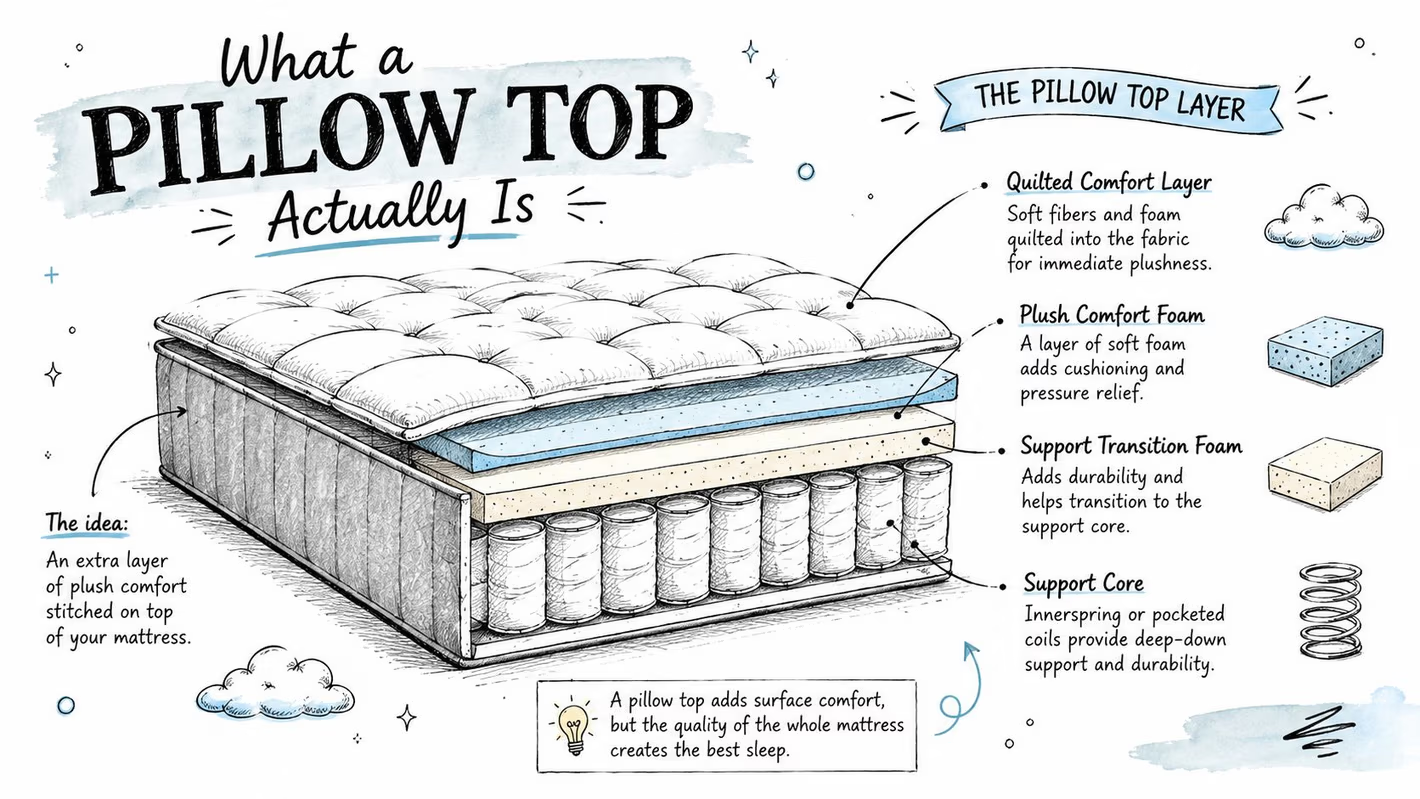
Built in, not simply placed on top
A sewn-on pillow top is part of the mattress. It isn't designed to be removed and replaced independently, so the quality of its fill matters as much as its visual height. A thicker pillow top isn't automatically better. Density, resilience, temperature behavior, and the sleeper's body position all affect whether the surface feels supportive or overly yielding.
A separate topper is different. It rests loosely on the mattress and can be removed, replaced, or used to adjust the feel later. A Euro top is also sewn into the mattress, but its padding sits flush with the edges, creating a cleaner, more squared profile.
For a queen bed, shoppers should treat the pillow top as a comfort decision, not a decorative feature. The stitched crown can look inviting, but the more important test is whether the sleeper can settle comfortably while still changing positions and getting adequate support.
Pillow Top vs Euro Top vs Mattress Topper
In a Bellefontaine showroom, three beds may look similar at first glance, yet each format answers a different need. A pillow top has a raised cushion sewn onto the mattress. A Euro top also uses integrated padding, but the material is tucked beneath the outer upholstery, giving the mattress a cleaner, squared edge. A standalone topper is a separate layer placed on an existing bed.
The first choice is whether you are replacing the mattress or adjusting the one you already own. A topper can suit a queen mattress that still provides dependable support but feels too firm. A built-in pillow top or Euro top fits a full mattress replacement when you want the comfort construction made into the bed from the beginning. Tanger's showroom lets Logan County shoppers compare these formats in person, while custom ordering and in-home delivery can make the final setup easier than ordering a queen pillow top without testing it.
| Feature | Pillow Top | Euro Top | Mattress Topper |
|---|---|---|---|
| Construction | Sewn-on raised comfort layer | Sewn-on comfort layer with flush edges | Separate piece placed above the mattress |
| Look | Soft, visibly crowned surface | Cleaner, squarer profile | Depends on the cover and fitted sheet |
| Feel | Often plush at first contact | More uniform and tailored | Can soften the existing mattress |
| Removal | Not designed to be removed | Not designed to be removed | Removable and replaceable |
| Fit | Built into the queen mattress | Built into the queen mattress | Must match the mattress surface |
| Best use | Full mattress replacement with added cushioning | Full replacement with a tailored feel | Adjusting an otherwise supportive mattress |
Matching the format to the situation
A pillow top may fit a sleeper who wants clear pressure relief and a softer first impression. A Euro top provides cushioning with less visible edge loft, which can give the queen mattress a more orderly profile. A topper offers the most flexibility because you can change it without replacing the mattress.
The difference is similar to choosing a built-in seat cushion versus adding a removable cushion to a chair. The built-in options become part of the mattress purchase. The topper remains a separate comfort layer, so it can be replaced when your preference changes. This choosing between mattress layers guide can help clarify that distinction. For a comparison with another foam construction, Tanger's pillow top versus memory foam guide offers useful context.
Pillow tops and Euro tops generally stay with the mattress for its useful life. A separate topper is easier to replace when its cushioning softens, but it may shift, bunch, or change the height of the bed. Testing each option at Tanger's Bellefontaine showroom helps reveal whether the surface feels comfortable while the support underneath remains suitable. The right format depends on whether the existing support core is worth keeping.
Choosing Fill Material, Thickness, and Firmness
The fill inside a queen pillow top determines much of its behavior. Two mattresses can have similar outer heights yet feel very different because one uses responsive latex, another uses dense memory foam, and another relies on fiberfill. Thickness adds another variable, but it shouldn't be considered alone.
How common fills behave
| Fill Material | Feel & Response | Typical Thickness | Best For | Watch-Out |
|---|---|---|---|---|
| High-resilience polyfoam | Balanced cushioning with moderate response | Often used across a range of builds | Budget-conscious shoppers wanting a cradle without excessive sink | Lower-quality foam can soften sooner |
| Memory foam | Close contouring and pressure relief | Often used in thinner or layered comfort sections | Side sleepers and couples wanting reduced movement across the surface | Dense foam may retain more warmth |
| Latex | Buoyant, responsive, and comparatively breathable | Used as a comfort layer or part of a layered build | Sleepers wanting easier movement and a longer-wearing surface | May feel less enveloping than memory foam |
| Wool or cotton | Breathable, temperature-neutral cushioning | Usually part of a quilted comfort construction | Sleepers who prefer natural-feeling surface materials | May provide less deep contouring |
| Polyester fiberfill | Soft initial hand and a familiar plush feel | Common in budget-oriented crowns | Shoppers prioritizing a gentle, low-cost surface | Can compress faster under concentrated use |
The controlled topper research linked through ergonomics research on topper thickness and firmness found that a thinner, softer topper around 30 mm reduced body pressure and temperature and improved spinal alignment compared with thicker options. The same research reported higher biceps femoris activity, which illustrates the central trade-off: more cushioning isn't always the same as better muscular support.
Pair thickness with the sleeper
A 2-inch comfort crown can suit back and stomach sleepers who want a gentle softening rather than a deep cradle. A 3-inch layer is a versatile middle choice for many side sleepers. Four inches or more can create deeper contouring for side sleepers and heavier builds, but the support core must be strong enough to prevent a bottomed-out feeling.
Firmness should follow sleep position:
- Medium: Useful for combination sleepers who change positions.
- Medium-plush: Often suits strict side sleepers under 200 pounds who need more shoulder and hip cushioning.
- Firm or medium-firm: A sensible starting point for stomach sleepers and people sensitive to lower-back discomfort.
Couples also need to discuss movement. Memory foam can reduce motion transfer, while latex and resilient polyfoam make position changes easier. On an adjustable base, the pillow top needs enough flexibility to bend without resisting the base's movement. A complete mattress firmness guide can help shoppers put showroom labels into practical terms.
Fitting a Pillow Top to Your Queen Bed and Frame
A queen pillow top can fit an existing queen setup, but the comfort layer changes the bed's height. The sleeping footprint stays 60 by 80 inches, so the mattress still occupies the same shoulder-to-shoulder and head-to-foot space. Use this queen mattress size and dimensions guide to verify the space available in your room and the frame's interior measurements.
A topper or replacement mattress should match the queen base area. Product listings may describe a queen model as 60 by 80 by 4 inches, with the final measurement showing added thickness rather than extra floor space. Confirm the product dimensions before ordering, especially if the frame has tight side rails.
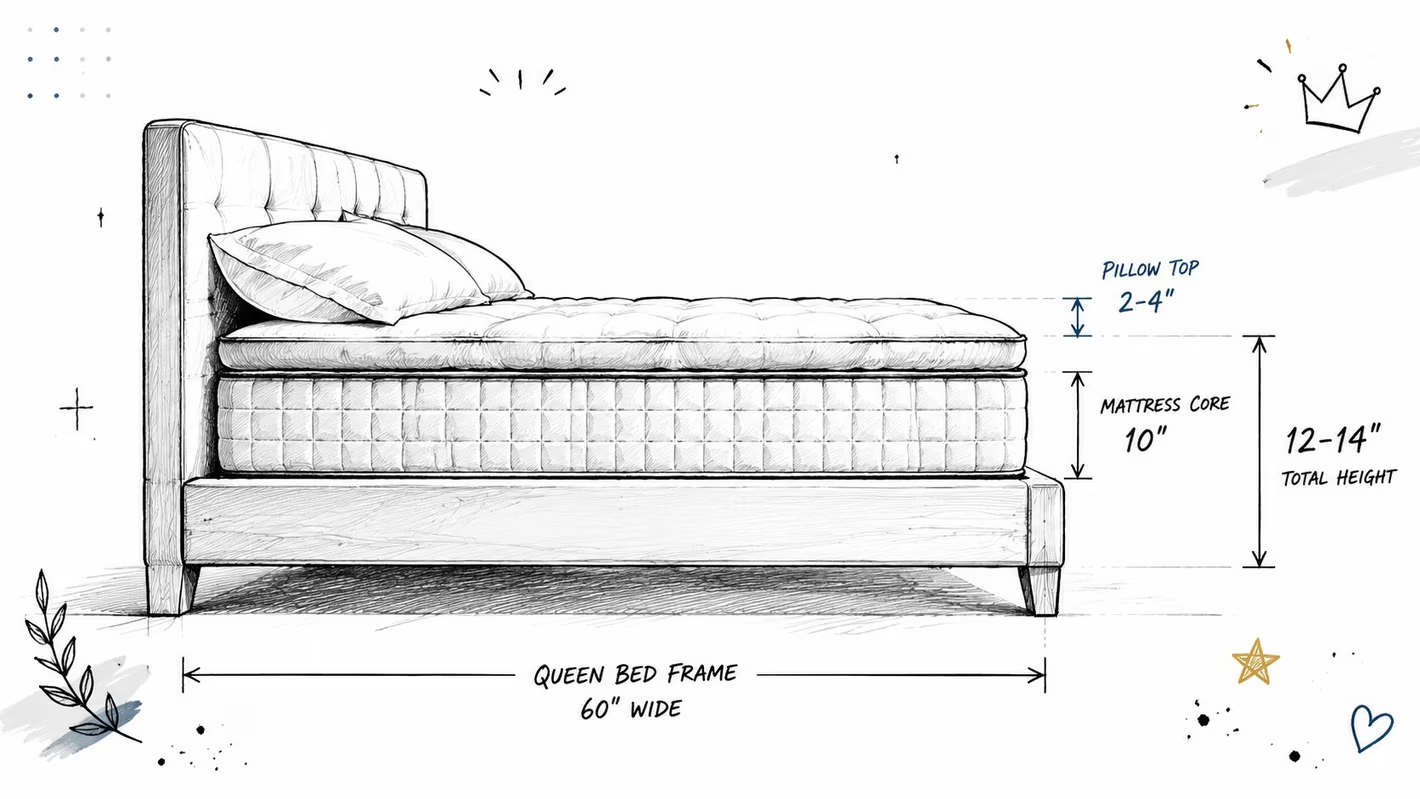
Check height before bedding and delivery
Measure from the foundation to the top of the pillow top. Added loft may require fitted sheets with deeper pockets. A sheet labeled queen can still fit poorly if its pocket depth does not cover the full mattress height.
The combined mattress and foundation height also affects the room. A tall setup may place your pillows against the wall or bring the sleeping surface above the headboard rail. A lower foundation can restore better proportions and make sitting down or standing up feel more natural. Use a low-profile box spring only when the mattress maker approves that support.
Inspect the frame and access route
A foam-heavy pillow top needs steady support underneath. Slats spaced 3 inches or less apart help reduce sagging between supports. Check the center support, side rails, under-bed drawer clearance, and any requirements for an adjustable base.
Bellefontaine delivery planning deserves the same attention as the mattress choice. Measure the entry door, hallway turns, stairs, landings, and ceiling clearance, particularly in a two-story home. Tanger's showroom lets shoppers test the height and feel before a custom order, while in-home delivery handles the lifting. Accurate access measurements help the crew bring the queen bed into the room rather than stopping at the doorway.
Durability Tradeoffs for Couples and Heavier Sleepers
A pillow top can feel inviting during a short showroom test, then compress sooner under nightly shared use. Soft fiberfill and lower-density foam generally show impressions earlier than latex or denser constructions. Service life depends on the materials, support core, body weight, care, and how often the queen mattress is used. A pillow-top durability guide offers a useful overview of these construction differences.
For two adults, wear concentrates where each person usually sleeps. The middle area may also receive extra pressure when partners sleep close together. The right question is whether the comfort layers can preserve their cushioning while the support core continues to hold the body in a steady position.
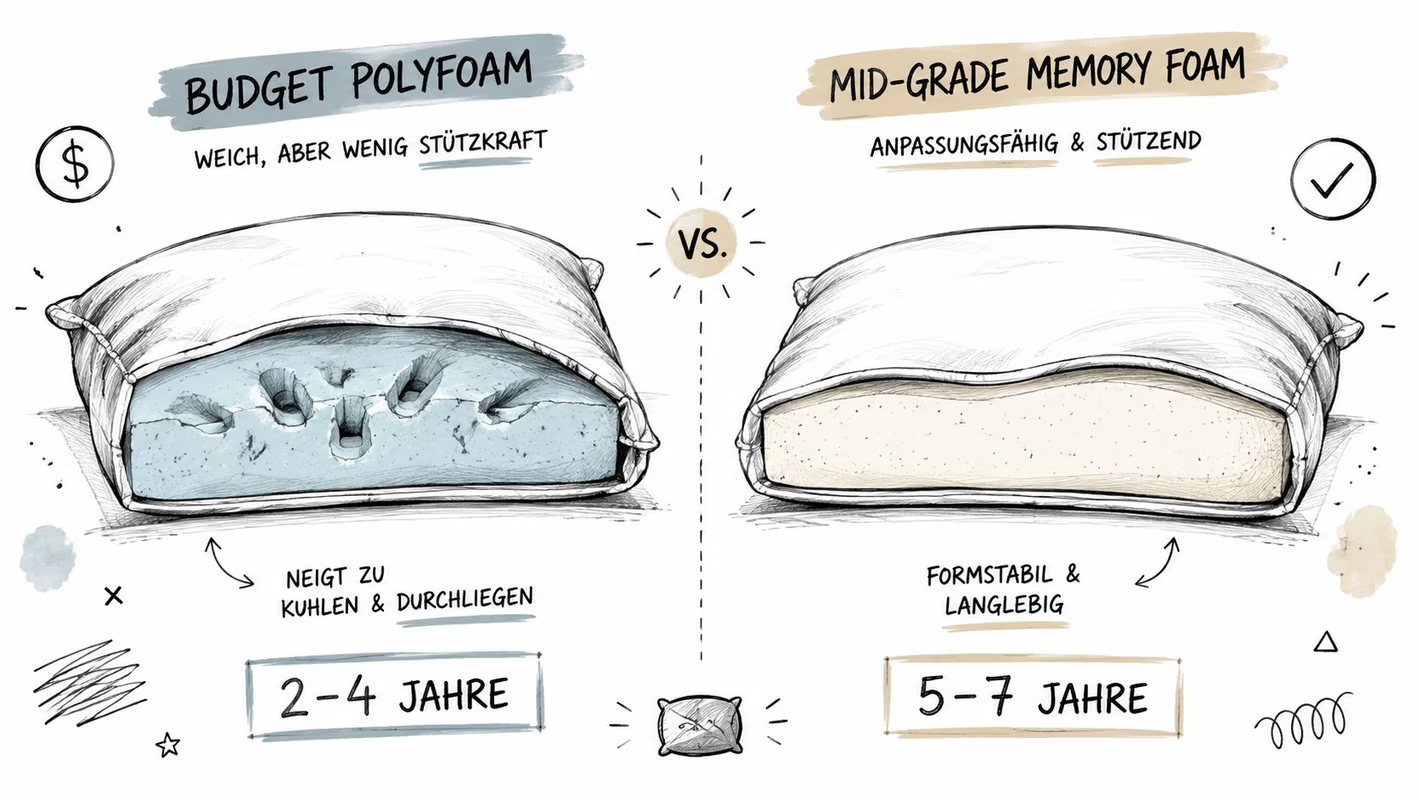
What to ask about construction
Ask the showroom advisor to explain what sits below the fabric cover. A queen pillow top should be judged as a complete stack of materials, not by its surface softness alone.
- Foam density: Is the comfort foam suited to repeated use by two sleepers?
- Core reinforcement: Is a denser support layer positioned beneath the pillow top?
- Load distribution: Does the quilting spread pressure across the surface?
- Edge support: Can the perimeter stay stable when someone sits down?
- Motion behavior: Will position changes disturb the other sleeper?
Heavier sleepers should examine the softest fiberfill crowns carefully. Higher-density fill, latex, or a Euro top with a denser foam cap may resist early compression better. Couples should test the mattress together. One person's comfortable sink may feel unstable to the other, especially when both partners use the same queen surface.
In Bellefontaine, Tanger's showroom gives couples a chance to lie side by side, compare firmness, and discuss custom-order options before choosing. In-home delivery can also make the final setup easier than ordering a queen pillow top without testing it first.
Sit on the edge, change positions, and lie side by side. A soft first impression is only one part of the decision.
Care, Rotation, and Longevity Tips
The pillow top is the mattress's most exposed comfort area. It receives body heat, moisture, oils, and everyday contact, so care should focus on protecting the quilted surface without crushing the fill.
Rotation helps distribute wear. A queen mattress can be turned 180 degrees every two to three months, allowing the head and foot zones to share the load. At the six-month mark, some mattress designs may also benefit from a top-to-bottom adjustment, but only if the manufacturer permits that movement. Many modern pillow tops aren't designed to be flipped over.
A simple maintenance routine
- Vacuum monthly: Use an upholstery attachment and move gently across the surface.
- Blot spills: Use cool water and mild detergent, then remove moisture without soaking the cover.
- Protect the surface: Choose a breathable, waterproof protector that doesn't trap excessive heat.
- Check the warranty: Review how the manufacturer defines covered impressions and which exclusions apply.
- Support the base: Keep the foundation and frame stable so the comfort layer doesn't carry preventable strain.
A practical resource on caring for bedding in Singapore offers broader cleaning principles for bedding and mattress covers. For queen shoppers considering protection before delivery, Tanger's guide to the hidden benefits of a mattress protector provides a useful companion resource.
Many pillow-top warranties run 10 years, but prorated terms may exclude visible impressions below a specified depth. The warranty should be read before delivery, not after a problem appears. When the original fill begins to soften, a thin topper may refresh the surface for a while, although it won't restore a tired support core.
A Bellefontaine Buyer's Checklist and Next Steps
A queen pillow-top purchase is easier to judge when you prepare before visiting the showroom. Measure the mattress space, frame, foundation, doorways, hallways, stair turns, landings, and ceiling angles. A queen mattress measures 60 by 80 inches, yet the route into the bedroom often determines whether delivery will be simple or difficult.
Bring useful details to the appointment
Write down:
- Room measurements: Include doorway widths, hallway turns, stair width, ceiling height, and clearance around the bed.
- Foundation details: Identify a box spring, low-profile foundation, platform frame, or adjustable base.
- Sleep habits: Note each sleeper's usual position, shoulder or hip pressure, heat preference, and sensitivity to movement.
- Bedding needs: Bring a familiar pillow and check the pocket depth of your fitted sheets.
- Delivery concerns: Mention upstairs rooms, narrow stairs, tight corners, and under-bed storage.
Testing should resemble sleeping at home. Wear comfortable clothing, use a familiar pillow, and lie in your usual position long enough to notice pressure at the shoulders and hips. Pay attention to whether your lower back feels supported and whether movement from a partner travels across the surface. Couples can compare firmness levels beside each other instead of relying on labels such as “plush” or “luxury firm.”
A showroom test answers questions that an online description cannot. You can feel how the pillow top responds, confirm that the queen dimensions suit the frame, and discuss how the mattress will enter the home before placing the order.
Tanger's custom-order program gives Bellefontaine and Logan County shoppers a way to ask about alternative fills, split firmness for couples, fabric choices, and a matching foundation height. First-time buyers can also use the complete mattress selection guide to organize comfort, support, size, and setup priorities before visiting.
Plan the local purchase
Ask about in-home delivery to Bellefontaine, Huntsville, Russells Point, and surrounding Logan County addresses. Confirm what setup includes, how the old mattress will be handled, and whom to contact if a question arises after installation. Clear the old bedding and mattress area before delivery so the team has a safe path.
Before the delivery date, confirm the order details and foundation compatibility. On arrival, photograph the serial label and keep the warranty paperwork with your purchase records. If the household is comparing costs, ask Tanger about available financing, the Low Price Promise, and the Love Your Home Club.
The right pillow top is the one that fits the queen frame, the sleepers, the staircase, the budget, and the household's comfort preferences. Tanger's Furniture offers queen pillow-top options, showroom testing, custom-order guidance, local in-home delivery, and service support for Bellefontaine and Logan County households. Visit Tanger's Furniture to compare options in person or browse collections online.