How to Budget for Furniture Without Overspending

A new home can feel exciting right up until the first empty room starts echoing. A renter may have a mattress but no sofa, while a first-time homeowner may need living room, bedroom, dining, and office pieces at once. The pressure to make everything feel finished can turn a thoughtful purchase into a strained monthly payment.
A calmer approach begins with a spending ceiling, then divides that ceiling by room, priority, timing, and total ownership cost. Furniture should support rent, utilities, debt payments, savings, and everyday life, not compete with them. The right plan can also leave space for comfort, customization, and the local service that helps furniture arrive safely and fit the home.
Starting With a Realistic Furniture Budget
You move into a new place with a mattress, a folding chair, and several empty rooms. A quick shopping trip can turn those gaps into a sofa, bed frame, dining set, artwork, and storage purchases before you know the total. Set a spending ceiling first, then decide which rooms need attention now and which can wait.
Open a notebook or spreadsheet and record four figures:
- Available savings: Write down the cash currently set aside for home projects.
- Emergency protection: Keep the reserve needed for repairs, health needs, or income changes outside the furniture plan.
- Monthly capacity: Calculate what remains after rent or mortgage payments, utilities, insurance, food, transportation, and debt payments.
- Furniture range: Choose a lower and upper limit instead of committing to one exact total.
For a full home, one planning benchmark is 10% to 25% of the home's purchase price for furniture and furnishings. A $300,000 home therefore suggests a reserve of about $30,000 to $75,000 when the household starts from scratch, as outlined in this furniture budget guide. Treat that range as a way to understand the possible scale of furnishing several rooms, not as a required target.

Build a phased plan
Divide the ceiling into three working amounts:
- Move-in purchases: Items needed for sleep, seating, eating, or basic storage.
- Setup reserve: Money held for delivery, assembly, placement, and other arrival costs.
- Future purchases: Pieces that can wait until the household understands how each room is used.
A renter with $1,500 might choose one comfortable sofa or sleeper, a compact table, and basic storage for a studio living area. A homeowner with $8,000 might furnish only the main bedroom and living area, leaving decorative upgrades for later. Both plans protect cash flow when the first phase matches the household's actual needs.
The phased approach also clarifies long-term value. One durable custom piece may cost more at the start but remain useful through multiple moves or room changes. Several lower-cost replacements can appear cheaper while creating repeated delivery, assembly, and disposal costs. Compare the expected service life, construction, fit, and care needs before choosing.
Use smart shopping for home style to keep the design personal while purchases happen over time. Local households can also review affordable quality furniture when comparing durable foundations with later decorative buys. Reserve a small amount for maintenance and customization too, especially when a piece must fit an unusual room or serve more than one purpose.
Choosing What Matters Most
A renter moving into a studio may need a bed, a sofa, and a small dining surface before anything decorative. A first-time homeowner may focus on bedroom and living room foundations, while an established homeowner may replace one worn anchor piece instead of furnishing every room. The right priority depends on daily use, available cash, and how long the household expects to stay.
Assign every purchase a tier
Use three tiers to give each purchase a job and a place in the timeline. Essential pieces support daily living, high-use pieces improve comfort and function, and aspirational pieces complete the room's appearance but can wait.
Essential items often include a bed, mattress, primary sofa, dining seating, or another piece used constantly. A supportive mattress and one reliable sofa may serve a renter better than a complete matching suite. A homeowner who works from home may place a desk and chair ahead of decorative shelving.
High-use furniture fills practical gaps. Coffee tables, nightstands, desks, storage units, and media consoles can make a room easier to use, although some households can postpone them. Aspirational items include accent chairs, statement lighting, decorative shelving, and other pieces selected mainly for visual character.
Record each item on a short worksheet:
- Name the piece.
- Mark its tier.
- Write the target price range.
- Record the room and intended use.
- Choose a purchase window.
- Add delivery, setup, and care considerations.
| Housing Stage | Essential Tier | High-Use Tier | Aspirational Tier |
|---|---|---|---|
| Renter or first apartment | Mattress, bed, one sofa, basic dining seating | Nightstand, compact storage, coffee table, desk | Accent chair, decorative shelving, statement lamp |
| First-time homeowner | Bedroom foundation, primary sofa, dining table and chairs | Dresser, media storage, home-office desk, nightstands | Sectional upgrade, display cabinet, art-focused lighting |
| Established homeowner | Replacement for worn or unsafe furniture | Better storage, ergonomic work area, improved guest seating | Custom anchor piece, occasional chairs, curated décor |
Match quality to use
Put more attention into the piece that receives the most daily use. A household that hosts regularly may prefer a durable sofa and dining seating over decorative furniture. A remote worker may shift the high-use tier toward a supportive office chair, a correctly sized desk, and storage that keeps work materials contained.
A guide to multifunctional furniture can help evaluate pieces that serve several purposes. A sleeper sofa, storage ottoman, or expandable table may reduce immediate purchases, provided it works comfortably for the people using it and fits the room.
Compare one durable custom piece with several lower-cost replacements by considering service life, construction, fit, and care needs. A higher starting cost can make sense when the piece remains useful through moves or room changes. Lower-cost replacements may create repeated delivery, assembly, and disposal expenses.
Practical rule: A lower price is not a saving if the piece fails its daily job and needs replacement before the household is ready.
Building a Room-by-Room Worksheet
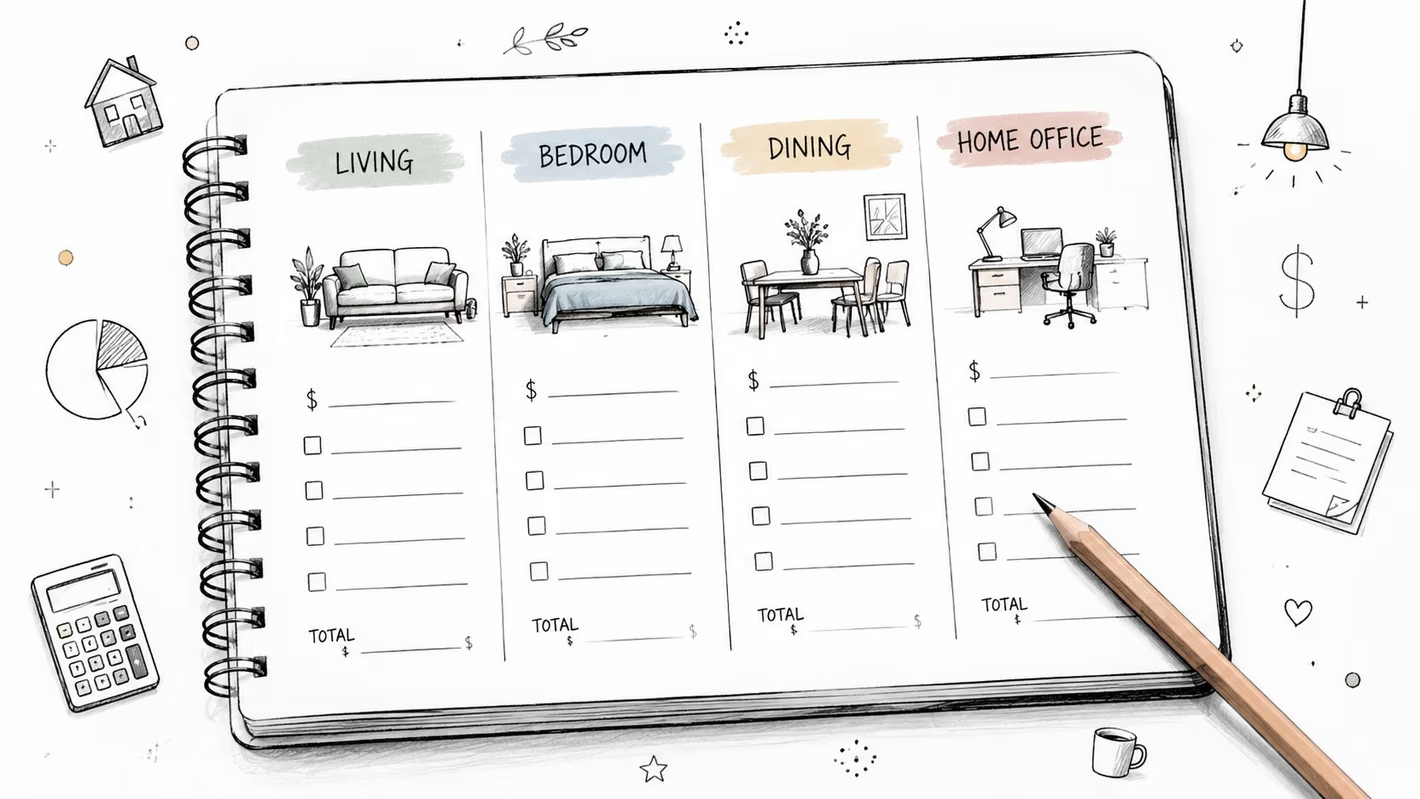
A single grand total hides the decisions that make a furniture plan succeed. A room-by-room worksheet gives each space a limit, identifies missing essentials, and makes it easier to pause when one purchase starts consuming the entire project budget.
A useful starting allocation for four spaces is:
- Living room, 35%: Sofa, coffee table, TV stand or media storage, occasional seating.
- Bedroom, 30%: Mattress, bed frame, nightstands, dresser.
- Dining area, 20%: Table, chairs, buffet or other storage.
- Home office, 15%: Desk, chair, shelving, filing or equipment storage.
These are planning proportions, not rules. A household without a dining room can move that amount toward the bedroom or living room. A remote worker may need to increase the office allocation, while a renter furnishing only a studio may place nearly everything into one combined living and sleeping area.
A simple worksheet
For each room, create five columns:
| Room | Item | Priority | Target Range | Full Cost |
|---|---|---|---|---|
| Living | Sofa | Essential | Household choice | Price plus project costs |
| Bedroom | Mattress and foundation | Essential | Household choice | Price plus project costs |
| Dining | Table and chairs | High-use | Household choice | Price plus project costs |
| Office | Desk and chair | High-use | Household choice | Price plus project costs |
The full cost column should include delivery, setup, access needs, haul-away, protection, and any service plan. Readers comparing dimensions can use this furniture measuring guide before adding a piece to the worksheet.
Two household examples
A renter with a $1,500 limit for a studio living area might assign most of the fund to one sofa, then reserve smaller amounts for a compact table, storage, and delivery. The renter may skip an accent chair and decorative shelving until savings recover. A mattress could remain a separate priority if the sleeping area isn't already furnished.
A homeowner with an $8,000 plan across four rooms could use the starting allocation as a guide:
| Room | Starting Share | Planning Amount |
|---|---|---|
| Living | 35% | $2,800 |
| Bedroom | 30% | $2,400 |
| Dining | 20% | $1,600 |
| Office | 15% | $1,200 |
The homeowner might redirect some office funds to the bedroom if work happens elsewhere, or move dining funds toward a stronger sofa if the living room receives daily use. The worksheet should remain flexible, but every change should be visible.
Furniture spending also works better as a phased capital plan than as a rush to fill every room. Current consumer behavior reflects that timing issue. A 2025 home-purchase spending report describes households delaying large purchases while directing more money toward repairs, upkeep, smaller décor, and essentials. That pattern supports a practical choice: buy what makes the home function now, then fund the rest deliberately.
Comparing Custom and Ready-to-Order Furniture
A renter moving into a studio may need a sofa immediately, while a homeowner planning to stay for years may care more about exact fit and lasting comfort. These situations call for different purchasing paths. Compare the full use cycle, not only the price shown on the tag.
Custom furniture fits rooms, access routes, comfort preferences, fabrics, finishes, and configurations more closely. A custom sofa or sectional can be planned around an Ohio home's dimensions, doorway, and traffic flow. A mattress choice can also reflect how someone sleeps instead of relying on a standard assumption. The added planning and upfront cost make more sense when the piece will receive heavy use for years.
Ready-to-order furniture suits renters, temporary rooms, and households facing a move-in deadline. Standard sizes can simplify the decision and shorten the wait. Confirm the measurements, construction details, delivery timing, and warranty terms before ordering. A lower starting price does not solve a poor fit or weak construction.
Phased lower-cost purchases keep cash available for current needs and let a household learn how a room functions. Buy the sofa or bed first, then add storage, occasional seating, or decorative pieces after the room has been used. This approach reduces pressure, although repeated replacements can cost more than one durable purchase.
| Factor | Custom Furniture | Ready-to-Order | Phased Lower-Cost |
|---|---|---|---|
| Fit | Tailored to room, doorway, and layout | Available in standard sizes | Chosen around immediate limits |
| Timing | Requires consultation and planning | Often supports faster move-in | Spreads decisions across time |
| Personalization | Fabrics, finishes, and configurations can vary | Limited to listed options | Personalization can happen later |
| Long-term value | Strong when used heavily for years | Practical for temporary or standard needs | Useful when cash flow is the main constraint |
| Main risk | Higher upfront commitment | May not solve unusual fit needs | Replacement and mismatch costs |
Compare the comfort lifecycle
Review the frame, fabric durability, warranty coverage, repair options, and expected use. A durable custom sofa may cost less over its useful life than several budget replacements, provided the first purchase does not interfere with rent, repairs, or other household obligations. Write both choices into the worksheet: one line for the initial purchase and another for likely replacement or repair needs.
Tanger's Furniture offers a consultation-based custom process for selected pieces from Smith Brothers of Berne and Flexsteel. Shoppers can review fabrics, finishes, and configurations with design staff serving the area since 1964, then confirm whether the piece suits the intended room before ordering. The custom furniture guide explains the process in accessible terms.
A homeowner who expects to stay put may favor one well-fitted, durable sofa. A renter expecting another move may choose a standard piece that preserves flexibility. A family managing repairs, school expenses, or uneven monthly income may phase purchases instead. The sound choice protects fit, comfort, and cash flow together.
Accounting for Delivery Setup and Maintenance
A sofa may fit the finished room and still fail at the front door. A realistic ownership estimate therefore includes delivery, in-home setup, stair carries, old-furniture removal, packaging, and access conditions such as narrow doorways, elevators, tight turns, or an upstairs room. These costs belong in the worksheet before the order is approved.
Build the project-cost line
Record these items beside every major purchase:
- Delivery: Confirm the service area, scheduling window, and any distance-related charge.
- Setup: Ask whether assembly, placement, leveling, and packaging removal are included.
- Access: Measure doors, halls, stairways, elevators, and turns. A second-floor Ohio delivery may require additional crew time.
- Haul-away: Price removal of an old sofa, mattress, bed frame, or other large item.
- Protection: Allow for fabric protection, mattress foundations, wood care, replacement cushions, or other upkeep.
Use a planning reserve of 10% to 15% of the furniture budget for delivery and project costs, then replace that allowance with a written quote. The listed price is only one line. White-glove delivery, setup, access handling, and maintenance can change the amount needed to complete the purchase.

Plan for the building, not just the room
A renter in a walk-up should confirm the packaged dimensions before moving day. A sofa that fits the finished room may not pass through a narrow stairwell while boxed or wrapped. A homeowner furnishing an upstairs bedroom should discuss the route before scheduling delivery, especially where elevators, sharp turns, or limited parking could affect the work.
If assembly requires a separate provider, TLC Moving & Storage furniture assembly can help clarify labor and setup planning. Decide in advance who will carry, assemble, place, level, and remove packaging. That prevents an unfinished setup from becoming an unplanned expense.
Maintenance belongs on the same worksheet. Fabric protection may help with routine wear, a suitable foundation supports mattress performance, and wood conditioner protects certain finishes. Replacement cushions can extend the usable life of upholstered furniture. For a phased plan, reserve maintenance funds for the pieces already purchased, while leaving future-buy money separate from current delivery and setup costs.
Service still matters after arrival. A local furniture provider with an in-house service request process can give the household a clear way to report an issue or request maintenance rather than leaving the problem unresolved.
Ownership check: Before approving an order, ask what the household will pay to receive, place, protect, maintain, and eventually service the piece.
Using Financing and Value Promises Wisely
A monthly payment can make a large purchase easier to manage, but it can also hide an order that exceeds the household's budget. Start with the room-by-room worksheet. Use financing for a planned priority, not for an aspirational upgrade added at checkout.
Use this five-step check:
- Choose the priority: Select an essential sofa, mattress, bedroom foundation, or office setup already listed on the worksheet.
- Calculate the full project cost: Include the item, delivery, setup, access requirements, and care.
- Test the monthly payment: Compare it with the amount left after rent or mortgage, utilities, food, transportation, and other fixed obligations.
- Read the terms: Check the repayment schedule, minimum payment, promotional period, down payment, and the result if the balance is not cleared as required.
- Limit financed purchases: Keep later rooms on the future-buy list instead of adding several small payments.
Promotional financing follows the agreement, not the headline. Some interest-free programs require purchase thresholds, such as 0% equal-pay financing for 36 months on purchases of $3,999 or more or 48 months on furniture purchases of $7,499 or more, along with a 10% minimum down payment. Review the actual terms and confirm whether the promotional balance must be paid in full by a specific deadline. Furniture financing guidance can help shoppers identify questions to ask before signing.
A phased plan can make the comparison clearer. One household might finance a durable custom sofa for the main living room, then pay cash for a ready-to-order dining set that fits the current room allocation. Compare the custom piece with the likely cost of replacing several lower-cost sofas over time. The custom option only earns its place if its construction, comfort, expected use, and payment fit the long-term plan.
Tanger's Furniture offers payment options for different projects and a Low Price Promise intended to address a lower price for the same item elsewhere. Ask showroom staff to model the item, payment, and delivery together. Keep the Love Your Home Club and any service details in the same household records, so the financing decision remains connected to ownership rather than treated as a separate transaction.
Putting Your Furniture Plan Into Action
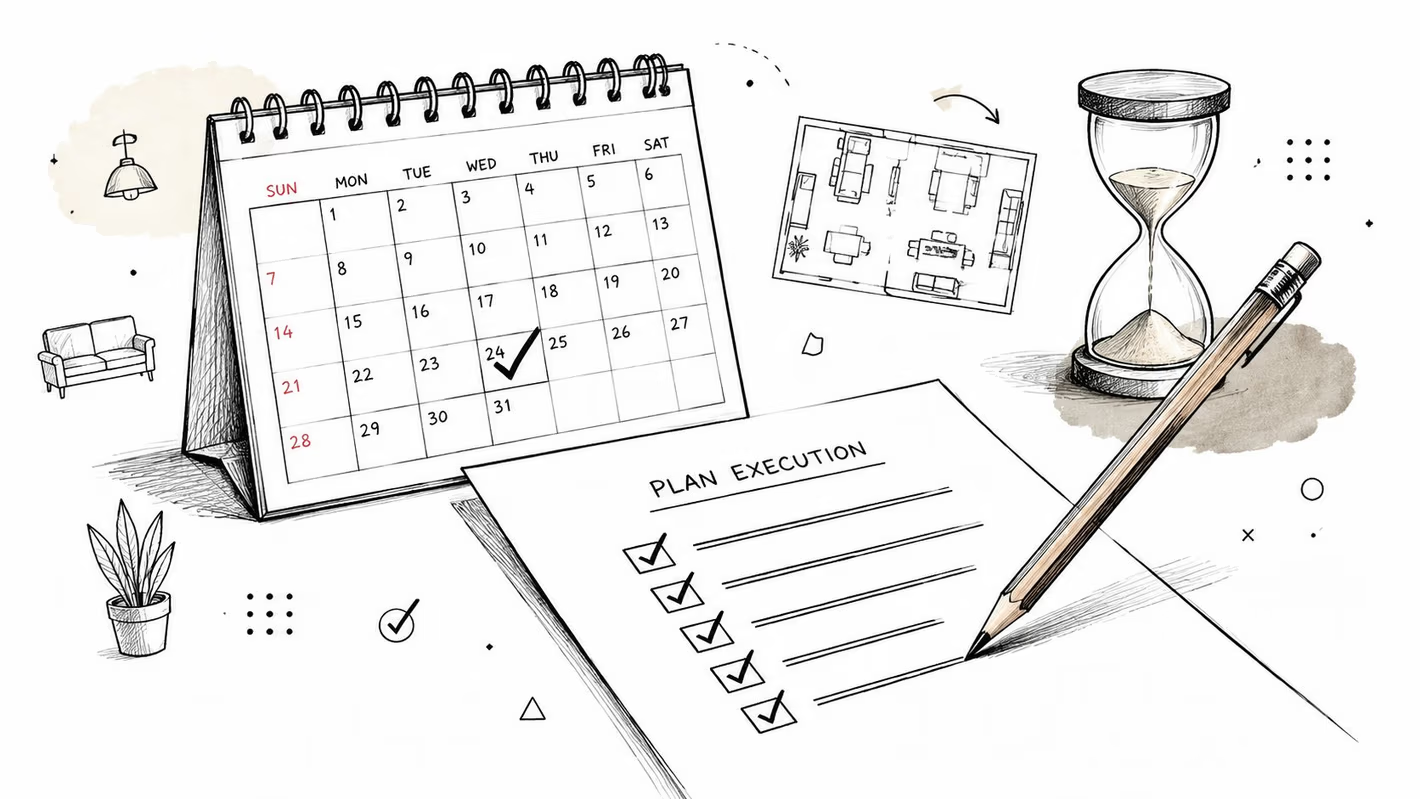
A furniture budget becomes useful when it turns into dates, decisions, and documents. The final plan should show what gets purchased first, what waits, how each piece enters the home, and which payment method protects monthly cash flow.
Create a phased buying schedule
During the next 30 days, confirm the spending ceiling, measure rooms and access points, and mark each worksheet item as essential, high-use, or aspirational. Book a showroom visit or virtual consultation for pieces that require custom sizing, fabric selection, or layout review. A Bellefontaine showroom visit can also help a household compare comfort in person instead of relying only on photographs.
During the next 60 days, purchase the pieces required for sleeping, seating, eating, or working. Confirm delivery windows against the move-in date, renovation schedule, elevator availability, and any stair or hallway concerns. Review financing terms before signing, and make sure the financed amount reflects the worksheet rather than a last-minute upgrade.
During the next 90 days, evaluate how the rooms function. Add storage or occasional furniture only after the household understands where clutter, traffic, and comfort problems occur. Keep receipts, warranty documents, fabric information, delivery records, service contacts, and Love Your Home Club membership details together for future reference.
Keep the worksheet alive
The plan shouldn't disappear after the first order. Update the remaining balance when a delivery quote changes, record what has been purchased, and move savings toward the next priority. A household may decide that one durable custom sofa matters more than several decorative additions, while another may prefer flexible ready-to-order pieces during a rental period.
Business owners can use the same discipline for professional spaces. Office planning guidance recommends starting with current occupancy, projected growth, an existing layout drawing or CAD file, and a formal furniture budget before selecting pieces. It also calls for evaluating whether to purchase, lease, repurpose, or mix existing and new furniture, as outlined in this office move planning checklist. Tanger's Commercial Office division can support space planning, CAD drawings, executive offices, cubicles, task seating, conference rooms, and waiting areas for small-to-medium projects.
For residential shoppers, local delivery and in-house service requests keep the process practical after the sale. For families watching every dollar, the Low Price Promise and flexible payment options can reduce uncertainty when used alongside a written ceiling. For design-focused homeowners, Smith Brothers, Flexsteel, custom sofas Ohio shoppers can configure, mattresses, and even durable Speed Queen laundry can be considered as part of a broader plan for loving the home.
Visit Tanger's Furniture to review living, bedroom, dining, mattress, Speed Queen laundry, and Commercial Office solutions, including custom options that can be planned around the household's budget. Visit the showroom in Bellefontaine to see custom options in person or browse the collections online to start the journey, then contact the design staff or join the Love Your Home Club for expert tips and exclusive offers.