
7 Above tv decorating ideas You Should Know


You’re probably looking at that wall above the television and thinking the same thing many homeowners do. It feels empty, awkward, or unfinished, but you also don’t want to hang something that fights the screen or makes the room feel crowded. That tension is why above tv decorating ideas matter so much in real homes.
The challenge is common. A 2024 interior design analysis citing Houzz says about 42% of homeowners regret the disorganized look of the space above their TVs. That makes sense. The TV wall often becomes the visual center of a living room, yet it’s one of the easiest places to ignore until the room still feels “off.”
The good news is that you don’t need a huge remodel to fix it. You need proportion, a little restraint, and decor that fits how your room works.
At Tanger’s Furniture, that practical approach has guided local families since 1946, with design help available since 1964. Whether you’re furnishing a first home in Bellefontaine, refreshing a rental, or planning a polished lounge for a business through Commercial Office, the same principle applies. The space above your TV should feel intentional, not accidental.
1. Statement Wall Art Gallery
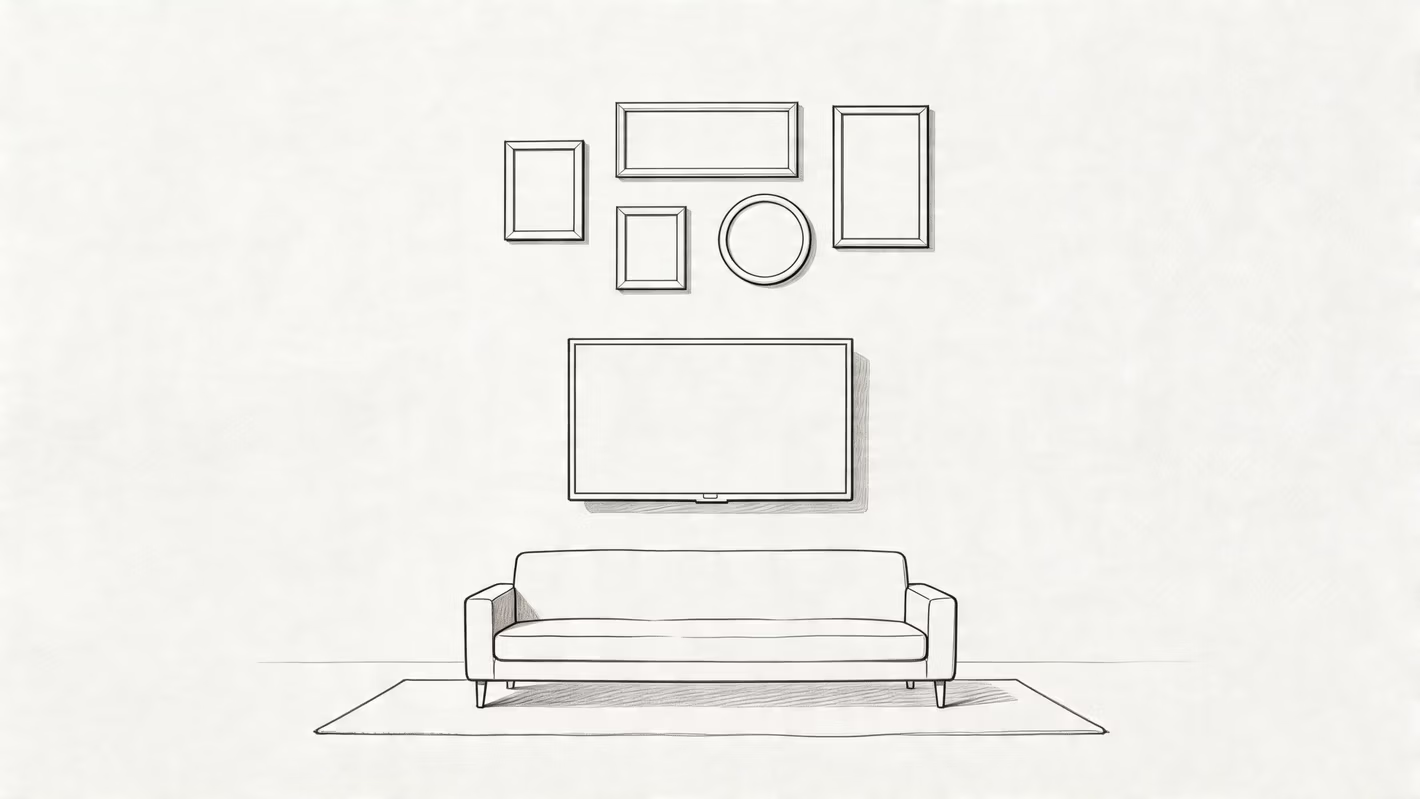
You sit down on the sofa, look at the TV wall, and something still feels unfinished. The screen is centered, the media console is in place, and yet the wall above it looks blank or disconnected. A statement art gallery fixes that by giving the television visual company, so the screen reads as one part of a larger arrangement instead of a lone black rectangle.
This approach works especially well in rooms that already have some personality to build from. A traditional space can use family portraits, nature scenes, or vintage sketches. A modern farmhouse room often looks better with black-and-white photography, simple mats, and slim black or oak frames. If your sofa is a custom piece from Smith Brothers of Berne or a refined silhouette from Flexsteel, repeating those lines or wood tones in the frames helps the wall feel connected.
The tricky part is proportion.
Many homeowners hang art too high, choose pieces that are too small, or scatter frames with no clear center. A good gallery above a TV works like a well-set dining table. Each piece has its place, and the spacing helps the whole arrangement feel calm.
How to keep it balanced
Start by treating the TV as the anchor. Place the first row of art roughly 6 to 10 inches above the screen, then keep the full grouping somewhat narrower than the furniture zone so it does not spread too far across the wall. If your TV is 60 inches wide, for example, a gallery cluster around 36 to 48 inches wide often feels more controlled than a layout that stretches from one end of the room to the other.
A few practical steps make the process easier:
- Mock up the layout first: Tape paper templates to the wall before you hammer anything in.
- Keep spacing consistent: Even gaps usually look more intentional than mixed spacing.
- Repeat one unifying detail: Use the same frame color, mat style, or art palette in several pieces.
- Check the view from your seat: A layout can seem straight up close but feel off-center from the sofa.
Frame choice matters too. Large mats can help smaller artwork hold its own next to a TV, while thin frames keep the arrangement from looking heavy. If you want the display to feel more personal, these custom framing ideas can help you match artwork to the room instead of buying random frames that only fit the print.
If you plan to mix art with small objects elsewhere in the room, Tanger’s guide on how to decorate shelves in any room is useful for building that same sense of rhythm and restraint. For picture placement itself, Tanger’s shared guide on hanging your picture with precision can help you get the height and spacing right the first time.
2. Floating Shelves with Styled Accessories
You mount the TV, step back, and the wall still feels unfinished. Floating shelves can fix that, but only if they are treated like part of the composition instead of extra storage.
The goal is balance. Shelves add shape around the screen and give you a place for personal objects, but they work best when each item has a job. One piece adds height. Another softens the hard rectangle of the TV. A third brings in texture. Without that logic, the setup starts to look like a closet moved onto the wall.
A good shelf arrangement usually includes only a handful of objects. Books, a small framed photo, pottery, and a trailing plant are often enough. If you collect many small items, edit hard. The TV already acts as the largest visual element, so the shelves should support it, not ask for equal attention.
How to style shelves without making the wall busy
Start with the shelf length and placement. Shelves that are slightly wider than the TV often look more settled than shelves that stretch too far beyond it. If you use two shelves, keep the spacing consistent so the stack feels intentional from the sofa.
Then build each shelf in layers:
- Begin with one anchor piece: A vase, basket, or framed object gives the eye a starting point.
- Add one lower element nearby: A short stack of books or a box keeps the shelf from feeling top-heavy.
- Introduce one contrasting texture: Ceramic, wood, woven fiber, or glass helps the display feel collected instead of flat.
- Stop before the shelf feels full: Empty space is what keeps styled shelving readable from across the room.
Style also matters. A Scandinavian room may call for pale wood, white ceramics, and plenty of open space. A more collected, relaxed room can handle darker wood, greenery, and a few vintage objects. The common rule is restraint.
Shelves work like punctuation around the TV. Too little on them looks accidental. Too much makes the wall hard to read.
If you want more object-pairing ideas and spacing examples, Tanger’s guide on how to decorate shelves in any room is a helpful reference for adapting those same principles above a television.
3. Built-In Media Console with Integrated Storage
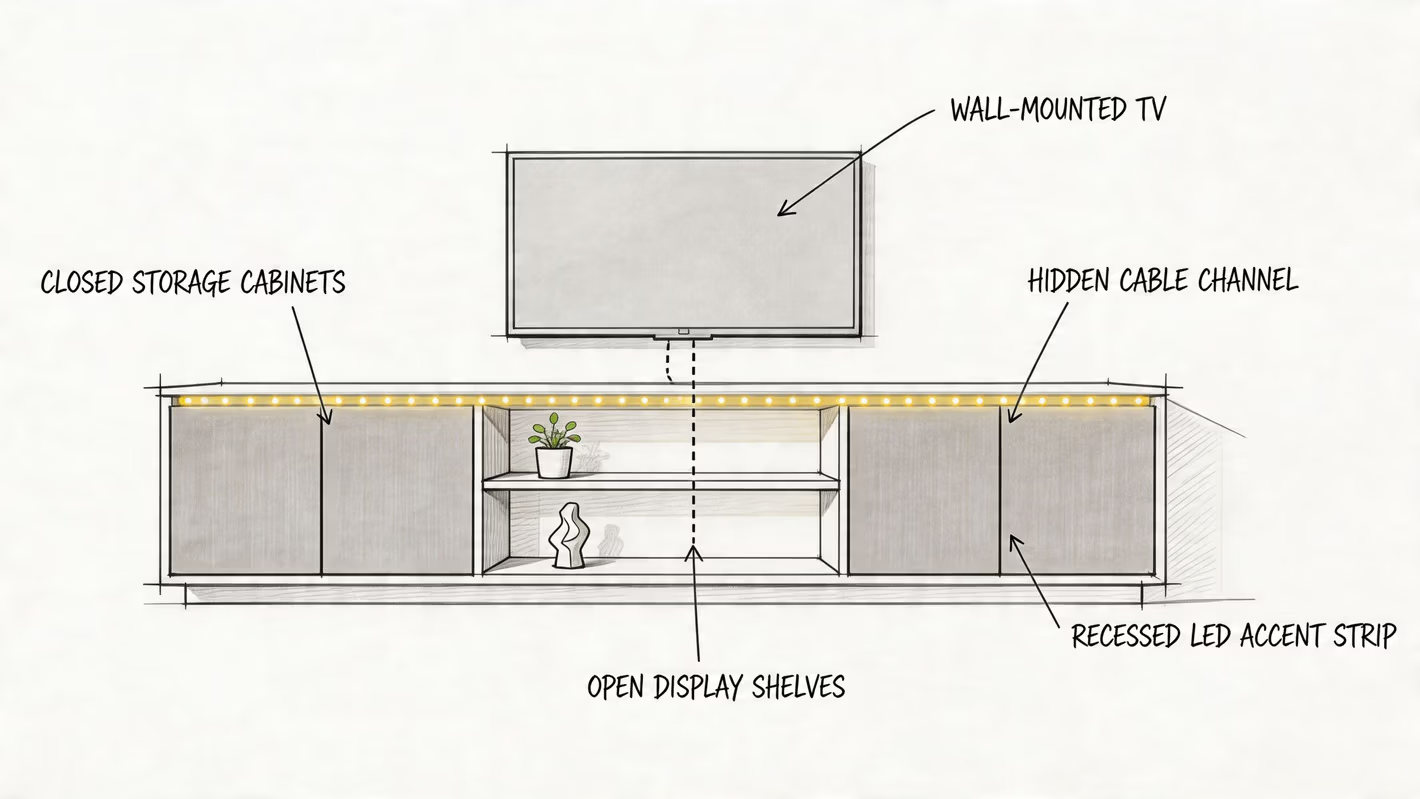
A TV wall often feels unfinished for a simple reason. The screen is handling two jobs at once. It is a viewing surface, and it is also acting like the room’s visual anchor. A built-in media console gives the wall a proper base, so the television no longer has to do all that work by itself.
This approach helps in rooms where daily-life items collect around the screen. Game consoles, routers, remotes, speakers, charging cords, and kids’ accessories all need a home. If they stay exposed, the wall starts to read like a storage zone instead of part of the room’s design.
A built-in solves that by assigning each item a place. Closed cabinets hide the mess. Open sections handle the components that need airflow or remote access. The result is practical first, but it also looks calmer from across the room.
In a family room, that might mean a long wood unit with cabinet doors on both sides and one open center section for a soundbar or media box. In a newer home, it may look more architectural, with painted cabinetry that lines up with the trim so the whole wall feels planned instead of pieced together.
What makes a built-in work well
The best built-ins are sized for the wall, not picked in isolation. That part is easy to miss.
A console that is too short can make a large TV feel top-heavy, like a dining table balanced on narrow legs. A console with some length gives the screen visual support and keeps the wall from feeling pinched in the middle. In many rooms, wider is better than taller.
A useful layout usually includes:
- Closed storage for visual relief: Cabinets hide the items you use often but do not want to see every day.
- At least one ventilated zone for electronics: Cable boxes, gaming systems, and some audio components need airflow to avoid overheating.
- A clear path for cords: Openings behind shelves or built-in cable channels keep wiring from bunching up inside.
- Enough surface area to ground the TV: Even a floating built-in should feel substantial enough to support the scale of the screen.
Material choice matters too. Wood adds warmth and helps offset the hard black rectangle of the television. Painted built-ins feel more integrated with trim and millwork, which suits traditional, transitional, and many modern farmhouse spaces. If the room already has strong furniture finishes, matching exactly is less important than staying in the same family of tones.
If you want a more customized look, custom-order seating from Smith Brothers or Flexsteel can be paired with a console finish and scale that suits the room instead of forcing the room to adapt to one stock piece. That same approach is useful in multipurpose spaces, where storage needs change how the TV wall should be built.
4. Decorative Mirrors with Artistic Frames
Mirrors above a TV can work beautifully, but only when they’re used with restraint. They brighten a room, add depth, and bring in a little sparkle. In smaller spaces, that extra light reflection can make the wall feel less heavy.
This is often a smart choice when the room needs softness. A round mirror above a rectangular TV introduces contrast. A small grouping of mirrors can add pattern without the visual noise of a busy gallery wall.
The key is placement. If a mirror reflects the television screen directly, you’ll notice it every time you sit down.
Use reflection carefully
A good mirror setup reflects something better than the TV. A window, a lamp, or a pretty corner of the room is much more useful.
Consider a few simple approaches:
- Single round mirror: Works well in farmhouse, transitional, and softer contemporary rooms.
- Arched mirror: Helps draw the eye upward when the wall feels too boxy.
- Mixed mirror grouping: Better in eclectic spaces where collected decor already makes sense.
- Thin metal frame: A clean choice when you want the room to stay modern.
If you can see the screen in the mirror from your seating position, move the mirror or choose another idea.
This option also suits renters because many framed mirrors can be installed with standard hanging hardware, depending on size and wall type. Just make sure the piece is secured properly. Heavier mirrors need the right anchors, especially above electronics.
5. Wooden Shiplap or Accent Wall Paneling
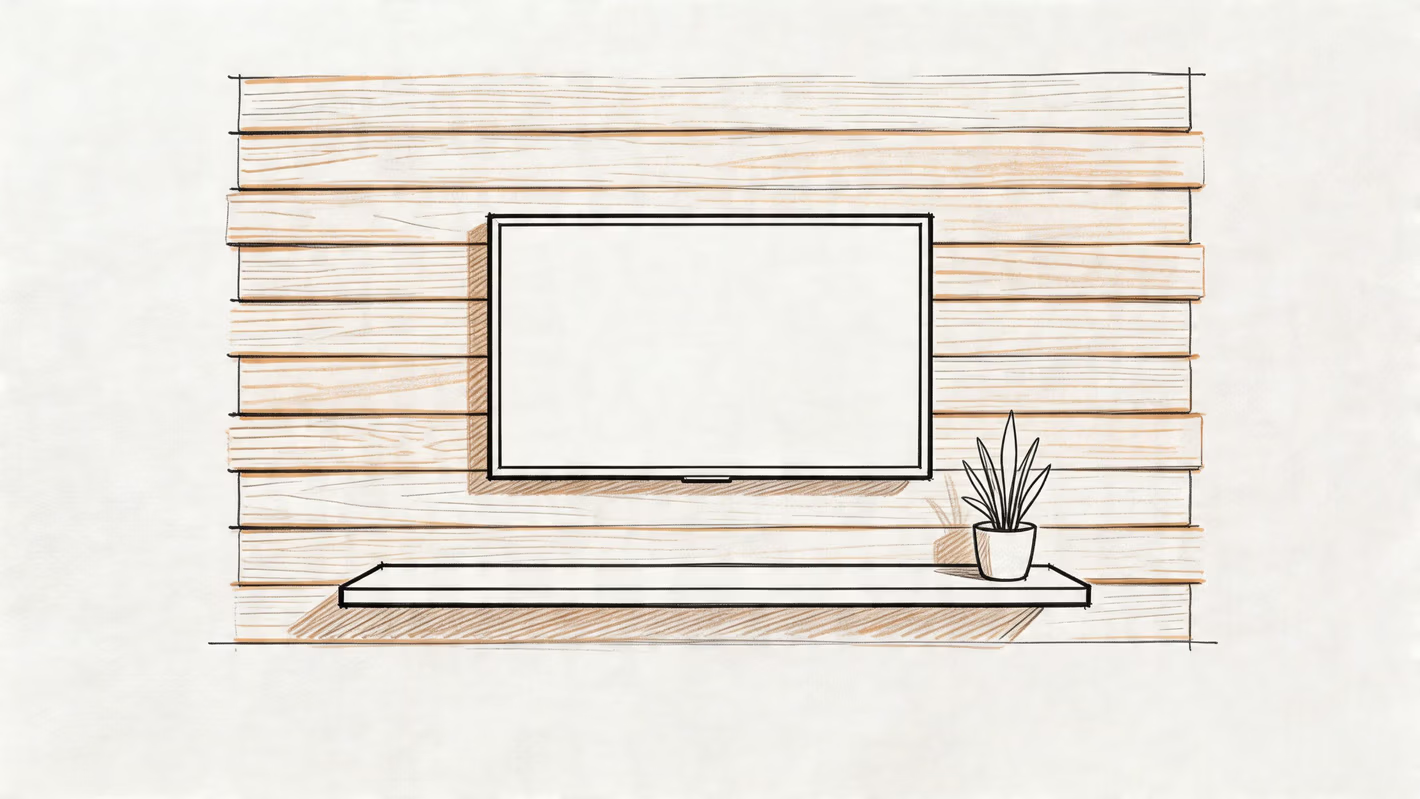
Wall texture can do the decorating for you. That’s the appeal of shiplap, vertical slats, wood paneling, or other accent wall treatments behind and above the TV. Instead of adding lots of objects, you change the wall itself.
This works well in rooms that already have enough decor. If your console, rug, and seating are doing their job, the wall may only need texture to feel finished. A painted shiplap wall in soft white or warm taupe can frame the TV without making it louder.
Why this works in everyday homes
Accent paneling adds depth that flat drywall doesn’t. It also helps the TV feel integrated, especially if the screen tends to look like a dark rectangle floating on the wall.
A few directions people often like:
- White horizontal shiplap: Common in farmhouse and cottage-inspired rooms.
- Vertical wood slats: Cleaner and more contemporary.
- Charcoal or navy paneling: Strong in modern spaces when you want drama.
- Peel-and-stick treatments: A practical option for renters or anyone testing a look before committing.
For local homeowners who want the wall to coordinate with the furniture, a showroom visit helps. A warm wood tone might pair beautifully with a Flexsteel sectional. A painted accent wall may feel better next to lighter upholstery or a custom sofa fabric.
If you’re considering this route, Tanger’s guide to creating a perfectly balanced accent wall can help you think through color, proportion, and placement before you start.
6. Large-Scale Indoor Plants and Living Wall Elements
You finish mounting the TV, step back, and the wall still feels stiff. The screen is centered. The console fits. But the whole setup can read like a box sitting on another box. Plants help break that geometry.
Greenery works like a soft edge around hard surfaces. A tall plant beside the media console can make the TV area feel grounded, while trailing leaves add movement that furniture and electronics usually lack. This approach is especially useful if you want the wall to feel finished without adding more framed pieces or permanent wall treatments.
Placement matters more than plant count. In most living rooms, plants look better beside the TV or slightly below it than crowded directly above it. That keeps the screen clear and reduces the chance that the arrangement feels top-heavy. If you are still deciding on screen height before styling the area around it, this guide to finding the optimal TV positioning helps set the foundation.
A few combinations tend to work well in real homes:
- Tall fiddle leaf fig or ficus near one side of the console: Fills an empty corner and balances a wide screen.
- Snake plant in a low planter: Good if you want height without a lot of leaf spread.
- Trailing pothos or philodendron on a nearby shelf: Softens the setup without blocking sightlines.
- Two pots with different heights and similar finishes: Keeps the look orderly while still feeling natural.
- A compact preserved moss panel or small living wall section nearby: Adds texture if you want a more organic focal area without covering the whole wall.
The key is scale. A tiny plant next to a large TV usually looks accidental. A plant with enough height or volume feels intentional, the same way the right size rug makes a seating area look connected instead of scattered.
This idea is also flexible. You can swap baskets for ceramic pots, move a floor plant seasonally, or start with one statement piece and add another later. For homeowners choosing statement greenery, this guide to large indoor potted plants is a useful starting point.
If your furniture has warm wood, woven texture, or soft upholstery, plants often tie those materials together and make the TV wall feel less mechanical. That is what many articles skip. The best plant styling around a TV is not about adding "decor." It is about correcting balance, so the technology shares the wall with something living.
7. Mounted TV with Hidden Cord Management and Minimalist Surround
You walk into the room, sit down, and the first thing you notice is not the screen. It is the dangling cords, the visible outlet, and the empty wall that somehow still feels messy. A mounted TV can solve that problem, but only if the details are handled with the same care as the screen itself.
This approach works well because it reduces visual interruption. Hidden cords remove the lines that make a wall look unfinished, and a minimalist surround keeps attention on the overall shape of the room instead of scattering it across small decorative items. In a compact living room, that can make the wall feel quieter and more intentional.
Minimalist doesn’t mean unfinished
A pared-back TV wall still needs structure. Height, outlet placement, cord routing, and the relationship to the console below all need to line up. If one piece is off, the wall can feel like a TV was attached in a hurry.
A good way to judge the setup is to look for three clean lines. The top of the console, the center of the screen, and the path where cords disappear should all feel organized. It works like hemming a pair of pants. The garment may look simple, but the fit is what makes it look finished.
Use this setup when:
- You want a calmer room: Fewer surrounding objects reduce visual clutter.
- Your screen is used daily: A clean wall supports comfortable viewing better than decor-heavy arrangements.
- The furniture already carries the design: A strong media console, textured wall paint, or sculptural sofa often gives the room enough character on its own.
- You need a polished shared space: Offices, lounges, and multipurpose family rooms often benefit from a simpler media wall.
For home setups, Tanger’s guide to finding optimal TV positioning helps with the part many homeowners get wrong first: mounting height. Getting that right before installation is much easier than patching holes later.
If you want the wall to feel finished without adding shelves or art, use one restrained surround treatment. A slim console in wood or matte paint, a paint color with slight contrast from the rest of the room, or a low-profile frame around the TV niche can be enough. The goal is not to hide the TV completely. The goal is to make it look placed, not parked.
7 Above-TV Decorating Ideas Compared
| Option | 🔄 Implementation complexity | ⚡ Resource requirements | ⭐ Expected outcome / 📊 Impact | Ideal use cases | 💡 Key advantage / Tip |
|---|---|---|---|---|---|
| Statement Wall Art Gallery | Medium, layout planning, measuring, possible framing | Low–Medium, frames, hanging hardware, optional pro framing | High ⭐, strong visual focal point and personalization | Quality-conscious homeowners, styled living rooms, non-renters | Allows seasonal refresh; use paper templates and consistent spacing |
| Floating Shelves with Styled Accessories | Medium, stud-mounting and level installation | Low, shelves, brackets, basic tools; reinforced brackets for heavy loads | Moderate–High ⭐, adds storage and curated display without bulk | Renters (with temporary options), budget buyers, compact spaces | Anchor to studs; follow rule of thirds and avoid over-accessorizing |
| Built-In Media Console with Integrated Storage | High, custom design, professional install, electrical planning | High ⚡, cabinetry, installation labor, possible electrician/carpenter | Very High ⭐, polished, integrated look; increases perceived value 📊 | Homeowners seeking long-term investment and cohesive design | Plan outlets and cable routing early; mix open/closed storage |
| Decorative Mirrors with Artistic Frames | Low, simple hanging but must be secure | Low, mirror(s), hooks/anchors, possibly pro hanging for large pieces | Moderate ⭐, brightens room and adds perceived space 📊 | Renters and small-room owners seeking quick upgrades | Avoid reflecting TV/glares; secure with appropriate anchors |
| Wooden Shiplap or Accent Wall Paneling | Medium–High, labor-intensive; best with pro install for real shiplap | Medium–High, materials (real or peel-and-stick), labor, finishing | High ⭐, adds texture/architecture and strong visual weight 📊 | Farmhouse, coastal, transitional styles; homeowners wanting dramatic upgrade | Use peel-and-stick for renters; paint to match palette and seal for durability |
| Large-Scale Indoor Plants and Living Wall Elements | Low–Medium, selection, placement, ongoing care | Low–Medium, plants, planters, potential living-wall system | Moderate ⭐, biophilic benefits, color, and air quality improvement 📊 | Wellness-focused homes, renters, evolving design preferences | Choose plants by light level; use pet-safe varieties and self-watering pots |
| Mounted TV with Hidden Cord Management and Minimalist Surround | High, professional mounting and in-wall conduit work | High ⚡, electrician/AV installer, conduit, mounting hardware | High ⭐, streamlined, tech-forward aesthetic; clean sightlines 📊 | Contemporary/minimalist homes and tech-forward homeowners | Hire pros for in-wall work; install outlet behind TV and consider articulating mount |
Final Thoughts
The best above tv decorating ideas don’t start with trends. They start with the room you have. A wide blank wall may need the structure of a built-in. A smaller apartment may benefit more from one mirror or a narrow shelf. A family room that already has a lot going on may look better with hidden cords and almost nothing else.
That practical mindset matters because TV walls are easy to overwork. If every inch above the screen is filled, the room can start to feel busy fast. If nothing is there at all, the wall can feel unfinished. The sweet spot is usually somewhere in between.
For many homeowners, the primary decision isn’t just what to hang. It’s how the whole room should connect. The art should speak to the upholstery. The shelf finish should relate to the cocktail table. The wall treatment should support the mood of the space instead of competing with it. That’s where a local furniture store with design experience can help more than a generic mood board can.
Tanger’s Furniture has served Bellefontaine and Logan County families since 1946, with design support dating back to 1964. That long history shows up in the way the store approaches projects. No pressure. No one-size-fits-all answer. Just helpful guidance for people who want to love their home a little more.
That can mean custom-order seating from Smith Brothers or Flexsteel, a better media console for your living room, or a coordinated plan for a professional setting through Commercial Office. It can also mean practical support after the sale, including local delivery, setup, and in-house service options when you need them. If you’re balancing style and budget, Tanger’s also offers flexible financing and backs purchases with the Low Price Promise.
And if your project goes beyond the living room, that same local reliability matters when you’re shopping for Bellefontaine furniture, custom sofas Ohio homeowners can personalize, dependable Speed Queen laundry, or a mattress store Logan County families already know.
Visit Tanger’s Furniture to see custom options in person in Bellefontaine or browse collections online to start your journey. If you’ve got a specific design question, contact the design staff for no-pressure help, ask about flexible financing options, and join the Love Your Home Club for exclusive offers, local inspiration, and expert tips. Tanger’s handles the heavy lifting too, with delivery and setup that make your project easier from start to finish.