Salvaged Wood Bookcase: Your Guide to Timeless Style


You know that feeling when a room is almost right, but one wall still feels blank and unfinished?
A lot of folks run into that when they’re trying to organize books, family photos, baskets, and a few meaningful pieces without making the room feel generic. They don’t want another flat-packed shelf that looks like it could belong to anybody. They want something that feels grounded. Personal. Like it belongs in their home and nowhere else.
That’s where a salvaged wood bookcase tends to stand out.
A well-made piece has presence before you even style it. The wood may have come from an old barn, workshop, or factory. It may carry saw marks, nail holes, or color changes that new lumber just can’t fake. Those details often stop people at first because they’re used to furniture that tries to look perfect. But in a salvaged piece, those marks are often the reason it feels warm and honest.
For families around Bellefontaine and Logan County, that matters. People here usually want furniture that works hard, lasts, and feels right in a real home. A salvaged wood bookcase checks those boxes while adding a little history to the room. It can hold novels in a den, cookbooks in a kitchen nook, storage baskets in a family room, or files and display pieces in a home office.
If you’ve been browsing rustic pieces and wondering what’s worth your time, the look and feel of mindfully rustic furniture is a helpful place to begin. It gives you a sense of how reclaimed materials bring depth into a room without feeling staged.
There’s also the practical side. Buyers often ask the same smart questions. Is reclaimed wood strong? Will it fit my wall? Is every mark a defect? What happens after I order it? Those are the right questions.
Introduction A Bookcase with a Story to Tell
A salvaged wood bookcase often starts with an ordinary need. You need storage. The room needs balance. Your books need a home that doesn’t look temporary.
Then you spot a piece made from old timber, and it feels different from the start.
Instead of looking freshly manufactured, it looks lived in. The grain has depth. The color shifts naturally. A knot, an old peg mark, or a weathered edge gives it the kind of character that usually takes years to earn. For many homeowners, that’s the moment the search changes from “I need shelves” to “I want something with a story.”
That appeal isn’t just nostalgia. It’s about connection. People want homes that reflect who they are, not just what was easiest to ship in a box. A salvaged wood bookcase can do that in a quiet, steady way. It doesn’t need flashy details to stand out.
A good bookcase should do two jobs at once. It should carry weight well, and it should make the room feel more like home.
This kind of piece also fits the way many local families shop for furniture. They want to make careful decisions. They want to understand what they’re buying. And they want something that still makes sense years from now, after styles shift and rooms get rearranged.
That’s why the ownership journey matters so much. The right bookcase isn’t only about wood species or shelf count. It’s also about sizing, delivery, setup, care, and how the piece will live in your Ohio home day after day.
What Makes a Salvaged Wood Bookcase So Special
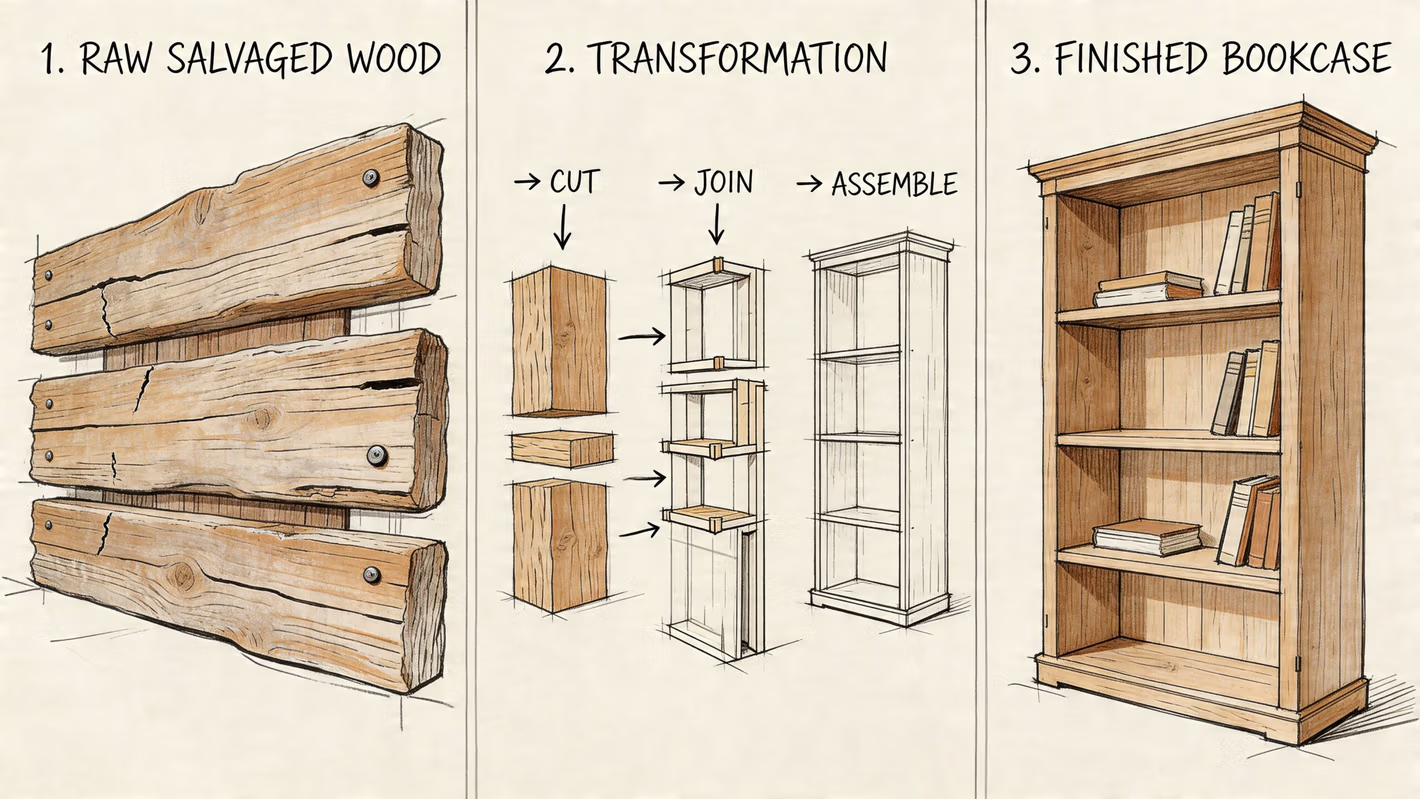
A salvaged wood bookcase is made from wood recovered from older structures instead of freshly cut lumber. That wood might come from barns, factories, warehouses, or other buildings that have reached the end of one life and are ready for another.
Picture a stone from an old country wall. A brand-new brick can be neat and useful, but the older stone has weather, texture, and a sense of place built into it. Salvaged wood works the same way.
What you’re actually seeing in the wood
Many first-time shoppers assume reclaimed boards should look smooth and uniform like new furniture showroom samples. They usually don’t, and that’s the point.
Common features include:
- Nail holes that show where the wood once served another purpose
- Saw marks left from earlier milling methods
- Patina created by age, use, sun, and weather
- Color variation from board to board
- Small imperfections such as knots, worn edges, or old fastening points
Those details aren’t usually flaws in the decorative sense. They’re part of the material’s identity. If you want every board to match exactly, salvaged wood may not be the best fit. If you want a piece that feels layered and authentic, it’s hard to beat.
Why the style has staying power
The look may feel current, but the modern appreciation for reclaimed wood furniture has deeper roots. The practice of salvaging wood for furniture traces its modern aesthetic roots to the 1920s when interest in American Folk Art grew, especially within the Amish community, and it later evolved from practical reuse into a celebrated craft. Today, over 90% of salvaged wood is milled for premium furnishings like bookcases, according to Old Barn Star’s history of barnwood furniture.
That history helps explain why these bookcases don’t feel like a passing fad. They come from traditions built around resourcefulness, handcraft, and durability. Those values still resonate, especially in communities where people appreciate useful things made well.
Why shoppers sometimes get confused
Two terms get mixed together all the time: rustic and poorly finished. They are not the same.
A salvaged wood bookcase can have age marks and still be carefully built. In fact, a quality piece should feel solid, stable, and thoughtfully finished. The “old” look should come from the material’s past, not from sloppy construction today.
That’s an important distinction. Character belongs in the wood. Weakness does not.
The Enduring Appeal of Sustainable Style
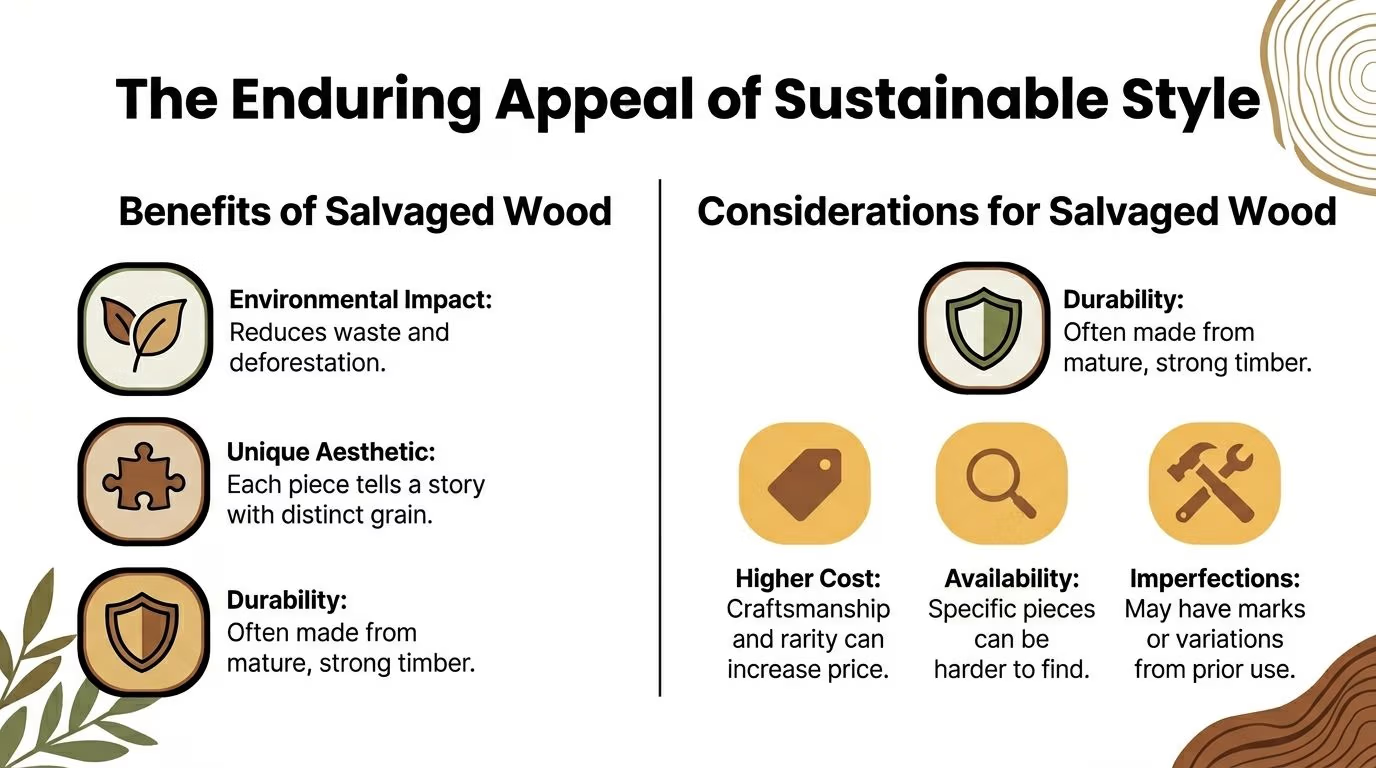
People are often drawn to a salvaged wood bookcase for the look first. Then they learn the practical benefits and the piece starts to make even more sense.
That appeal usually comes down to three things. It’s easier on resources, it’s often made from mature wood with strong visual character, and it gives a room something mass-market furniture rarely can. A feeling of permanence.
Why sustainability matters here
Using old lumber again keeps usable material in circulation instead of treating it like waste. That’s more than a nice idea. It has measurable impact.
Using salvaged wood for furniture diverts an estimated 1.5 billion board feet from landfills in the US each year and emits 40% fewer CO2 equivalents than producing new lumber. The reclaimed wood market was also valued at $14.5 billion globally in 2022, according to Harvard Design Magazine’s discussion of bookcase history and reclaimed wood.
For buyers, that means a style choice can also be a stewardship choice.
The beauty isn’t copied from anything
New wood can be stained, distressed, brushed, or tinted to imitate age. Sometimes it looks good. But imitation age is still different from actual age.
A salvaged board has lived somewhere. Its grain may have darkened unevenly. One section may feel smoother from decades of wear while another keeps a rougher texture. That’s why even simple shelf designs can feel rich without extra ornament.
If you enjoy learning how older pieces bring depth into a space, this overview of the advantages of buying vintage furniture offers useful perspective. It isn’t about bookcases alone, but it speaks well to why people respond to furniture with history.
Worth remembering: If two salvaged wood bookcases look exactly alike, one of them is probably trying too hard.
Durability and value in plain terms
There’s also a practical argument for reclaimed wood. Mature timber often feels more substantial than lightweight alternatives. Even before you touch it, you can usually tell the difference between a solid, thoughtfully built wood bookcase and a thinner case made to hit a low price point.
That doesn’t mean every salvaged piece is automatically superior. Construction still matters. But when good craftsmanship meets well-chosen reclaimed lumber, you often end up with furniture people keep for a long time rather than replace after a move or remodel.
Here’s the honest tradeoff:
| Consideration | What it means for you |
|---|---|
| Higher upfront cost | You may spend more than you would on particleboard or basic MDF shelving |
| Natural variation | The piece may not match a sample photo exactly |
| Limited sameness | If you want a matching set with perfect uniformity, salvaged wood can be trickier |
That’s why value matters more than sticker shock. A cheaper shelf can cost less today and disappoint you sooner. A well-made salvaged wood bookcase often asks you to think in longer terms.
For shoppers sorting through industrial, farmhouse, and rustic looks, this comparison of industrial vs rustic furniture styles can help you decide whether salvaged wood should be the room’s main character or part of a broader mix.
How to Choose Your Perfect Salvaged Wood Bookcase
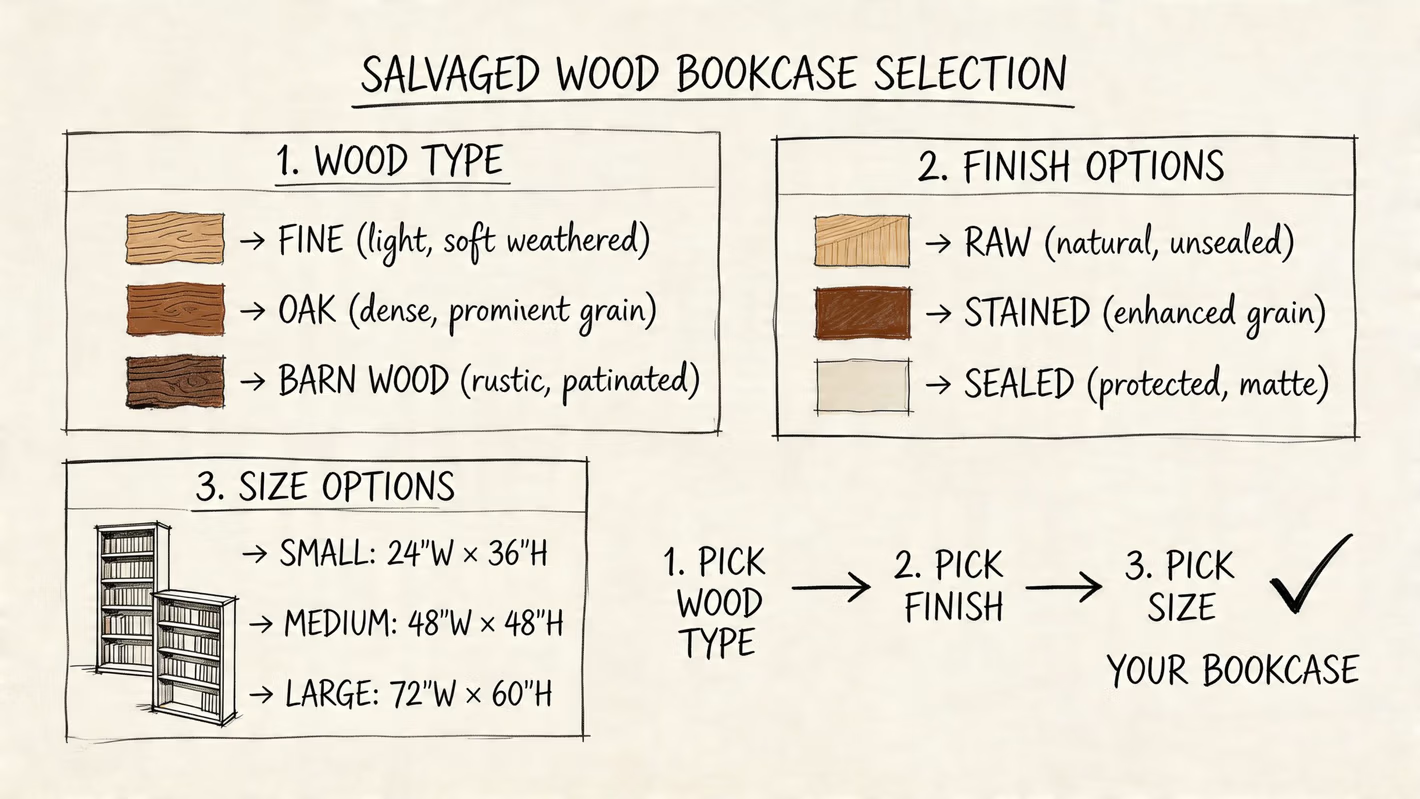
Choosing the right salvaged wood bookcase gets easier when you break it into a few practical decisions. Most confusion comes from trying to judge everything at once. Wood type, finish, dimensions, strength, and style all matter, but they don’t carry equal weight.
Start with the basics that affect daily use. Then move toward appearance.
Look at the wood before you look at the stain
Different woods tell different visual stories.
Oak usually shows stronger grain and a sturdier, grounded look. Pine often feels lighter and more relaxed. Poplar can read smoother and quieter in a painted or less rustic design. Reclaimed wood doesn’t lose those broad personality traits just because it’s old, but age can deepen the color and add visual movement.
If you want a helpful primer on what different woods tend to do over time, this guide to choosing the right hardwood for longevity and style is worth a look.
A simple way to consider this is:
- Oak suits readers who want the bookcase to feel substantial and timeless
- Pine works well when you want warmth and a softer rustic mood
- Poplar or mixed reclaimed woods can be useful when you’re balancing character with a cleaner silhouette
If you’re researching materials more broadly, a good overview of what makes an eco-friendly lumber supplier can also help you ask better questions about sourcing and processing.
Check the construction like a careful buyer
Smart shoppers separate a good-looking piece from a good piece.
Quality Amish-crafted reclaimed bookcases often feature 1-5/8-inch thick solid tops from 200-300-year-old oak, and their multi-layer conversion varnish finish improves scratch resistance while shelves can support 50-75 lbs, according to Quality Woods’ reclaimed barnwood book shelves details.
Those numbers matter because they answer a common worry. People see old wood and wonder if “old” means fragile. In a properly built piece, it doesn’t.
Use this checklist when you inspect one:
- Top thickness matters. A substantial solid top often signals a sturdier build overall.
- Shelf support matters just as much as the wood. Books are heavy, especially art books, cookbooks, and hardcovers.
- Finish quality changes daily life. A durable varnish makes dusting easier and helps the surface hold up to normal use.
- Joinery and back panels deserve attention. A handsome front doesn’t help much if the case racks or wobbles.
Don’t let rustic character distract you from structural questions. A good bookcase should feel reassuring the moment you touch it.
Size the piece for your room, not for a photo
A bookcase that looks perfect online can feel oversized in a living room or too shallow for the books you own. Measure the wall. Then measure the items you plan to store.
A few sizing mistakes show up again and again:
- Too tall for the ceiling line. Crown molding, vents, and low soffits can cause headaches.
- Too deep for the walkway. A beautiful case can still make a room feel cramped.
- Too shallow for real use. Large books, baskets, and office items need honest depth.
- Too wide for visual balance. If the piece overpowers a sofa, desk, or fireplace wall, the room can feel top-heavy.
This is a lot like shopping at a mattress store in Logan County. The wrong size or support level can look fine for five minutes and feel wrong for years. Furniture has to fit your life, not just your inspiration board.
Match the build to the way you’ll use it
Not every buyer needs the same bookcase.
A family room piece may need room for games, baskets, and framed photos. A study may need tighter shelf spacing for rows of hardcovers. A home office may need a mix of books, printers, binders, and concealed tech.
Here’s a quick comparison:
| Use | Best features to prioritize |
|---|---|
| Living room | Balanced proportions, a warm finish, room for books and decor |
| Home office | Strong shelves, adjustable spacing, cable-friendly planning |
| Dining space | Storage for serving pieces, baskets, cookbooks, and displayware |
| Bedroom or den | Softer visual presence, moderate depth, calming finish tone |
If you’re also shopping more broadly for Bellefontaine furniture, the same principle applies whether you’re choosing shelving, custom sofas Ohio families can live on, or even practical pieces for a laundry area near your Speed Queen laundry setup. Good furniture earns its place by working well every day.
Customizing Your Bookcase from Idea to Installation
A custom salvaged wood bookcase solves a problem that standard furniture often can’t. Real homes have odd wall lengths, baseboard heaters, windows, vents, uneven floors, and specific storage needs. A custom piece lets the room lead instead of forcing the room to adapt.
That process feels much less intimidating when you treat it like a series of small choices.
Start with how you live
Before picking a finish or hardware, decide what the piece needs to do.
Do you want shelves mostly for books, or for a mix of books and decor? Will it sit in a den, an office, a hallway, or a commercial reception area? Do you need open shelving, lower doors, or extra height to use more wall space?
Those questions shape the entire build.
A helpful next step is browsing examples of how custom furniture can be made simple. Seeing the process broken down makes it easier to move from “I like this style” to “this is the exact size and function I need.”
Good customization improves safety, not just style
Custom work often gets talked about as if it’s only about looks. In practice, some of the most important upgrades are invisible.
Reclaimed wood shelves can be engineered to sustain 150-200 lbs per shelf, and custom orders can include anti-tip kits that prevent 95% of tip-over risks in homes, plus adjustable levelers for uneven floors, according to this reclaimed bookcase listing with construction details.
That matters in everyday homes. Floors settle. Kids climb. Large hardcovers add up fast. A bookcase should be attractive, but it should also be planned for real use.
In a well-designed piece, function hides in plain sight. Levelers, anchoring, and shelf engineering may not be the first details you notice, but they’re often the ones that matter most over time.
What the ownership journey should feel like
From a shopper’s side, the best custom process usually includes:
- Clear measuring help so you know the piece will fit before it’s built
- Finish and hardware guidance that works with the rest of your room
- Delivery and setup support so you’re not wrestling a heavy case through the front door
- Flexible financing options if you’d rather spread out the cost of a long-term purchase
- Value reassurance through a Low Price Promise, so custom doesn’t automatically mean overpaying
That’s especially helpful for budget-conscious families who want quality without taking on the entire cost at once.
For business owners, customization can be even more practical. A waiting room, executive office, or boutique retail wall may need exact dimensions and heavier-duty planning. In that setting, custom isn’t a luxury. It’s often the smartest path.
Styling and Placing Your Bookcase to Love Your Home
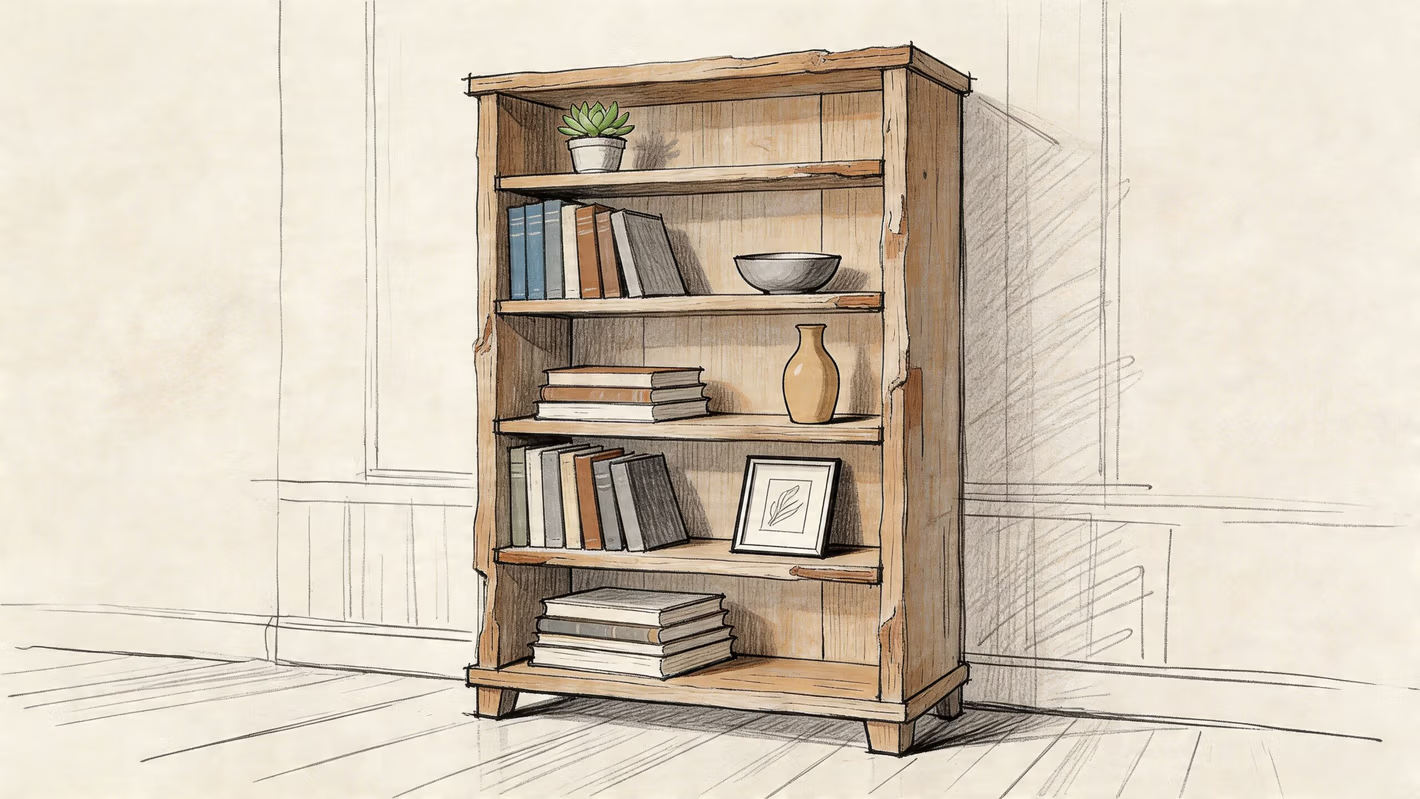
Once the bookcase is in place, the room starts to change fast. Even an empty salvaged wood bookcase adds warmth because the wood itself does some of the decorating. Then the fun part begins. Deciding what lives on it and where it works best.
Easy styling ideas that don’t feel fussy
You don’t need designer training to make shelves look good. You just need balance.
Try a few of these:
- Mix heights by pairing upright books with a small framed photo or bowl
- Use baskets low to hide less-pretty items like chargers, papers, or games
- Leave breathing room so every shelf isn’t packed edge to edge
- Repeat one material such as black metal, woven texture, or ceramic, to make the arrangement feel connected
- Add one living thing like a small plant if the light in the room allows it
Some people like arranging books by color. Others prefer grouping by subject or size. Both can work. The better choice is usually the one you’ll maintain.
Where a salvaged wood bookcase works best at home
In a living room, it can anchor a wall that feels empty or soften the hard lines around a television. In a dining room, it can hold serving pieces, linens, and cookbooks while still feeling decorative. In a bedroom or den, it creates a quieter, settled mood.
Home offices deserve special mention because that use keeps growing. Integrating salvaged wood bookcases into hybrid work-from-home spaces is an emerging trend, and 40% of U.S. professionals are projected to maintain home offices post-2025, according to Overstock’s related market context on bookshelves and home office demand. That helps explain the rising interest in modular features like cable management and adjustable shelving for AV equipment.
A reclaimed bookcase can make a work zone feel less temporary and more intentional.
A good fit for professional spaces too
Salvaged wood doesn’t belong only in homes.
In a professional setting, it can bring warmth to a reception area, add authority to an executive office, or give a boutique business a more bespoke feel than standard commercial casegoods. That mix of texture and function is one reason many small businesses lean toward residential warmth in customer-facing spaces.
For offices that need more planning, commercial office furniture and space planning can help with layout questions, especially when a room needs shelving, desks, seating, and traffic flow to work together.
A bookcase in a business setting does more than store binders. It helps people understand the tone of the brand the moment they walk in.
Caring For Your Piece of History
A salvaged wood bookcase sounds high-maintenance to some buyers, but daily care is usually simpler than they expect.
Start with the basics. Dust it regularly with a soft, dry cloth. If needed, use a slightly damp cloth and dry the surface afterward. Don’t leave moisture sitting on the wood, and avoid harsh household cleaners that can dull a quality finish.
Placement matters too. Try not to set the piece right against a heat register or in strong, constant direct sun if you can avoid it. Wood is a natural material, and stable conditions help it age gracefully.
For shelf use, spread heavy books across the case instead of stacking all the weight in one small area. If the bookcase came with anti-tip hardware, use it. That’s especially important in homes with children or pets.
A finish made for everyday furniture use should make cleaning straightforward, not stressful. You’re caring for real wood, not babysitting it.
If you want a practical refresher on upkeep, this guide on how to care for wood furniture covers the habits that keep solid wood looking good over time.
And if something ever feels off, a door alignment, shelf question, or finish concern, it’s worth reaching out through a service request rather than guessing. Good furniture should come with peace of mind, not uncertainty.
Conclusion Bring a Story-Rich Piece into Your Bellefontaine Home
A salvaged wood bookcase offers more than storage. It brings history, warmth, and purpose into a room in a way that new, uniform furniture often can’t.
For some buyers, the draw is sustainability. For others, it’s the character in the grain, the old marks, and the sense that the piece has already lived a life before arriving in your home. For many people, it’s both. They want furniture that feels meaningful and works hard.
The practical side matters just as much. The right piece should fit your wall, support the weight you need it to carry, arrive safely, and keep serving your home for years. That’s why it helps to think beyond the showroom photo and focus on the full ownership journey. Design, customization, delivery, setup, styling, and long-term care all shape whether you’ll still love the piece later.
In Bellefontaine and across Logan County, that kind of thoughtful buying still matters. People want good value, honest guidance, and furniture that earns its place in the home.
If you’ve been looking for a piece that feels personal instead of mass-produced, a salvaged wood bookcase is a strong place to start.
Visit Tanger's Furniture to see custom options in person at the Bellefontaine showroom or browse collections online to start your journey. Whether you’re furnishing a living room, planning a home office, comparing Bellefontaine furniture, shopping custom sofas Ohio families can tailor, updating a laundry space near your Speed Queen laundry area, or searching for a trusted mattress store Logan County shoppers rely on, you’ll find a no-pressure experience, flexible financing for any project, local delivery and in-house service that handle the heavy lifting, and a Low Price Promise focused on lasting value. Have a specific design question? Contact the design staff today or join the Love Your Home Club for exclusive offers and helpful home tips.