
Bellefontaine’s Cabinet Depth Refrigerator Guide


A kitchen often reaches a point where one detail starts bothering the whole room. The refrigerator sticks out too far, traffic feels tight near the island, or a remodel plan looks polished on paper until the appliance layout gets added back in.
That's where a cabinet depth refrigerator usually enters the conversation. It isn't just a technical appliance term. For many households in Bellefontaine and across Logan County, it's the choice that helps a kitchen feel calmer, better balanced, and easier to live in every day.
A family-owned store that has served local homes since 1946 and offered design help since 1964 sees this choice as part of a bigger goal. The right refrigerator should support the way a household cooks, moves, gathers, and stores food. That's what it means to help people love their home, not just fill it with products.
Table of Contents
- Your Dream Kitchen and The Perfect Refrigerator Fit
- What Exactly Is a Cabinet-Depth Refrigerator
- Cabinet-Depth vs Counter-Depth and Built-In Models
- How to Measure for a Perfect Fit in Your Home
- Pros Cons and Expert Buying Tips from Tangers
- Your Partner from Delivery to Daily Use
- Frequently Asked Questions
Your Dream Kitchen and The Perfect Refrigerator Fit
A kitchen remodel usually starts with inspiration. Cleaner lines, better storage, easier movement, and a room that feels finished instead of pieced together. Once budgets enter the picture, many homeowners start comparing cabinetry, flooring, lighting, and appliances all at once. Anyone planning a larger update may find it helpful to review average kitchen remodeling expenses before making final selections.
A refrigerator has a bigger visual effect than many people expect. It's one of the tallest and most-used pieces in the room, and when it projects well past the cabinets, the whole kitchen can feel less orderly. In tighter homes, that extra bulk can make a walkway feel narrower than it really is.
That's why a cabinet depth refrigerator has become such a practical design choice. It helps create a more built-in look without requiring a fully custom appliance plan. For a homeowner trying to make the kitchen feel smoother and more intentional, that can be a smart middle ground.
A good kitchen choice doesn't only solve a measurement problem. It should also make the room easier to use every morning, every dinner hour, and every holiday.
This kind of decision fits naturally with a broader home philosophy. The goal isn't just to buy a refrigerator. The goal is to make the kitchen work better for the people who live there. For households looking at flow, storage, and daily convenience together, ideas like these often connect well with other ways to make a kitchen more efficient.
In Logan County, that practical mindset matters. Families want style, but they also want value, durability, and choices that still make sense years from now.
What Exactly Is a Cabinet-Depth Refrigerator
For many shoppers, the term sounds more technical than it really is. A cabinet depth refrigerator is a refrigerator designed to sit much closer to the front line of the surrounding cabinets instead of extending far into the room.
The simple idea behind the name
Think of the difference between a bookshelf built to line up neatly with a wall and one that sticks out into the walkway. Both store items. One just feels more integrated into the room.
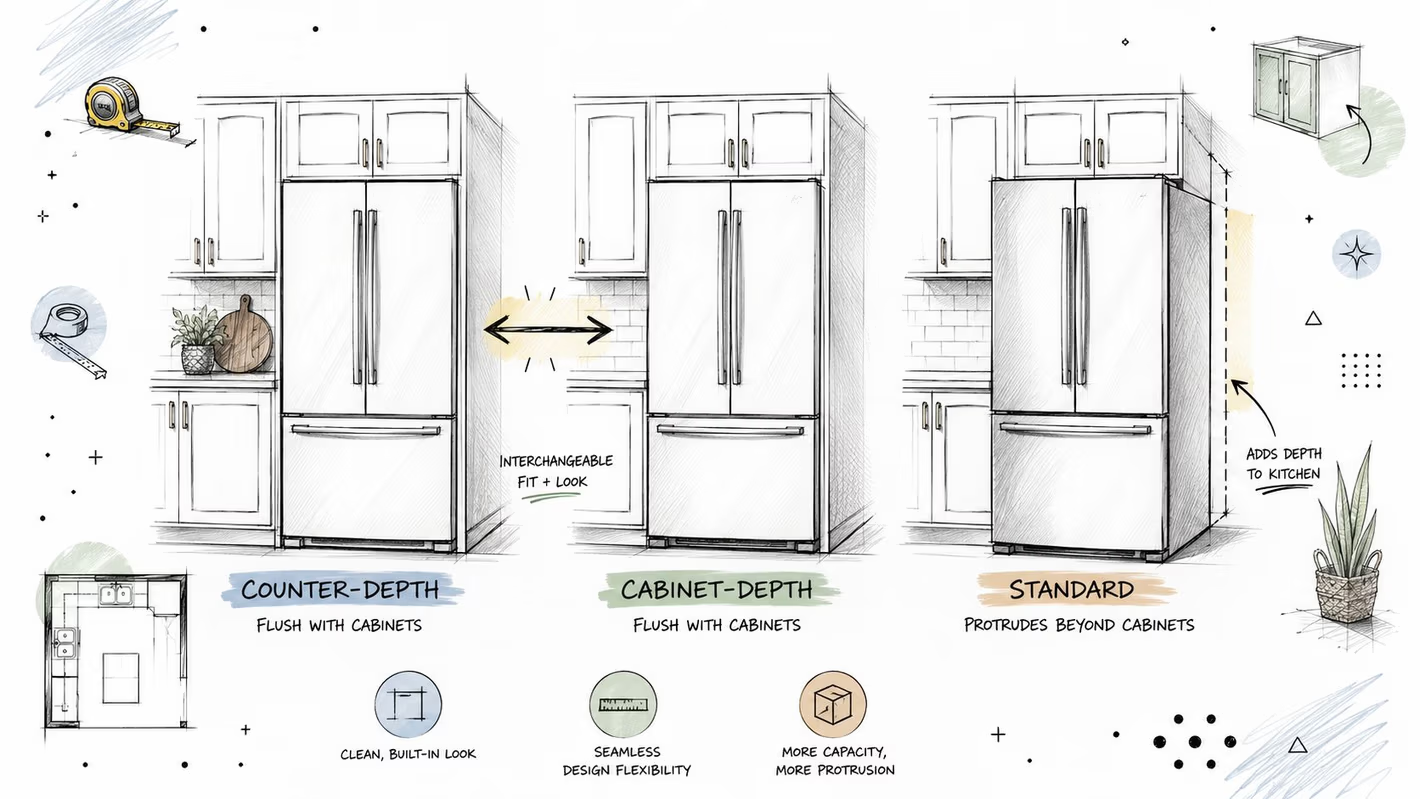
That's the basic idea here. A cabinet depth refrigerator is typically designed to sit nearly flush with standard kitchen cabinetry, which is commonly about 24 inches deep. Major retailer and manufacturer guides place this style at roughly 24 to 30 inches deep without handles, compared with standard-depth models at about 30 to 36 inches deep, so it often projects about 6 inches or more less into the kitchen, according to KitchenAid's counter-depth vs standard-depth guide.

A shopper browsing kitchen appliances will usually notice this difference right away in profile. The front looks cleaner, and the appliance doesn't dominate the room as much.
Why that difference matters in real kitchens
The appeal isn't only visual. In many homes, especially where traffic passes between an island and the refrigerator, a shallower appliance can make the kitchen feel more open.
That doesn't mean every cabinet depth refrigerator is tiny. The category is defined by exterior fit more than some hidden internal technology. The purpose is simple. Bring the appliance closer to the cabinetry line so the kitchen feels more intentional.
A few practical benefits stand out:
- Cleaner sightlines: The refrigerator blends better with cabinets and counters.
- Better movement: Less protrusion can help the kitchen feel less crowded.
- A more custom appearance: The room often looks more planned, even without a full custom build.
For many homeowners, that's the entire reason to choose one.
Cabinet-Depth vs Counter-Depth and Built-In Models
Many shoppers find themselves confused. Store tags, online listings, and casual conversation often use different terms for products that look similar at first glance.
Why the terms sound more confusing than they are
In everyday appliance shopping, cabinet-depth and counter-depth are often used to describe the same basic idea. Both usually refer to a freestanding refrigerator with a shallower body so it sits closer to the surrounding cabinetry.
Where buyers need to slow down is with built-in refrigerators. A built-in model is a different category. It's made to integrate more fully into cabinetry and often belongs to a more specialized installation plan.
Counter-depth models usually give back some lost depth by adding size elsewhere. They commonly measure about 30 to 36 inches wide and 60 to 75 inches tall, with capacities around 15 to 25 cubic feet and an average near 22 cubic feet. Standard-depth units are often 31 to 36 inches deep, and that extra depth can mean more storage, as explained in this refrigerator dimensions and capacities overview.
A quick way to tell them apart
A simple comparison helps.
| Type | Best understood as | Fit with cabinets | Installation feel |
|---|---|---|---|
| Cabinet-depth | Freestanding, shallower profile | Near-flush look | Similar to regular appliance installation |
| Counter-depth | Usually the same idea as cabinet-depth | Near counter line | Similar to regular appliance installation |
| Built-in | More integrated appliance category | More seamless overall | More specialized planning |
A few showroom clues also help:
- Look at the body depth: Cabinet-depth and counter-depth units are designed to reduce visual projection.
- Check the overall shape: These models may be taller or wider to hold usable space.
- Ask how the unit installs: Built-in designs usually involve a different level of cabinet planning.
Practical rule: If a refrigerator is freestanding but designed for a cleaner, shallower fit, it's usually in the cabinet-depth or counter-depth conversation, not the built-in one.
For readers sorting through style language before they shop, an ultimate 2026 refrigerator guide can also help frame the broader built-in versus freestanding decision. Looking at an actual product example can make the idea even more concrete, such as this Café French door refrigerator in stainless.
How to Measure for a Perfect Fit in Your Home
A refrigerator can look right on paper and still create problems at delivery or during everyday use. Accurate measuring protects the remodel, the budget, and the homeowner's patience.

The measurements that matter most
Start with the opening itself. Measure the width, height, and depth of the space where the refrigerator will sit. Then compare those dimensions to the appliance specifications, not just the product photo.
A counter-depth refrigerator is typically designed with a cabinet-box depth of about 24 to 25 inches, but installers still need about 1 inch of rear clearance for ventilation, and the front still needs enough projection for the doors to open properly, according to Maytag's counter-depth dimension guide. That's why the visible box depth and its actual working footprint aren't exactly the same thing.
A simple checklist keeps this manageable:
- Measure the opening width
- Measure the opening height
- Measure the cabinet depth
- Check for wall trim, outlets, and baseboards
- Review the manufacturer's required clearances
The step people often forget
Door swing causes more headaches than many buyers expect. A refrigerator may fit the opening and still fail in daily use if the doors can't open wide enough for drawers, bins, or shelves to function comfortably.
That's especially important in smaller kitchens. Anyone trying to improve layout in a compact room may also benefit from this homeowner's guide to small kitchens, because appliance fit affects the whole workflow.
Another common mistake happens before the refrigerator even reaches the kitchen. The appliance has to make it through exterior doors, entry halls, corners, and interior transitions. Measuring that path matters just as much as measuring the final opening.
Measure the route, not just the destination. A perfect kitchen fit doesn't help if the refrigerator can't get through the doorway.
For homeowners who want a second set of eyes, a measuring reference like this furniture and room measuring guide can help organize the process. The best outcomes usually come from treating appliance measuring as part of the full room plan, not a last-minute task.
Pros Cons and Expert Buying Tips from Tangers
A cabinet depth refrigerator often looks right on paper. Real life is a little different. The better question is how it will feel on a busy Tuesday night when someone is unloading groceries, another person is reaching for leftovers, and the kitchen still needs to work without feeling crowded.

Where a cabinet depth refrigerator shines
This style usually makes the biggest difference in kitchens where proportion matters as much as capacity. Because the refrigerator sits closer to the cabinet line, it can help the room feel calmer and more intentional, especially in open layouts where bulky appliances draw attention from the rest of the space.
That matters in Bellefontaine homes and across Logan County, where many kitchens are asked to do more than one job. They are cooking spaces, homework spots, gathering places, and pass-throughs to the rest of the house. A refrigerator that fits the room better can improve how the whole kitchen feels, not just how one wall looks.
Common advantages include:
- A cleaner profile: The refrigerator does not project as far into the room.
- Better traffic flow: Walkways can feel easier to use.
- A more finished kitchen: Cabinets, counters, and appliances feel more visually connected.
When a standard-depth model may be the better fit
Storage is usually the main tradeoff.
Cabinet depth models give up some interior space for a trimmer footprint. For a household that shops a few times a week, cooks smaller meals, or values a less bulky look, that trade can make good sense. For a larger family, a bulk shopper, or anyone who regularly stores sheet cakes, party trays, or extra freezer items, the reduced capacity can become annoying faster than expected.
A good-looking refrigerator still has to handle real grocery life.
Buying advice that helps the whole project
At Tangers, we usually tell neighbors to choose with their habits first and their floor plan second. The kitchen has to support the way your family truly lives. A cabinet depth model works best when the goal is to improve the room as a whole, not merely to follow a trend.
A few questions help narrow it down:
- How often do you grocery shop? Smaller, more frequent trips fit cabinet depth living better than big stock-up runs.
- What do you store every week? Pizza boxes, tall drink pitchers, meal-prep containers, and oversized platters can quickly expose a tight interior.
- What is bothering you about the current kitchen? If the room feels crowded, a cabinet depth refrigerator may solve a daily frustration. If food overflow is the bigger issue, extra storage may matter more.
- Is this part of a larger home update? The right refrigerator often works best as part of a full kitchen plan that includes layout, finishes, and delivery details.
That last point gets overlooked in a lot of online guides. Big box advice often stops at dimensions and features. A local store sees the larger picture. The right refrigerator should support your Love Your Home goals by fitting your space, your routines, and the long-term plan for the room.
If the project includes tight entries, finished floors, or a carefully planned setup, it also helps to arrange local delivery and in-home appliance placement support early. Good planning protects the kitchen you already love while helping the new refrigerator feel like it belongs there from day one.
Budget matters too. So does staying power. Paying for the right fit the first time is often better value than choosing a model that looks good in the showroom but creates frustration at home.
Your Partner from Delivery to Daily Use
Choosing the refrigerator is only part of the experience. Delivery, placement, setup, and follow-up support matter just as much, especially when the fit is tight and the kitchen is already finished.
The sale isn't the end of the job
A cabinet depth refrigerator usually gets chosen because details matter. That same attention should continue after checkout. Professional delivery helps protect floors, walls, doors, and the appliance itself during the move into the home.
That's especially valuable in older houses, narrower entries, and remodeled kitchens where there isn't much margin for error. Homeowners looking into local furniture delivery and appliance support often want exactly that kind of help. Someone else handles the heavy lifting and the careful placement.
A better kitchen experience from day one
Long-term support matters too. If a question comes up after installation, families want a clear path to service, not a guessing game.
That local reliability is part of what helps a house feel more settled. It supports the same love-your-home mindset as custom furniture selections, room planning, and practical home upgrades. Whether the project involves a refrigerator, a living room refresh, or a broader redesign, service should make the process easier, not harder.
For many Logan County households, that peace of mind is part of the value.
Frequently Asked Questions
Are cabinet-depth and counter-depth refrigerators the same thing
In most everyday shopping conversations, yes. The terms are commonly used to describe a freestanding refrigerator with a shallower case that sits closer to the cabinetry line. Product details still matter, so buyers should always check the exact dimensions and installation notes.
How much storage space is usually affected
The main tradeoff is less interior room compared with a deeper standard model. The exact difference varies by layout and organization, so it's smarter to look at shelf arrangement, freezer design, and the family's grocery habits than to focus only on the outside dimensions.
Can this type of refrigerator work in a commercial space
Sometimes, yes. It can make sense in smaller office kitchens, breakrooms, and similar professional spaces where a cleaner profile helps circulation and appearance. Commercial buyers usually need to think beyond fit alone and consider workflow, durability, and how the room will be used day to day.
A well-chosen refrigerator should make the kitchen feel complete, not crowded. For anyone comparing options for a cabinet depth refrigerator, Tanger's Furniture offers a practical next step. Visit the showroom in Bellefontaine to see custom options in person or browse collections online to start the journey. Have a specific design question? Contact the design staff today or join the Love Your Home Club for expert tips, exclusive offers, flexible financing information, and help that continues through delivery and service.