Transform Your Home: Interior Design Consultation Services


A lot of people start looking for interior design help at the exact moment a room stops making sense.
The sofa feels too big, or too small. The paint looked right on a tiny sample but feels wrong on the wall. A dining room sits unused while the family piles into the kitchen. An office needs to welcome customers and still work for staff. At that point, many people assume professional help will be expensive, formal, or built only for large projects.
That's where interior design consultation services can feel refreshingly practical. They aren't only for major remodels or luxury homes. They can be a simple way to get clear advice, avoid costly mistakes, and make confident decisions about layout, furniture, color, and function. For a family-owned store rooted in Bellefontaine since 1946, with design support dating back to 1964, that kind of help should feel approachable and useful, not intimidating.
Table of Contents
- What an Interior Design Consultation Really Is
- Your Partners in Design for Home and Business
- The No-Pressure Consultation Process
- How to Prepare for a Great Consultation
- Bringing Your Vision to Life with Custom Furniture
- Making Your Project Affordable and Seamless
- Frequently Asked Questions About Our Design Services
What an Interior Design Consultation Really Is

An interior design consultation is a focused conversation about a space and the decisions around it. It isn't the same as handing over an entire project from start to finish. A consultation usually centers on one room, one problem, or one set of choices that needs expert direction.
For many households, that's exactly the right level of help. Some people don't need full design management. They need someone to help decide whether a sectional will fit, what color family works with existing floors, or how to arrange a room so it feels balanced and usable.
A consultation is advice with boundaries
That word, consultation, can sound vague. In practice, it often means practical guidance with a clear scope. One of the biggest questions people ask is what they're getting for their money. Recent industry coverage points to consultation-only help as a separate service model, especially for people who want fast, bounded guidance on furniture fit, finish, and layout without the cost of end-to-end design management. That makes it especially useful for renters, first-time homeowners, and budget-conscious buyers, as noted in this overview of virtual design consultations.
A full-scale design project can include ongoing sourcing, ordering, scheduling, and management. A consultation is usually smaller and more direct.
Practical rule: If someone wants clarity before spending money on furniture or finishes, a consultation often makes more sense than a full project.
For readers who are still sorting out preferences, it can also help to discover new home styles before the meeting so the conversation starts with a few visual directions instead of a blank slate.
What someone usually walks away with
A strong consultation should leave a person feeling less stuck. That might include:
- Layout direction for a living room, bedroom, office, or multipurpose space
- Furniture advice about scale, shape, and what to keep or replace
- Color guidance for walls, upholstery, rugs, or accents
- Style clarity so purchases feel cohesive instead of random
- A next-step plan that feels manageable
Some households want only advice. Others use the consultation as the first step toward a larger furnishing plan. Either way, the value is in better decisions.
Local shoppers who want that kind of support can review how design services at Tanger's Furniture work before setting up a conversation.
Your Partners in Design for Home and Business
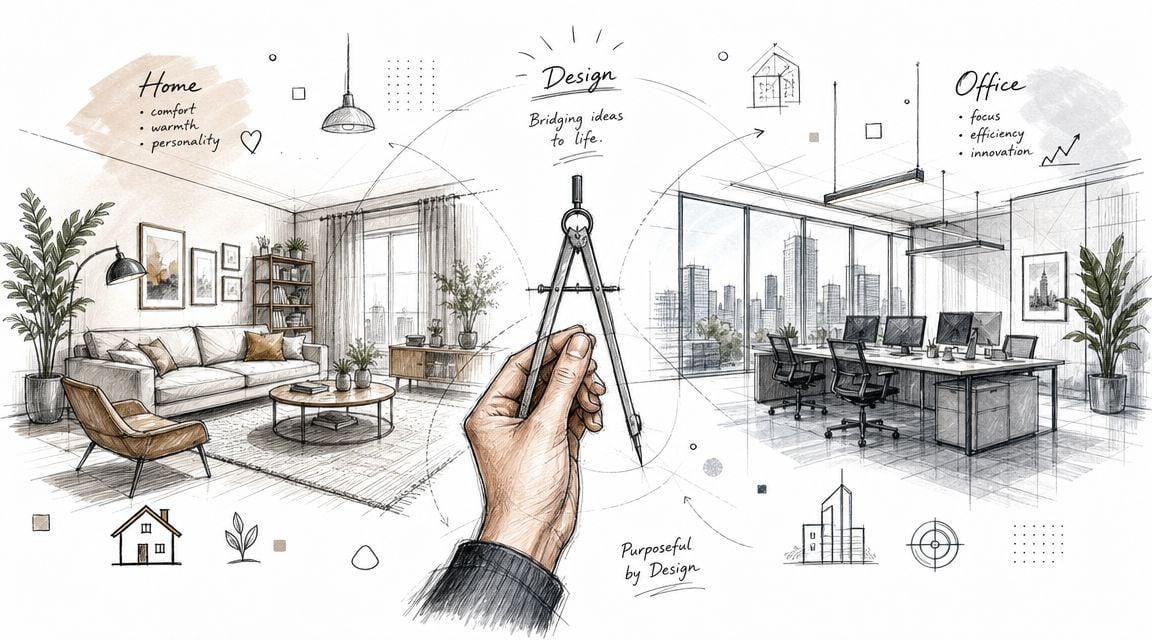
Good design work isn't limited to homes. Families need rooms that support daily life. Business owners need spaces that help people focus, meet, wait comfortably, and move through the day without friction. That broad need is part of why the U.S. interior designers industry was estimated at $26.5 billion in 2026, with demand spread across both residential and non-residential projects, according to IBISWorld's overview of the interior designers industry.
That matters because the best design partner understands both comfort and function.
For the home
A residential consultation often starts with a room that almost works. Maybe the seating doesn't encourage conversation. Maybe the bedroom has storage, but no calm. Maybe the family wants a fresh look without replacing everything.
In a local showroom setting, the conversation tends to be grounded and specific. A household might bring photos of a narrow living room and ask whether a sofa and two chairs make more sense than a large sectional. Another family might want a custom sofas Ohio solution that fits an older home with tricky proportions. A first-time buyer may only need help choosing a rug size, lamp scale, and a more durable fabric for kids or pets.
A consultation can also connect style with longevity. That's especially helpful when someone is furnishing slowly and wants each piece to work with the next one.
For the workplace
Commercial consultations look different, but the core idea is the same. A local office, clinic, waiting area, or conference room still needs a plan that balances appearance with use. The wrong layout can create bottlenecks, crowding, or wasted square footage.
A business owner in Logan County might need help with:
- Reception flow so guests know where to go
- Workstation planning so employees have room to focus
- Conference seating that supports longer meetings comfortably
- Durable finishes that hold up in high-use spaces
A well-planned room doesn't only look polished. It makes everyday tasks easier for the people using it.
Some clients need one executive office. Others need a fuller workplace plan with furniture selection and layout guidance. That's why a provider with both residential and commercial experience can be useful. For readers who want a clear picture of that model, this page on a furniture store with design services shows how product selection and design help can work together in one place.
That kind of range fits a community-minded approach. In Bellefontaine and across Logan County, people often want practical help from someone who understands real homes, real budgets, and real working spaces.
The No-Pressure Consultation Process
A lot of the anxiety around design help comes from not knowing how the process works. People worry they'll be pushed into a larger project, judged for their budget, or rushed into choices. A no-pressure consultation should do the opposite. It should make the next decision easier.
Step one starts with listening
The first conversation is usually simple. A client shares the room, the problem, and what feels off. Sometimes that comes with photos and measurements. Sometimes it starts with a few sentences like, “the room feels crowded,” or “customers walk in and don't know where to wait.”
The designer's job at this stage is to listen for goals, limits, and priorities. That includes style preferences, how the room is used, what pieces need to stay, and where the budget needs to be respected.
A useful early discussion often touches on:
- The space itself such as room shape, traffic flow, and natural light
- The people using it including children, guests, employees, or clients
- The practical needs like storage, seating count, durability, or flexibility
- The design concerns such as color, scale, layout, or mixing old and new pieces
Step two turns ideas into a plan
Once the needs are clear, the consultation moves from problem to options. Layout ideas, finish direction, furniture suggestions, and style edits then come into focus. The point isn't to overwhelm someone with endless choices. The point is to narrow the field so the client can move forward confidently.
Sometimes the answer is surprising. A room may not need more furniture. It may need less. A home office may work better with storage on one wall and open floor area on another. A living room may feel larger when a sofa changes orientation by a few feet.
For clients working through room arrangement questions, it helps to understand the basics of space planning in interior design before making final selections.
The best consultations don't push a style onto a client. They translate the client's needs into a room that works better.
Step three keeps the next move simple
After the meeting, a person should know what to do next. That may mean shopping for one key piece, comparing fabric options, revisiting wall color, or planning the room in phases. A clear consultation doesn't leave someone with vague inspiration only. It gives direction.
That's especially valuable for families balancing furniture, appliances, and other home priorities. A household might be updating a living room while also budgeting for essentials like Speed Queen laundry or planning a stop at a mattress store Logan County shoppers trust. In real life, projects compete for attention. Good consultation help respects that.
The strongest process feels collaborative from start to finish. No pressure. No lecture. Just steady guidance that helps a room come together with fewer wrong turns.
How to Prepare for a Great Consultation

A consultation works best when the client brings a few basics. Nothing fancy is required. A handful of photos, rough measurements, and a sense of daily habits can save time and make the advice much more useful.
Bring the basics
Preparation doesn't need to be perfect. Even simple notes help the designer understand the space and avoid guesswork.
A helpful checklist includes:
- Room measurements with wall lengths, window locations, and door swings
- Photos of the whole space taken from corners and doorways
- Pictures of items staying such as flooring, artwork, tables, or inherited pieces
- Inspiration images that show colors, shapes, or moods the client likes
- A short wish list with needs like more seating, better storage, or easier traffic flow
Someone starting from scratch may also benefit from reading a simple guide on how to start the interior design process for a room so the meeting feels less abstract.
Think about life, not just looks
Many people prepare by collecting pretty pictures. That's useful, but it's only half the job. A room has to fit the way people live. A consultation gets stronger when the client can explain how the space is used.
Questions worth thinking about beforehand include:
- Who uses the room most often
- What frustrates people about it now
- How much wear the furniture needs to handle
- Whether the goal is a quick refresh or a longer-term plan
A beautiful room that doesn't fit daily life won't stay beautiful for long.
It can also help to gather reference material for very specific areas of the home. For example, anyone updating a bath area alongside a larger furnishing project may find The Cabinet Coach's vanity design guide useful for thinking through scale, storage, and visual balance.
The best preparation lowers stress on both sides. It gives the designer clearer information, and it gives the client a better chance of leaving with advice that feels customized instead of generic.
Bringing Your Vision to Life with Custom Furniture
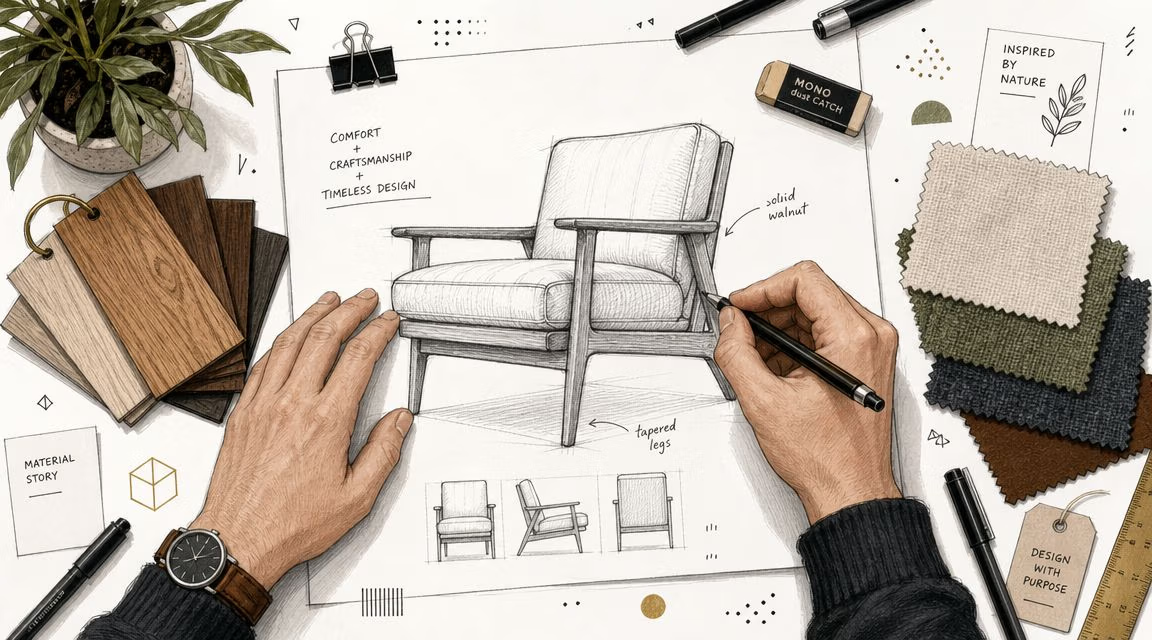
Off-the-floor furniture works well for some rooms. Other spaces need more flexibility. That's where custom furniture becomes part of the design conversation, not as a luxury extra, but as a practical solution.
Why custom solves common room problems
A room might be too narrow for a standard-depth sofa. A family may want performance fabric in a color that's hard to find in stocked pieces. A homeowner may love one arm style and a different leg finish. In those cases, custom ordering helps the room fit the household instead of forcing the household to adapt to whatever happens to be available.
That's especially relevant for people searching for custom sofas Ohio families can build around their actual room size and style. A consultation can identify the exact dimensions and features that matter before anyone places an order.
One local option is Tanger's custom furniture process, which allows shoppers to work through customized choices with design staff. The store's custom offering includes pieces from Flexsteel and Smith Brothers of Berne, both of which are commonly associated with customizable upholstery programs.
What can usually be customized
The practical side of custom furniture is easier to understand when broken into parts. Depending on the piece, clients may be able to adjust:
- Configuration such as sofa length, sectional shape, or seat count
- Covering including fabric, leather, texture, and color
- Comfort like cushion feel or support level
- Finish details such as wood tone, leg style, or trim
- Function including sleepers, reclining features, or storage elements
For a complete room, customization often works best alongside other custom elements. Window treatments are a good example. Readers thinking about proportion, light control, and finish coordination may appreciate these tips for selecting custom window treatments.
Custom doesn't have to mean complicated. At its best, it means the room gets what it needs.
Making Your Project Affordable and Seamless
Beautiful rooms still have to fit real budgets. That's true for a first apartment, a family home, and a growing business. A good design experience respects cost from the beginning instead of treating it like an awkward subject.
Budget matters from the start
A consultation should help narrow choices before money gets spent in the wrong places. Sometimes that means focusing on one anchor piece first. Sometimes it means building the room in stages. Sometimes it means balancing a custom item with simpler supporting pieces.
There's also the question many shoppers quietly carry into the room. Can this project be made manageable month to month? Flexible financing can help with that. For households trying to update more than one area at once, payment options can turn a stressful lump-sum decision into a steadier plan.
A practical budget conversation often includes:
- What needs to happen now versus what can wait
- Where quality matters most such as seating used every day
- Which items can be phased in later
- Whether financing would make the project more comfortable
The Low Price Promise also matters here because value isn't only about the lowest ticket. It's about making sure a buyer feels confident in what the money is buying.
Delivery and service should lower stress
The project doesn't end when selections are made. Furniture still has to arrive, get inside the home or office, and be set up correctly. That part can be harder than people expect, especially with larger pieces, stairways, or tight entry points.
Reliable local delivery changes the experience in a very practical way. It saves time, reduces lifting and risk, and gives the client one less thing to coordinate. Ongoing service matters too. If an adjustment or follow-up issue comes up later, an in-house service request process is a lot more reassuring than being left on one's own.
Good design support includes the heavy lifting, both in planning and in delivery.
That same logic applies across the store. A family choosing seating, a bedroom set, or even household essentials wants the process to feel smooth. The goal is simple. Help people love their home without turning the process into a headache.
Frequently Asked Questions About Our Design Services
Questions tend to get more specific right before someone books a consultation or walks into the showroom. That's normal. Clear answers help people move forward without feeling boxed in.
Is a consultation only for full-room projects
No. A consultation can be useful for a single decision or a single room. Some clients want help choosing a sofa size. Others need advice on room arrangement, color direction, or how to combine new furniture with pieces they already own.
That smaller scope is one reason consultation services feel accessible. They can support a full redesign, but they don't require one.
Does someone have to buy right away
A no-pressure consultation should never feel like a forced shopping trip. The point is guidance. If the client is ready to act, great. If the client needs time to think, measure again, or work through budget details, that's part of a healthy process.
This matters for budget-conscious families in particular. They may be comparing needs across several categories and deciding what to tackle first. Clear advice still helps, even before a purchase happens.
What kinds of spaces can be discussed
Both residential and professional spaces can benefit from consultation help. In the home, common topics include living rooms, bedrooms, dining spaces, entry areas, and multipurpose rooms. In a business setting, discussions often focus on offices, reception zones, conference areas, and customer-facing spaces.
The global market also shows how broad this need has become. Fact.MR states that the global interior design services market was valued at $141.7 billion in 2025, is projected to reach $151.9 billion in 2026, and is forecast to reach $305.8 billion by 2036, reflecting a 7.2% CAGR, with growth tied in part to residential renovation cycles and changes in commercial workspace design, according to Fact.MR's interior design services market report.
What should someone do next
The next step should be simple. Gather a few photos, rough measurements, and a short list of what isn't working. Bring inspiration if it helps, but don't worry about having every detail figured out. That's part of what the consultation is for.
A helpful consultation should leave a person feeling informed, not pressured. It should make home decisions easier, whether the project involves a single room refresh, a custom seating plan, or a more functional office layout.
Visit the showroom in Bellefontaine to see custom options in person or browse the collections online to start the journey with Tanger's Furniture. For households planning a room update, a business workspace, or a budget-conscious furnishing project, flexible financing, the Low Price Promise, local delivery, and in-house service support can make the process feel much more manageable. Anyone with a specific design question can contact the design staff or join the Love Your Home Club for expert tips and exclusive offers.