3 Piece Sectional with Chaise: A Practical Buying Guide


A family starts sliding end tables across the room, trying to answer the same question every first-time sectional shopper asks, can one sofa really fit the whole crew without taking over the house? A 3 piece sectional with chaise usually can, but only if the room, the walkways, and the chaise direction all work together.
This kind of sectional is popular because it gives a room a real lounging spot without adding a separate ottoman. At Tanger's Furniture, the conversation usually starts with the room first, then the frame, then the fabric, which fits a no-pressure showroom style rooted in Bellefontaine and Logan County values, plus a family-owned history that goes back generations.
What a 3 Piece Sectional With Chaise Really Is
A 3 piece sectional with chaise is a modular seating arrangement built from three parts that connect into an L-shape or a U-shape, with one piece set aside as the extended lounging seat. In plain terms, two pieces form the main seating run, and the chaise gives one person a place to stretch out without bringing in a separate ottoman. That structure is why many families choose this format when they want more usefulness from a single footprint.
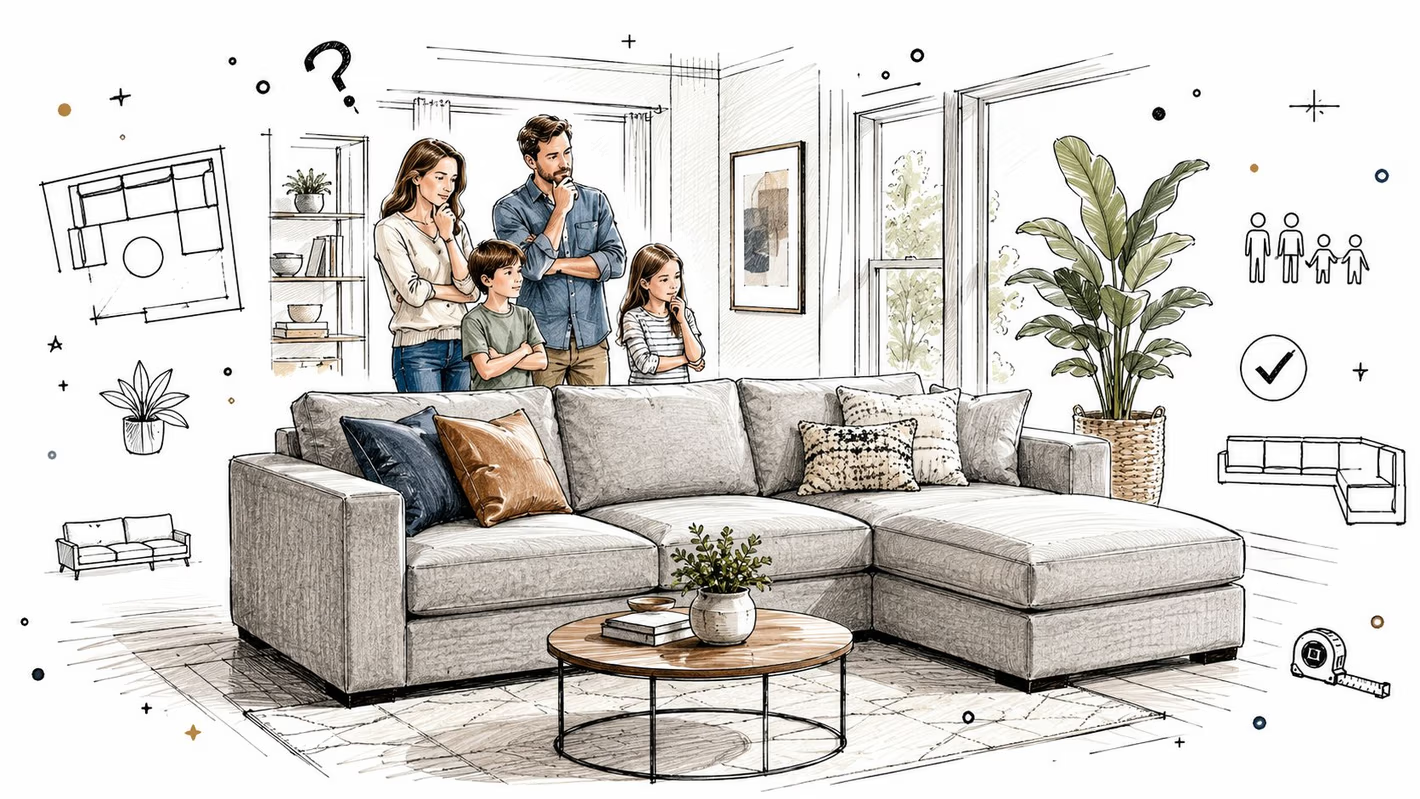
A helpful way to read the shape is simple. A sofa gives you straight-line seating, while a sectional creates a seating zone. A three-piece version can seat 5 to 7 people in many layouts, and the chaise replaces a separate lounge chair or ottoman, which makes the room feel more relaxed source details on sectional seating and layout. Sectional sizes also vary a lot by configuration, so a shopper should expect the footprint to change with the arm style, corner piece, and chaise placement rather than assume one fixed width.
Why shoppers choose this format
- It gives you a place to stretch out. The chaise lets one person recline without adding another loose piece to the room.
- It suits a family-sized seating plan. The shape can feel generous without moving up to a larger multi-piece setup.
- It depends on the layout. The pieces and chaise orientation affect the dimensions, so the name describes the arrangement, not a single size.
For shoppers browsing Bellefontaine furniture, that difference matters. A three-piece chaise sectional is really a room-plan decision dressed up as a product name, which is why the first showroom question should always be, “How do the pieces fit this room?”
A good starting point is a sectional education page like Tanger's sectional basics guide, then bring that understanding to your own walls, door swings, and walking paths.
Measure the Room Before You Measure the Sofa
A sectional that looks right in the showroom can feel oversized once it reaches your living room. The room sets the ultimate limit, because a chaise adds depth where people walk, turn, and set down everyday items. Measure the space first, and the sofa becomes easier to judge on sight. A chaise sectional changes the room's usable depth because the lounge section is attached, so the footprint matters just as much as the seat count layout and footprint guidance.
A tape-and-floor routine that works
Start with the room, then work outward. Measure each wall, note door swings, window placements, and the paths people already use to move through the space. Buying guides also note that sectional depth often falls between 35 and 42 inches, while chaise sections often extend to 60 to 72 inches or more sectional depth and chaise length guidance.
Next, mark the footprint on the floor with painter's tape. Trace the full outline, then walk the route to the kitchen, the TV, and the front door so you can feel where a corner will catch your knee or where the chaise will narrow a passage. For walkway space, many measuring guides suggest leaving 30 to 36 inches clear around a sectional so the room still moves comfortably sectional measuring guidance. That rule matters even more when the chaise reaches farther into the room.
Practical rule: if the taped footprint makes you slow down or sidestep, the sectional is probably too large for that room.
The taped shape also helps you compare fabric and finish choices with a real room in mind. A lighter fabric can make a large footprint feel less heavy, while a deeper shade can make the same outline read as more grounded. That kind of check is easier to do with a marker on the floor than with numbers on a page.
What to bring into the showroom
- Wall measurements. Write down the longest usable wall and any breaks from windows or trim.
- Doorway widths. A beautiful sectional still has to get through the house.
- Stair turns or tight corners. These are the quiet deal-breakers on delivery day.
- Traffic paths. Mark where people naturally move instead of where the furniture looks best on paper.
- Clearance goals. Keep the 30 to 36 inches walkway number in mind when you tape the floor sectional measuring guidance.
A simple checklist like this helps budget-conscious shoppers compare options with less guesswork. It is easier to talk about delivery and financing once the room plan is already clear, and it is easier for custom sofas Ohio shoppers to choose the right configuration before fabric samples even come out.
For a room-first walkthrough, Tanger's Furniture's how to measure furniture guide is a practical place to double-check the basics before visiting the showroom.
Choosing the Right Chaise Orientation for Your Space
The fastest way to settle left-facing versus right-facing is to stand in front of the sectional and look at it head-on. The chaise sticks out on the side it sits on from that view. That one rule prevents a lot of confusion, especially when shoppers are trying to picture how a long room will open up once the sectional lands.

Two room types, two very different results
In a long, narrow living room, a left-facing chaise can keep the main walkway open on the opposite side. That often works better when the front door, hall opening, or kitchen path runs along one edge of the room. The sectional still feels generous, but people don't have to squeeze around the lounge end to move through the space.
In a wider room, a right-facing chaise can anchor the TV wall and define a conversation zone. The chaise gives the room a clear resting point, and the rest of the sectional can frame a coffee table or rug more naturally. The same sectional type can feel calm in one house and crowded in another, all because the orientation changed the traffic pattern.
A few things usually decide the right side:
- Traffic flow. Keep the chaise out of the main path whenever possible.
- Window placement. Avoid blocking light or the only open wall space.
- Coffee table position. The table should still be easy to reach from the chaise end.
- Rug layout. The rug needs to fit the entire seating area, not just the straight section.
Stand facing the sectional, then choose the side where the chaise extends without interrupting the room's natural movement.
That rule is simple enough for a showroom visit, but it also keeps the conversation practical. A good design staffer will ask where the room feels busy, not just which side looks balanced in a sketch. For mattress store Logan County shoppers who are already thinking in terms of room flow and comfort, that same hands-on habit usually makes furniture decisions easier too.
Construction Details That Decide How It Holds Up
A sectional can look sturdy on the floor and still feel loose after a year of use. The reason is usually hidden in the frame, the joints, and the cushion fill. Those parts do the heavy lifting every time someone sits down, shifts position, or uses the chaise as a place to stretch out.
A showroom sample can help you spot the difference. A good staffer will point to the frame construction, the connection hardware between sections, and the cushion core before talking about fabric or color.
What to ask about inside the frame
Start with the frame. A well-built sectional usually uses hardwood or furniture-grade plywood frames, plus reinforced connection points where the three pieces meet. That matters because each module carries weight on its own, then has to stay lined up when the whole piece is assembled and used every day.
The chaise end deserves extra attention. It carries more reach and more movement than a straight seat, so a weak joint there shows up sooner. If you are checking a floor sample, ask how the pieces fasten together and whether the connection is designed to stay tight after repeated use.
Cushion fill matters just as much. Durable seating guidance points shoppers toward high-density foam cushions of at least 1.8 pounds per cubic foot sectional construction guidance. That figure does not explain comfort by itself, but it gives you a solid starting point for support that holds up over time.
Base style changes the feel of the piece
A wood base usually makes the sectional feel lighter near the floor and easier to clean around. A skirted base softens the outline, while a fully upholstered base turns the whole piece into one visual block. The choice changes how heavy the sectional looks before anyone even sits on it.
That is one reason configurable furniture programs matter. A shopper may be able to choose arm style, seat cushion type, and base construction as separate decisions, and each one changes the way the sectional sits in the room configurable sectional options. For a plain overview of the parts that usually shape a sectional, 5 sofa sectional features gives a helpful starting point.
Useful showroom question: ask where the join is reinforced and how the chaise connection is supported before talking about fabric.
For people who like to check what is happening under the cushions, Meliusly's couch support tips explains why support below the seat affects long-term comfort. A strong frame, sound foam, and a sensible base do not draw much attention, but they are what keep the sectional from sagging, shifting, or feeling uneven at the seams.
If a showroom sample feels soft but unstable, the problem is often structural, not decorative. That is the part first-time buyers usually need to hear before they decide what belongs in the room.
Customization Options That Make It Yours
A couple from Bellefontaine walked into the showroom wanting a sectional that could handle weeknight movies, weekend company, and a dog that never stays off the cushions. They didn't need something generic. They needed a layout that fit the room and a fabric that could live with daily use, which is where custom ordering starts to make sense.

The choices that change the whole room
Custom sectional programs usually let shoppers shape the piece in a few important ways. With brands like Smith Brothers of Berne and Flexsteel, shoppers can often adjust the fabric, finish, arm style, seat cushion type, and base construction through a custom order process custom order program overview. That matters because a sectional is a large visual object, so small choices have a big effect on how heavy or light it feels in the room.
A T-cushion usually adds more wrap and lounging surface than a flatter seat style. A wood base can make the piece easier to clean and visually lighter near the floor. Arm style changes the silhouette, too, because a taller, thicker arm can make the sectional feel more substantial while a slimmer arm can open up the room visually.
The Bellefontaine homeowner in that earlier example chose a performance fabric in a family-friendly color, then paired it with a T-cushion for deeper lounging. That kind of choice suits a home where the sectional needs to look polished but still handle everyday life. It's a good fit for shoppers who want custom sofas Ohio options without turning the process into a design project that takes over the whole month.
A showroom conversation worth having
- Fabric feel. Ask how the fabric wears, cleans, and drapes across the chaise.
- Arm profile. Compare how each arm changes the size of the room visually.
- Cushion feel. Sit on the exact cushion style, not just the display frame.
- Base choice. Check whether the base reads clean, sleek, or more relaxed.
- Brand differences. Some custom lines lean firmer, some feel softer, and that's a comfort decision, not just a style one.
The Love Their Home philosophy begins to make sense. A sectional stops being a catalog item and starts acting like a room solution that fits a family's habits, not just a floor plan. For shoppers who want one of the pieces to feel personal, the custom order process gives them that without pressure.
Styling and Care Tips for Everyday Life
A sectional feels easier to live with when the room around it works with the shape instead of fighting it. Start with the rug. It should reach under the front legs and carry under the chaise end so the seating zone reads as one clear area, the way painter's tape marks a room before a move. That simple visual check helps first-time buyers see whether the sofa, chaise, and nearby walkway all fit without crowding each other.
Loose-back cushions need a little attention, too. Rotate and fluff them often, because the chaise usually gets the same body weight in the same spot day after day. That small habit keeps one side from flattening faster than the rest of the piece.
Small habits that keep it looking settled
Spills should be blotted, not rubbed, especially on performance fabrics. Rubbing pushes the mess deeper into the weave and can rough up the surface. For a deeper clean, a guide like how to clean sofa upholstery helps a homeowner match the method to the fabric instead of guessing, and how to keep your sofa clean can offer another useful reference point.
A good weekend routine can stay simple and still make a difference:
- Rotate loose cushions. Move them around so the chaise does not settle into one permanent dip.
- Fluff the corners. Give extra attention to the chaise end, where one person often sits the same way every time.
- Check rug edges. Make sure the sectional still sits naturally on the rug, not half on and half off.
- Choose pet-friendly fabrics wisely. Tight weaves, slipcovers, and leather usually feel easier to live with in busy homes.
A little maintenance goes a long way when one seat gets more use than the others.
Families with kids or pets often do better with fabrics that feel forgiving instead of precious. That might mean a tighter weave, a washable slipcover, or leather that wipes down quickly after a long week. The goal is not perfection. It is a sectional that still looks like it belongs in a real home after a normal Saturday.
Delivery, Financing, and Visiting the Bellefontaine Showroom
A sectional is a big purchase, and the process feels calmer when the store handles the heavy lifting, figuratively. Tanger's delivery team sets up purchases with care, and the in-house service request process gives customers a way to report issues later instead of feeling stranded after setup. For shoppers comparing freight and moving logistics, TLC Moving household goods services is a useful reminder that large pieces need planning long before the truck arrives.
The Low Price Promise gives local shoppers a straightforward value reassurance, and flexible financing helps a bigger room project stay manageable without cutting corners on quality. That matters for families planning around a living room refresh, and it also matters for business owners looking at durable seating or commercial office needs with a space plan in mind. The store's local roots in Bellefontaine and Logan County make that kind of practical support feel personal rather than transactional.
The Love Your Home Club fits the same no-pressure approach. It keeps tips and offers coming without making the decision feel rushed, which is useful for shoppers who want to compare fabrics, revisit dimensions, or come back with a second opinion. It's a simple way to stay connected while the room plan comes together.
For anyone ready to take the next step, Visit our showroom in Bellefontaine to see our custom options in person or browse our collections online to start your journey. Have a specific design question? Contact our design staff today or join our Love Your Home Club for expert tips delivered to your inbox.
Tanger's Furniture can help with room planning, custom sectional options, and delivery support that makes a big purchase feel manageable. If a 3 piece sectional with chaise is on the list, visit Tanger's Furniture to compare layouts, fabrics, and financing in one place, then bring your room measurements and let the design staff help you work through the details.