Executive Office Desk Sets: A Practical Buyer’s Guide


A first-time buyer usually starts the same way. A desk gets picked because it looks serious, the chair gets matched to it, and the room gets called “done” before anyone has tested how a laptop, paper stack, guest chair, and printer fit together. That shortcut is where most office regrets begin.
An executive office desk set should be judged by what it does in daily use, not by how forceful it looks in a catalog photo. The right set shapes traffic flow, keeps storage within reach, supports monitor placement, and makes the room feel composed instead of crowded. That's true in a home study, a corner office, and a small business space that has to look sharp without wasting square footage.
The best sets have a long design lineage. The modern executive look traces back to presidential office furnishings, including the Resolute desk, which has been used by eight presidents, while the Oval Office has had only six different desks since 1909 List of Oval Office desks. That history explains the appeal, but it doesn't decide the purchase. Daily workflow does.
Why a Desk Set Matters More Than a Single Desk
A single desk can look complete on the showroom floor and fail the second the room has to work as a real office. The moment a return, credenza, or storage pedestal gets added, the room changes from a surface with a chair to a system with jobs for every piece. That difference matters whether the buyer is a homeowner carving out a quiet work zone or a manager setting up a professional office that needs to hold up under daily use.
The old presidential standard shows why these sets carry weight. Early executive furnishings were treated as major capital purchases, not casual accessories, and the Theodore Roosevelt desk story makes that plain. The original furniture budget was $10,000, the final spending reached $14,054.77, and the inflation-adjusted figure is cited at roughly $523,000 in 2025 dollars Theodore Roosevelt desk. In other words, executive desks have long been chosen as infrastructure, not decoration.
What the set changes in the room
A coordinated set usually does three things a standalone desk can't:
- It defines circulation. The desk, return, and storage pieces establish where the chair moves and where a guest can sit.
- It creates working zones. One surface handles computer work, another holds reference items, and storage keeps the desktop clear.
- It improves the room's authority. A matched set looks intentional because every component belongs to the same layout.
Practical rule: if the room can't support the full footprint, the set is too large, no matter how good it looks.
For buyers in Bellefontaine and Logan County, that's the question. The right office piece should help someone Love Their Home while still supporting the work that happens inside it. That's why a furniture decision can overlap with custom sofas Ohio, a mattress store Logan County, or even Speed Queen laundry shopping in the same store visit. People aren't shopping categories, they're solving a home life.
What Counts as an Executive Office Desk Set
An executive office desk set is more than a desk with a matching drawer front. It usually combines a main desk, a return or bridge, a credenza, overhead storage or a hutch, and a locking pedestal. In stronger layouts, there's also space for guest seating or a companion table, because the room is expected to handle meetings as well as solo work.
A useful way to think about it is this, the word executive describes footprint, storage, and workflow capacity, not just price. A small desk with one drawer can be attractive and still not qualify as a true set. A larger arrangement with coordinated parts, on the other hand, starts behaving like a room system.
A real layout makes the definition obvious
One commercial example shows the idea clearly. The configuration includes a 71-inch x 36-inch desk, a 48-inch x 24-inch bridge, a 71-inch x 24-inch credenza, a 71-inch x 15-inch hutch, and a 16-inch x 22-inch file pedestal, with an overall footprint of 108 inches wide by 71 inches deep by 65.5 inches high Office Depot product example. That is not a simple desk. It is a planned workspace with distinct stations for sitting, storing, and meeting.
If a product photo shows only a writing surface and chair, it's a desk. If it shows a main workstation with a return, storage, and a defined visitor zone, it's closer to a true executive office desk set. For buyers comparing shapes and components, premium workspace desk options can help illustrate how a cabinet-supported arrangement changes the room's function.
The internal clues to look for
The fastest way to read a product listing is to ask:
- Does it include storage that stays with the desk?
- Is there a bridge, return, or credenza that expands the work zone?
- Is the footprint meant for one person only, or for work plus meetings?
A homeowner browsing desk styles and office layouts should treat those clues as the definition. That's where executive sets stop being a style label and start becoming a usable plan.
Styles and Materials Worth Knowing
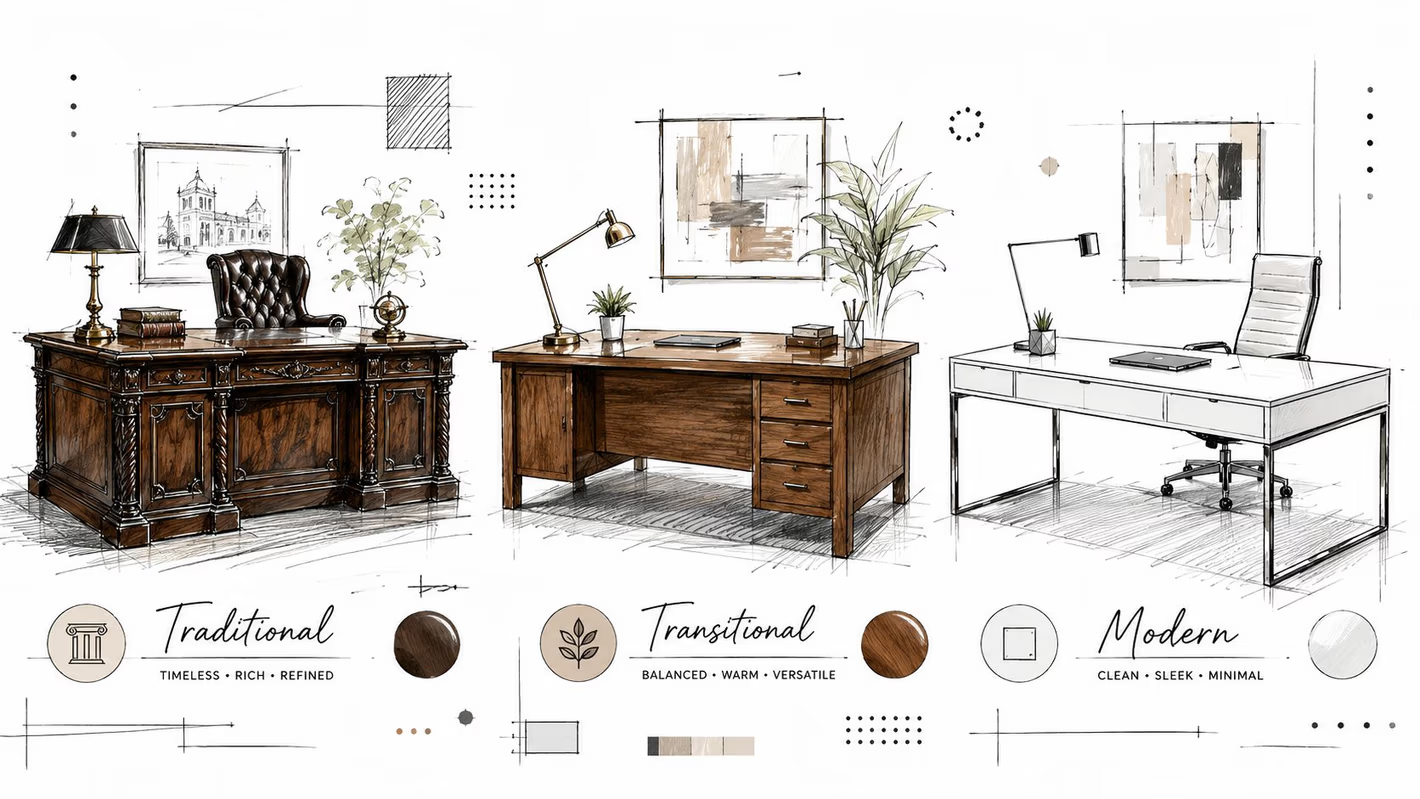
Style matters, but it matters for the room's mood and wear pattern, not as a trophy. Traditional sets usually lean formal, heavier, and more architectural. Transitional pieces soften the edges and work well in homes that mix classic trim with simpler furniture. Modern sets reduce ornament and let the lines do the talking, while executive contemporary land somewhere between polished and restrained.
A buyer should choose the style that fits the room's architecture and the way the office is used. A room with crown molding and deeper wood tones can handle a more traditional profile. A lighter, multipurpose room usually looks cleaner with transitional or modern lines. The wrong style doesn't just look off, it can make the whole office feel borrowed.
Materials tell the truth about durability
Construction details matter more than surface drama. Commercial-grade sets often use 1-inch-thick tops, TFL or laminate finishes, and locking storage, because those choices improve stiffness, wear resistance, and document security in everyday use Office Depot Holland Series example. That's the kind of detail buyers should care about when the desk will hold monitors, printers, files, and constant hand traffic.
Finish options also shape the room's tone. One cataloged set is offered in mahogany, cherry, honey, maple, espresso, or walnut, which shows how the same form can read formal, warm, or understated depending on the surface Color4Office set options. That's especially useful for homeowners trying to tie an office to existing living spaces without making it feel like a corporate copy-paste.
A good companion piece, like a felt surface accessory, can also soften the daily use of a hard desktop. For that kind of finishing touch, find minimalist felt desk mats can help protect the work surface without changing the overall look.
What to favor by buyer type
- Residential buyers: look for finish warmth, visual balance, and edges that don't overwhelm the room.
- Commercial buyers: prioritize stiffness, locking storage, and surfaces that tolerate heavy use.
- Budget-conscious buyers: focus on durable construction first, then choose the finish that fits the room best.
A desk set should feel calm after a long day, not loud in the room. If the finish keeps demanding attention, it's probably the wrong one.
For a closer look at construction choices, solid wood versus engineered wood details help frame the decision without getting lost in jargon.
Sizing and Layout That Work
Start with the room, not the catalog. A standard executive desk is commonly 60 to 72 inches wide, 30 to 36 inches deep, and 29 to 30 inches tall, with larger corner-office versions extending past 72 inches in width executive desk dimensions. Those numbers matter because they keep the buyer from guessing and help the desk fit the space instead of overpowering it.
Depth matters just as much as width. A technically sound setup for dual monitors or document-heavy work typically uses a 750 mm seated work height and a 900 mm depth for the primary work surface, while practical guidance puts the useful depth band at 30 to 36 inches executive desk sizing guidance. That extra depth gives the keyboard, screens, papers, and visitor edge enough room to function without turning the desktop into a crowded strip.
The clearance numbers people ignore
A room can fit a desk and still feel wrong. Layout guidance points to about 36 inches of space behind the chair and about 24 inches of knee clearance under the desktop, with monitor distance, cable routing, and chair movement all affecting comfort executive desk placement guidance.
The practical test is simple:
- Can the chair roll back without hitting a wall or cabinet?
- Can the knees fit comfortably under the work edge?
- Can a guest sit without crowding the door path?
If the chair has to squeeze past the desk every time someone stands up, the layout is already failing.
How to sketch the room
Start with the wall length, the door swing, and the window placement. Then map the desk footprint, not just the top surface. A U-shape can work in a larger room, while an L-shape usually fits more homes and smaller offices without swallowing the floor. A clear space planning pass helps you see how the desk, chair, and walking paths will behave before you buy, which is why space planning basics belongs in the planning phase.
Residential buyers should also think about how the room gets used outside work hours. A desk that blocks the main path or cuts off a seating area will feel wrong every day, even if the finish looks right. Commercial buyers need the same discipline, just with more attention to traffic flow, visitor seating, and storage access. If the room has to support long work sessions, find productivity tips can help you match the layout to the way people sit, reach, and move through the day.
From Pretty Furniture to a Productivity Platform
A bigger desk is not automatically a better desk. Once dual monitors, a docking station, power modules, and charging gear enter the picture, the office stops being about style alone and becomes a workstation platform. Buyers should care less about how imposing the desk looks and more about how it behaves after the laptop, monitor arm, and cables are in place.
For multi-monitor use, the practical depth range lands around 30 to 40 inches, because the setup needs room for screens, writing, and accessory placement executive desk guidance for executives. Sit-stand planning changes the conversation too. Guidance points to roughly 22 to 48 inches for seated-to-standing height range, and integrated cable trays help keep connections from pulling loose during movement.
What really affects daily comfort
The common mistake is buying for presence instead of function. A larger desk can make a smaller office worse if it steals chair travel, increases glare, or blocks the natural path to a window. The room may look more impressive and feel less usable.
The better questions are plain:
- How many screens will sit on the surface?
- Where does the dock or power module go?
- Can the cables move without getting tugged?
For a buyer who wants the office to support real productivity, that is a more honest checklist than finish alone. A useful complement to that mindset is productivity tips for office routines, especially when the room has to serve meetings, emails, and focused work in the same day.
Tanger's custom furniture made simple approach also matters here, because a built-in plan only works if the desk, storage, and finish choices fit the way the room is used. If the equipment has nowhere sensible to live, the whole setup turns into visual clutter.
One rule to keep in mind
The desk should make the equipment easier to use, not make the equipment look more expensive.
That means the room has to be evaluated after the tech plan, not before it. A glossy surface with bad cable flow and poor reach is still a bad desk.
Custom and Commercial Options That Change the Equation
For many buyers, the smartest move isn't choosing a finished box from a warehouse. It's shaping the office around the actual room and the actual work. Tanger's Custom Order process lets a buyer work with design staff who have served Bellefontaine since 1964 to tailor fabrics, finishes, and configurations on select pieces from Smith Brothers of Berne and Flexsteel through the showroom or a digital request form. That matters when the room has awkward dimensions or when the desk has to match the rest of the home.
A custom office plan also helps when the home office lives beside the living room, family room, or bedroom. Matching the desk to the room, rather than forcing the room to accept a generic set, usually leads to a calmer result. That approach fits the same no-pressure mindset people expect from a local showroom in Logan County.
Why business buyers should care
The commercial side is where the value becomes even clearer. A dedicated Commercial Office division can handle executive offices, cubicle systems, ergonomic task seating, conference rooms, and hospitality or waiting-area furniture, along with space planning that ranges from simple layouts to complete CAD drawings. That is a real advantage for businesses that need one coordinated plan instead of a string of disconnected purchases.
For a small-to-medium project, that kind of support reduces mismatched finishes, wasted floor space, and delivery confusion. It also gives the buyer a single point of responsibility, which matters more than a flashy product photo.
The local advantage
A family-owned store can be more responsive when the office project needs measuring, planning, and follow-through. It can also tie the desk decision back to the rest of the house, including living room pieces, bedroom planning, and practical purchases like Speed Queen laundry or mattresses. That broader view is part of what makes local service matter.
Custom work is not about making the purchase complicated. It's about making the room fit the life happening inside it.
For buyers ready to shape a room instead of forcing one, custom furniture made simple is the right place to start.
Cost, Delivery, Financing, and Care
Executive desk sets are usually priced as a system, because that's how they function in the room. The important thing is value clarity, and Tanger's Low Price Promise is built to keep that comparison straightforward. It helps families and business owners judge the full setup without guessing whether the tag reflects the same quality level elsewhere.
Flexible financing matters here too. Large projects don't have to be postponed just because the buyer wants a durable set, and payment options can keep the purchase realistic without forcing a downgrade. That is especially useful for a home office that needs to last or a small business that has to stay on budget.
What happens after the order
Delivery is part of the product, not an afterthought. Tanger's professional delivery team handles the heavy lifting, places the furniture carefully, and removes a lot of the physical strain that comes with large office pieces. If something needs attention later, the online Service Request portal keeps follow-up simple and organized.
For buyers who want to see how payment planning fits the project, how to finance furniture is a sensible next stop.
Keeping the set in good shape
Care should match the material. Laminate and veneer finishes should be cleaned gently, not scrubbed hard, because the goal is to preserve the surface and the edges. Drawer hardware and casters should be checked occasionally for looseness or rough movement, since those parts take the daily punishment that desktops don't.
A service call makes sense when a drawer sticks, a caster drags, or a surface starts showing wear that cleaning won't solve. That's not fussiness, it's maintenance. A good office set should stay useful for years, not just look good on the day it arrives.
A Practical Decision Checklist and Your Next Step
A buyer who walks into the showroom prepared gets a better result. The questions worth answering first are simple. How big is the room, how much clearance is available, and will the desk be single, L-shaped, or U-shaped? What finish fits the room, what tech needs to live on the surface, and does the project need custom or commercial support?
A short checklist keeps the decision grounded:
- Measure the room and chair clearance
- Choose the configuration
- Confirm monitor, dock, and cable needs
- Decide on finish and material
- Set the budget and financing plan
- Plan delivery and setup timing
When those answers are clear, the desk set stops being a guess. It becomes a practical plan for work, storage, and the way the room feels every day.
Visit our showroom in Bellefontaine to see our custom options in person or browse our collections online to start your journey. Have a specific design question? Contact our design staff today or join our Love Your Home Club for expert tips delivered to your inbox.
Tanger's Furniture helps Bellefontaine and Logan County buyers choose executive office desk sets that fit the room, the work, and the budget. Whether the project is residential or commercial, Tanger's can help with custom options, delivery, financing, and service after the sale. Visit Tanger's Furniture to start with a conversation, not pressure.