
Recliner Ottoman Leather Buying Guide


A homeowner in Logan County often starts with a phone photo, a few room measurements, and one practical question: Can a leather recliner and ottoman make the room more comfortable without making it feel crowded? The answer depends less on showroom appearance than on how the pair will be used every evening.
A well-chosen recliner ottoman leather setup can support tired legs, create a flexible surface for a book or tray, and give a living room a finished visual center. The right choice also depends on leather construction, body fit, clearance, maintenance, and whether a stocked piece can work within the room's limits.
What a Leather Recliner Ottoman Really Does for Your Space
A Bellefontaine shopper may walk into a showroom on Columbus Avenue carrying a living-room photo and uncertainty about where to begin. The recliner looks comfortable, but the room needs more than a chair placed beside the television. It needs a setup that supports actual routines, from evening reading to weekend visits with family.
An ottoman acts as the recliner's functional partner. It supports the feet beyond the chair's built-in mechanism, gives a person a place to rest a book or serving tray, and helps define the seating zone without adding another full-size chair. In an open room, the ottoman can also soften the transition between the recliner and the rest of the furniture.
The form itself has a long history. The ottoman began in the Ottoman Empire in modern-day Turkey as a low wooden platform covered with piled cushions, then spread into Europe in the late 1700s. That history fits the piece's enduring purpose, a low, flexible support surface that combines comfort and utility. The historical background of the ottoman) also helps explain why the form continues to adapt across living rooms, bedrooms, and professional lounges.
A partner, not an afterthought
The best pair looks intentional because the scale, leather tone, stitching, and base finish work together. A small ottoman beside a large recliner can look lost, while an oversized storage piece can overwhelm a narrow walkway.
A round leather ottoman can create a softer profile in a compact room, especially where sharp corners would interfere with circulation. Shoppers comparing shapes can review Tanger's round leather ottoman collection while considering whether the piece needs to serve feet, guests, storage, or all three.
Leather remains a substantial upholstery choice rather than a fringe luxury. One industry summary reported that leather represented 34% of retail upholstery sales and 29% of upholstery unit sales in the prior year at the time of its report, covering seating categories such as recliners and ottomans. Furniture Today's leather upholstery summary provides useful market context for shoppers who want a material with broad, established demand.
Understanding Leather Types and How They Age
Leather labels matter, but the label alone doesn't tell the whole story. A buyer needs to know how the hide was finished, how much surface correction it received, and whether the ottoman will face daily feet, pets, snacks, and shifting weight.
Match the leather to the routine
Full-grain leather keeps the natural grain and usually develops visible character as it ages. It suits buyers who appreciate markings and patina rather than expecting a perfectly uniform surface. On an ottoman, that natural variation can make wear look intentional, but the owner must accept that the material may show life quickly.
Top-grain leather has the natural surface refined to create a more consistent appearance while retaining a durable leather structure. It's a strong choice for a family living room when the household wants genuine leather with a cleaner, more controlled look.
Corrected-grain leather receives more surface treatment to even out markings and color. It can offer a predictable appearance and a more approachable price, but its feel and aging pattern depend heavily on the coating and finishing process.
Bonded leather uses leather fibers combined with other materials and typically sits at the entry price point. It may work for occasional use, but it isn't the recommendation for an ottoman expected to handle years of daily foot traffic.
Finish changes the maintenance conversation
Aniline-dyed leather shows more of the hide's natural character and can feel softer and more breathable. It also tends to reveal spills, fading, and surface marks more readily. Finished or protected leather generally resists everyday soil better, though a heavy coating can feel stiffer and may limit how effectively conditioners penetrate.
The term “genuine leather” shouldn't end the conversation. Independent buying guidance emphasizes checking the exact leather grade, tanning method, finish, and care requirements because vague labels can conceal major differences in durability and maintenance. A practical upholstery-material guide can help shoppers compare materials before selecting a recliner ottoman leather combination.
| Leather Type | Look and Feel | Durability | Best For |
|---|---|---|---|
| Full-grain | Natural markings, rich feel, develops patina | Strong, with visible aging | Buyers who value natural character |
| Top-grain | Refined grain, consistent appearance | Strong for regular residential use | Family rooms and daily lounging |
| Corrected-grain | Uniform color and surface | Depends on coating and construction | Budget-aware buyers wanting a consistent look |
| Bonded | More manufactured feel | Shortest expected service path among these options | Occasional use and entry-level budgets |
The ottoman top deserves special attention because hands, shoes, knees, and pets often contact the same panels repeatedly. A leather that looks attractive in a sample may not be the right choice if the finish can't tolerate the household's actual habits.
Sizing and Matching the Ottoman to Your Recliner
A recliner and ottoman should function as one seating arrangement, not two unrelated purchases. The most important measurement is the ottoman's height relative to the seated person's legs.
Start with the seated position
The ottoman top should land approximately level with, or slightly below, the seated user's knees. That position supports the legs without forcing the knees upward or leaving the feet unsupported. Taller users may need a deeper recliner and a longer ottoman, while shorter users often need a lower surface and a seat depth that doesn't push the back away from the lumbar support.
Measure the recliner seat height from the floor to the top of the cushion. Then measure the ottoman from the floor to its usable top surface. Measurements should be taken from the actual cushions, not only from a product listing, because padding changes the seated relationship.
Depth matters just as much. A very shallow ottoman can make a large recliner feel visually unbalanced, while a deep ottoman can block a walkway or dominate a smaller room. Compare the ottoman depth with the recliner's overall depth and leave enough open floor for people to move around it.
Protect the recline path
A recliner needs clearance for the footrest and back. The ottoman must sit far enough away that the extended footrest won't collide with it, yet close enough to support the legs. Wall-hugger and power mechanisms can have different clearance requirements, so the manufacturer's specifications should guide the final placement.
Practical rule: Bring a room photo, a simple floor sketch, and the recliner's measurements to the showroom. A consultant can assess proportion more accurately when the real room constraints are visible.
Matching doesn't require identical leather. A close tone, compatible stitching, and a coordinated leg or base finish can make contrasting pieces look deliberate. The safest approach is to compare swatches in the room's natural light and check the pair from seated eye level.
Before shopping, use Tanger's furniture measuring guide to record doorways, wall lengths, walkways, and the recliner's full operating area. Those details prevent a comfortable showroom choice from becoming a difficult delivery problem.
Features Worth Considering Before You Buy
The right feature is the one that solves a repeated household problem. A matching ottoman may be enough for a reader who wants leg support, while a family may need storage, mobility, or a surface that works during gatherings.
Compare the everyday choices
A matching ottoman offers the cleanest visual result and usually provides a generous footrest without adding mechanical complexity. A built-in extendable footrest keeps the footprint compact and suits rooms where a separate piece would obstruct traffic. It won't provide an extra tray surface or flexible seating position, though.
A storage ottoman earns its space when blankets, remotes, gaming accessories, or reading materials need a home. It becomes a poor choice when the room is already tight and the lid needs a clear opening path.
A swivel base helps when the recliner faces a television in a corner or when the user regularly turns toward conversation. A stationary base feels steadier and may suit a more formal layout. Casters can help reposition the ottoman, but they can also let it drift away from the recliner during use.
| Feature | Best For | Watch Out For |
|---|---|---|
| Matching ottoman | Coordinated appearance and extended leg support | Needs separate floor space |
| Built-in footrest | Compact rooms and simple operation | Doesn't provide a movable surface |
| Storage compartment | Blankets, remotes, and household clutter | Lid clearance and added visual bulk |
| Swivel base | Open plans and television corner layouts | Movement may feel less stationary |
| Casters | Frequent rearranging | Unwanted rolling on smooth floors |
| Rocking or gliding motion | Users who enjoy gentle movement | May not suit every recliner mechanism |
A useful decision prompt is simple: What will happen around the piece every day? If the answer involves snacks, pets, and children, prioritize a protected finish and easy cleaning. If the answer involves reading and conversation, prioritize height, swivel access, and a stable surface.
Tanger's Living Room collection gives residential shoppers a place to compare recliners, ottomans, and coordinating pieces without treating the ottoman as an isolated accessory.
Caring for Leather So It Lasts
Leather lasts longest when care matches use. An ottoman top faces shoes, pets, spills, and repeated pressure, so it often shows soil and wear before the recliner arms or back.
Technical guidance for upholstery leather uses abrasion testing such as the Martindale method, within the ISO 17076-2 and ISO 12947 family. Higher cycle counts indicate better resistance to repetitive rubbing. Guidance places light residential leather around 15,000 cycles, residential or contract leather around 25,000 to 40,000 cycles, and heavy commercial leather at 50,000 to 80,000 or more cycles. Technical upholstery abrasion guidance offers the useful framework, but buyers should still ask how the specific finish behaves in real use.
Use a simple care rhythm
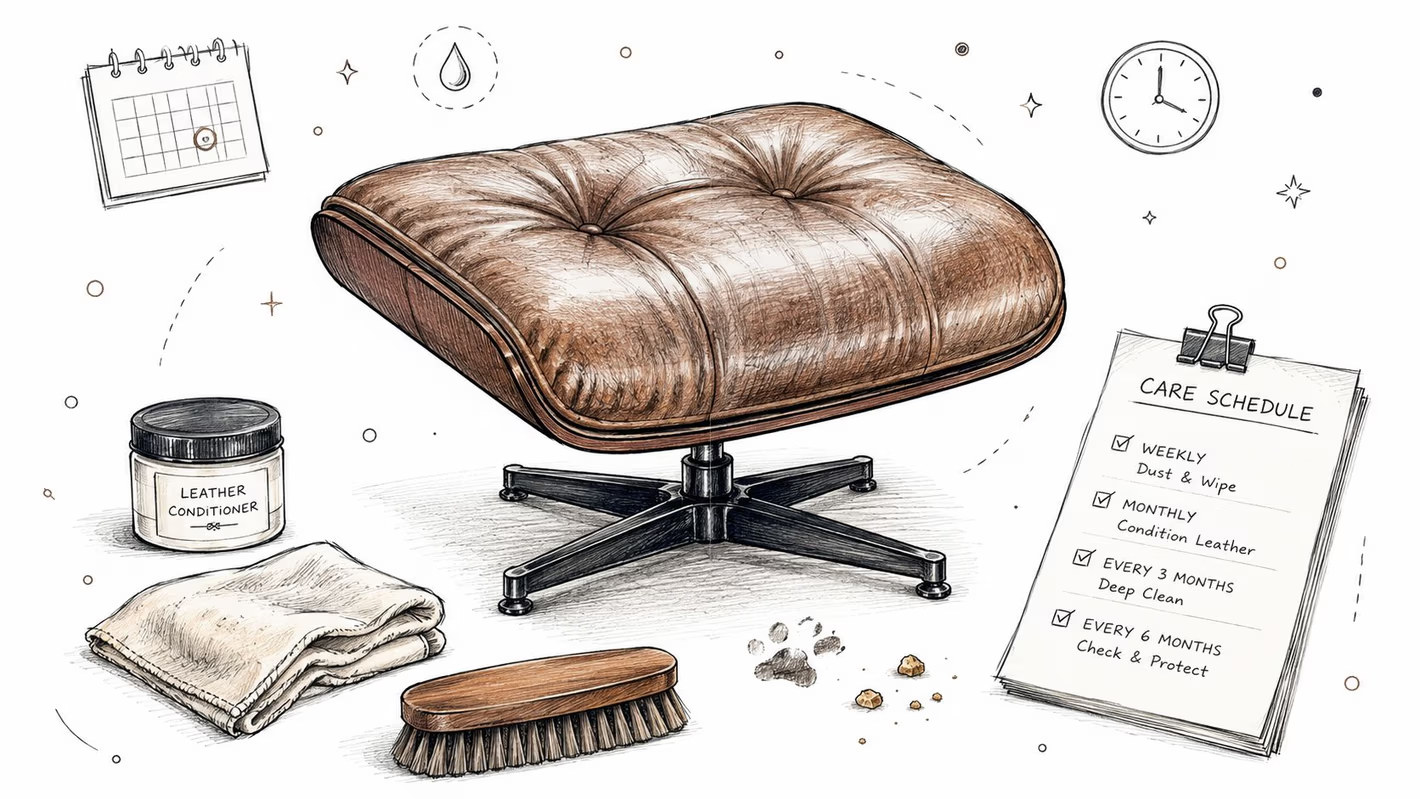
- Every week: Dust with a soft cloth or vacuum using a suitable brush attachment. Remove grit before it works into seams and surface texture.
- Every few months: Use a pH-balanced leather cleaner and conditioner. Expert care guidance recommends conditioning leather every 3 to 6 months, with placement away from direct sun and heating vents.
- After spills: Blot promptly with a clean cloth. Don't scrub, soak, or reach for bleach, ammonia, silicone polish, or an all-purpose household cleaner.
- During inspections: Check the top panel, front edge, seams, and corners. Those areas receive the most contact and reveal problems early.
Direct sunlight, dry heat, body oils, and repeated flexing can remove natural oils, accelerate fading, and contribute to cracking. A sealed or stain-resistant finish generally makes more sense for a high-use family room than highly absorbent unfinished leather.
Owners seeking a deeper cleaning plan can review guidance on the top reasons for professional cleaning, especially when a high-traffic ottoman has embedded soil or a noticeable color change. For routine household maintenance, Tanger's upholstery cleaning guide provides a practical starting point.
Customizing Through Tanger's Custom Order Program
Stocked leather recliner ottomans work when the room, body fit, color, and budget all align at once. That combination isn't guaranteed. A wall may be too short, a doorway may limit depth, or the available brown may clash with existing flooring and cabinetry.
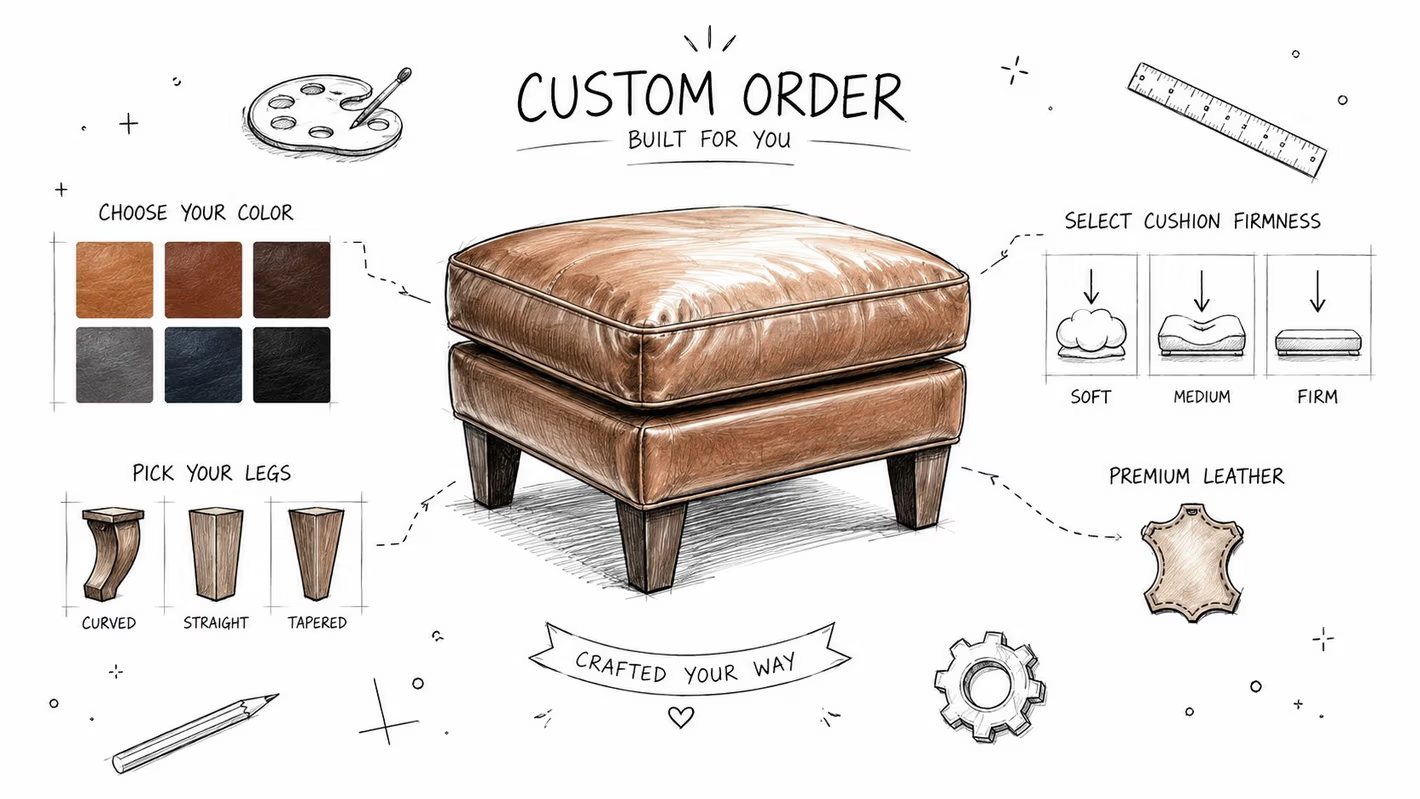
Customization solves those problems at the source. Tanger's Custom Order program lets shoppers work with trained design staff to adjust selected pieces from brands such as Flexsteel and Smith Brothers of Berne. The program is especially useful when a recliner needs a matching ottoman with a non-standard height, depth, or leather selection.
Choose the details that affect daily use
A custom discussion should begin with function, not color. The household can identify the user's height, preferred seat firmness, room traffic, pet activity, and cleaning tolerance before choosing the surface.
Depending on the selected frame and manufacturer, customization may address:
- Leather grade: Natural-grain, top-grain, performance, or family-friendly options can be evaluated against use.
- Color: Swatches can be compared with flooring, wall paint, rugs, and existing seating.
- Base finish: Legs or bases can coordinate with nearby wood, metal, or case goods.
- Stitching: Seam details can help the ottoman read as part of the recliner rather than a later addition.
- Sizing: A non-standard recliner may need an ottoman built to a specific height or depth.
- Comfort: Cushion firmness and support can be discussed before the order is finalized.
The program isn't a reason to overdesign a room. It's a way to avoid compromising on the details that determine whether the piece works every day. A family may choose a protected finish and firm cushion, while an occasional reader may prefer a softer surface with more visible grain character.
Set expectations before production
Custom orders require clear confirmation of the selected leather, color, configuration, dimensions, and finish before production begins. Shoppers should ask about deposits, order changes, estimated factory production, and transit so the schedule is understood before approval.
The process works best when the room measurements and recliner specifications are available at the consultation. Tanger's Custom Order starting guide helps shoppers prepare for that conversation, especially when a standard showroom piece falls short.
The same planning discipline applies to professional spaces. Tanger's Commercial Office division supports small-to-medium projects with furniture selection and space planning, including CAD-based layouts for offices, conference rooms, waiting areas, and workstations. Commercial dealers commonly use AutoCAD and Revit-family files for accurate, to-scale layouts and specification documents, while professional planning workflows turn headcount, work styles, adjacencies, and growth needs into furniture placements and circulation paths. Commercial furniture planning services and workspace planning guidance show how drawings, bills of materials, finish schedules, and installation notes support a project from selection through placement.
Delivery Service Financing and Your Next Step
A leather recliner ottoman purchase isn't finished when the order is placed. The last questions usually involve getting the pieces through the doorway, setting them correctly, handling an old chair, and paying in a way that fits the household or business budget.
For local residential customers, in-house delivery can include room-of-choice placement, packaging removal, basic assembly of recliner bases, and haul-away of old furniture when requested. The exact scope should be confirmed before delivery, especially for tight stairways, unusual entrances, or pieces requiring specialized handling.
Stocked pieces generally move on a different schedule from Custom Order builds. A stocked setup may be arranged around current availability and local delivery routes, while a custom build requires manufacturer production and transit. The sales staff should provide the current estimate in writing rather than promising a fixed window before the order details are confirmed.

Plan the purchase around the whole project
Tanger's flexible payment options are available for residential and commercial projects, helping budget-conscious families and business owners consider quality, fit, delivery, and service together. Financing offers depend on written terms, and consumer credit disclosures under the Truth in Lending Act identify important costs and repayment details. Tanger's Financing information should be reviewed alongside the specific offer before approval.
The Low Price Promise adds value protection to the conversation, while the Love Your Home Club gives local shoppers a way to receive exclusive offers and ongoing furniture guidance. Price-promising programs and promotional financing are policy-driven, so exclusions and repayment requirements should be read carefully before signing.
Local reliability matters after installation, too. Tanger handles in-house service requests, allowing customers to report concerns and request follow-up without starting the search for help from scratch. That service approach fits Bellefontaine and Logan County households that want a furniture partner for the full ownership experience, not only the initial sale.
The same showroom can support broader home decisions, including Bellefontaine furniture, custom sofas Ohio shoppers can tailor, Speed Queen laundry, and a mattress store Logan County families can visit when furnishing more than one room.
Visit Tanger's Furniture to compare leather recliner ottoman options, discuss custom sizing, and arrange local delivery and service in Bellefontaine. A specific design question can go to the design staff, or shoppers can join the Love Your Home Club for expert tips and exclusive offers delivered to their inbox.