Sleeper Sofa Quality: What Truly Sets the Best Apart


A sleeper sofa can look perfect in a showroom and still become the least comfortable seat in the house. Two models may share a similar silhouette, fabric color, and price range, yet one can remain supportive through family visits while the other develops a sagging seat and a stubborn opening mechanism. For a Bellefontaine or Logan County household, that difference matters most when the sofa serves as both everyday seating and the bed used during holidays, visits, and busy stretches of family life.
Sleeper sofa quality isn't one feature. It's a system made up of the frame, mechanism, mattress, upholstery, warranty, maintenance routine, and service support. Each part affects the others, so a strong mattress can't fully compensate for a weak frame, and attractive upholstery won't rescue a mechanism that binds every time the bed opens.
What Sleeper Sofa Quality Really Means
A first-time buyer often starts with the visible details. The arms look right, the fabric fits the room, and the sofa seems comfortable when it's upright. Those details matter, but they only describe the outer layer of the product. The more useful question is how the entire piece performs after repeated sitting, sleeping, folding, cleaning, and moving.
Think in systems, not isolated parts
The frame carries the load. The mechanism transfers that load whenever the sofa changes positions. The mattress needs enough structure to support a sleeper without exposing the hardware beneath it, while the upholstery must tolerate daily contact, spills, pets, and shifting cushions. Warranty terms and local service then determine how manageable ownership remains when a component needs attention.
A weakness in any one area can undermine the rest. A thick mattress may feel inviting in the showroom, but a loose mechanism can create an uneven sleeping surface. A sturdy frame may last for years, but a low-resilience cushion can still make the sofa feel tired long before the structure fails.
The right question depends on use
A sleeper used only for occasional guests has different requirements from one used as a regular bed. Rare use places less stress on the opening system, while nightly or frequent conversion asks the frame and mechanism to perform like working equipment. Buyer guidance reports that sleeper mechanisms and mattresses may last 10 years or more with rare use, but frequent use can reduce service life to 3–5 years or less (furniture buyer guidance).
That range changes the buying conversation. A family that hosts relatives through every holiday may need stronger construction and easier maintenance than a household that opens the bed only a few times a year. A renter may prioritize compact storage and manageable conversion, while a homeowner may focus on upholstery replacement, frame support, and long-term style.
Practical rule: The more often a sleeper sofa becomes a bed, the more it should be evaluated like a bed system rather than an occasional couch accessory.
There isn't one universally correct sleeper. The useful standard is a piece whose frame, mechanism, mattress, fabric, and support plan match the household's actual routine. That approach helps buyers compare value without assuming the cheapest option or the most expensive option automatically delivers the right result.
Frame and Mechanism as the Hidden Backbone
The frame and mechanism form the sleeper sofa's working backbone. Shoppers rarely see those components once the upholstery is in place, but they feel the results through wobble, noise, uneven support, and difficult conversion.
What to inspect inside the frame
Kiln-dried hardwood is commonly valued because controlled drying removes much of the moisture that can contribute to later movement. A well-built frame also uses reinforced joints, such as corner blocks and mortise-and-tenon connections. In plain language, those methods connect the rails and posts with more than a thin fastener or a surface attachment.
A hardboard or particleboard base can keep a sofa affordable, but it may not tolerate repeated movement as well as a properly reinforced wood structure. Metal rails can also become a concern when they flex, loosen, or create a hard transition beneath the mattress. A showroom inspection can't reveal everything, but a buyer can still listen for hollow sounds, check for side-to-side movement, and ask which components carry the warranty.
The mechanism should glide rather than fight the person operating it. Consumer guidance identifies smooth, quiet operation and secure locking as practical durability signals because rough conversion can strain the structure over time.
Comparing common mechanisms
| Mechanism Type | Typical Durability | Comfort Level | Storage |
|---|---|---|---|
| Pull-out | Depends heavily on frame, rails, and hardware quality | Can vary because the mattress folds over internal support | Often limited by the stored bed |
| Click-clack | Fewer moving parts can simplify conversion | Flat position may feel even, but seat and back construction matter | Usually offers limited hidden space |
| Three-fold | Familiar design with a separate folding mattress | Mattress thickness and support deck determine comfort | Often leaves room beneath cushions, but available space varies |
Traditional bar-and-spring pullouts have been criticized in buyer guidance for comfort and usability, while easier fold-out systems are preferred for smoother operation and better sleep performance. A premium sleep system may also carry a 10-year sleep-system warranty and a limited lifetime frame warranty, which can serve as a practical signal that the manufacturer expects the major components to perform under normal residential use.
A showroom check should include more than a quick tug. Lift the deck when possible, look for supported slats or a stable platform, and test the movement without jerking. A sleeper sofa should feel controlled in both directions.
For a broader look at structural details that apply to seating furniture, shoppers can review five things to look for in a new sofa or chair. The same principle applies here: visible style starts the conversation, but hidden construction determines whether the piece keeps earning its floor space.
Mattress Density, Thickness, and Real Sleep Comfort
A sleeper sofa can look comfortable in the showroom yet feel very different after repeated nights in a Logan County home. The mattress, support deck, folding mechanism, and frame work as one system. A strong mattress cannot fully correct a flexing platform, just as a sturdy frame cannot make a thin, poorly supported sleep surface comfortable.
Read density as a resilience signal
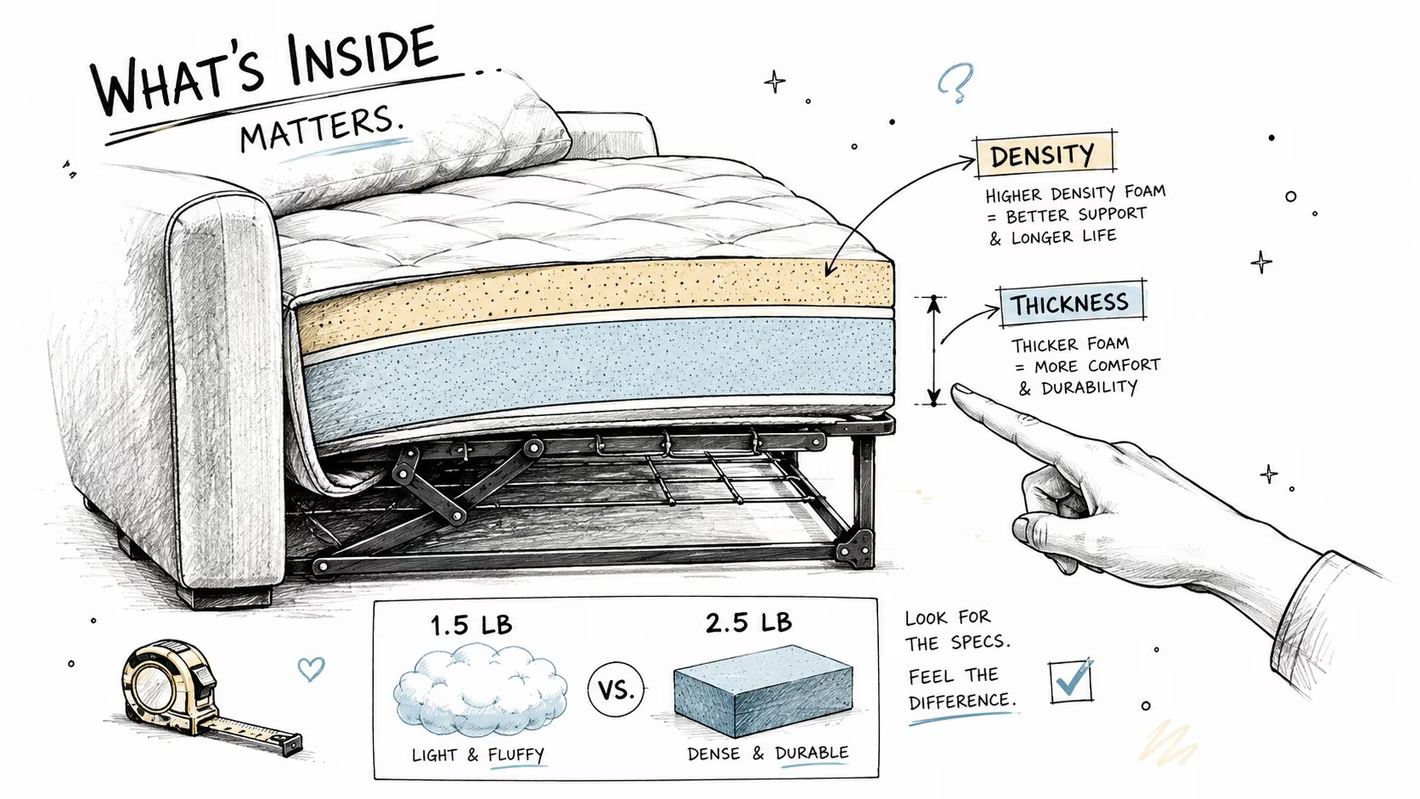
Density describes how much foam material is packed into a given volume, while thickness describes the distance between the sleeper and the support structure below. Density gives buyers a useful clue about how well foam may resist sagging and breakdown over years of sitting, folding, and sleeping. Foam density around 1.8 pounds per cubic foot is commonly cited as a practical quality benchmark for good foam quality.
Density does not equal firmness. A denser foam can feel soft, medium, or firm, depending on its formulation and the layers around it. Ask for both specifications. A firm feel does not automatically indicate long service life, and a softer feel does not automatically mean the mattress will wear out quickly.
Thickness changes the sleeping experience
A thin mattress leaves less material between the body and the hardware beneath it. Sleepers may notice support bars, joints, or pressure points, especially when the sofa serves as a bed regularly. Buying guidance commonly describes 4–5 inches as typical, with 5 inches or more as preferable for comfort, while other guidance recommends roughly 5–6 inches of structured support.
The support deck still matters. Even a mattress with useful thickness can feel harsh if the platform flexes unevenly or the mechanism creates concentrated pressure. Examine the mattress and the structure beneath it together, because comfort depends on how those parts distribute weight over time.
Match the mattress to the sleeper
Medium-firm designs often balance cushioning and support for different sleeping positions. Side sleepers may need more pressure relief at the shoulder and hip. Back and stomach sleepers often need a steadier surface that limits sinking. Innerspring, memory foam, and hybrid constructions each create a different response, so the internal layers matter more than the label.
Use frequency as the deciding factor. Occasional guests may do well with a simpler mattress, while regular sleepers should examine density, thickness, folding behavior, and next-morning support. Room conditions can affect comfort too. Covenant Aire Solutions humidifier advice offers a related consideration for bedroom air comfort.
A detailed guide to choosing a mattress can help clarify support needs. Choose the mattress for the number of nights it will serve, not for an imagined use pattern.
Upholstery Choices for Everyday Living
Upholstery has to handle two jobs on a sleeper sofa. It must look appropriate as a daily living room piece, and it must tolerate the friction and movement created when the sofa converts into a bed.
Comparing fabrics by household reality
Everyday woven fabrics can offer warmth, texture, and broad design flexibility. Performance weaves usually add treated fibers, stronger construction, useful cleanability codes, and high abrasion ratings. A commonly referenced performance threshold is above 30,000 double rubs, but the number should be read alongside the fabric's cleaning instructions and the manufacturer's intended use.
Leather breathes well and develops a changing surface character, though it can feel cool in winter and stretch around cushions. Microfiber can suit households with pets because its tight surface often resists claw snags and allows many messes to be wiped away. Budget polyester may cost less at purchase, but some lower-grade versions can pill or hold stains more readily.
| Fabric Type | Durability (Double Rubs) | Cleanability | Best For |
|---|---|---|---|
| Everyday woven fabric | Varies by construction | Follow the fabric code | Balanced style and normal household use |
| Performance weave | Often rated above 30,000 when specified as performance-grade | Usually designed for easier routine care | Busy families and frequent seating |
| Leather | Not measured through fabric double-rub ratings | Wipe care and conditioning requirements vary | Structured, breathable upholstery with a changing finish |
| Microfiber | Depends on fiber and backing | Often practical for spot cleaning | Pet-friendly rooms and active households |
| Slipcovered fabric | Depends on the cover material | Removable options may simplify cleaning | Homes that value replaceable or washable covers |
Don't overlook cushion construction
Foam-wrapped cushions generally hold a clearer shape because the foam supplies the core and the wrap softens the outer feel. Pure fiber cushions can feel plush at first, but they usually need more regular fluffing and may develop a softer, less structured profile through years of nightly use.
Removable covers can make cleaning and future refreshes easier, though they may create a looser, more relaxed appearance and limit pattern choices. A tightly upholstered fabric can look more formal, while a slipcover may fit a relaxed family room better.
Shoppers comparing Bellefontaine furniture options can use this upholstery materials guide to connect fiber type, cleaning needs, and design preferences. For custom sofas in Ohio, fabric selection is often where a practical piece becomes a better match for the household rather than an out-of-the-box compromise.
Reading Warranty Terms and Weight Capacity
A sleeper sofa in a Logan County home may serve as a daily seat, an occasional bed, and a moving mechanical system. Its warranty should reflect that whole system. Read the document for separate terms covering the frame, mechanism, mattress, upholstery, labor, and exclusions. A broad promise about quality gives less useful information than clear responsibility for each working part.
Translate the fine print
A frame warranty may cover structural failure while excluding fabric wear. A mechanism warranty may last for a defined term, while mattress coverage can become prorated after its first year. Cleaning mistakes, moving damage, commercial use, and events outside the manufacturer's control may also be excluded.
Some premium sleeper lines advertise a 10-year sleep-system warranty and a limited lifetime frame warranty. Confirm exactly which components those terms cover with the sleeper sofa warranty guidance. A warranty works like a map of responsibility. It does not replace an inspection of the sofa's frame, opening action, mattress, or upholstery.
Check these points before signing an order:
- Component terms: Confirm the coverage period for the frame, mechanism, mattress, and upholstery separately.
- Transfer rules: Ask whether protection stays with the furniture if the home changes ownership.
- Labor coverage: Determine whether diagnosis, pickup, repair, and installation create separate charges.
- Claim process: Request the documents, photos, service contact, and timing required for a claim.
- Use exclusions: Check whether regular sleeping, rental use, or commercial placement changes coverage.
Use capacity as a structural clue
Capacity helps reveal how the frame, rails, mechanism, and locking parts are expected to work together. Published ratings may range from roughly 250 to 500 pounds for twin or twin-adjacent models and up to about 650 pounds for queen or king models, but the rating should be checked against the specific model rather than treated as a universal rule.
Include everyone who will use the bed, not only the person placing the order. Two adults staying overnight place different demands on the system than one occasional guest. Compare the full rating for the intended size, then ask whether the frame, rails, and locking components support that pattern of use.
For added protection, review the benefits of an extended warranty alongside the manufacturer's terms. The strongest choice is not automatically the longest warranty. Look for clear coverage, realistic exclusions, and a claim process that a Logan County household can use.
Maintenance, Service Life, and Long-Term Value
Sleeper sofas experience more movement than ordinary couches because the owner uses the seating surface, mattress, and conversion mechanism in one product. Maintenance doesn't turn a weak sofa into a strong one, but it can help a well-built system perform more consistently.
Small habits protect the working parts
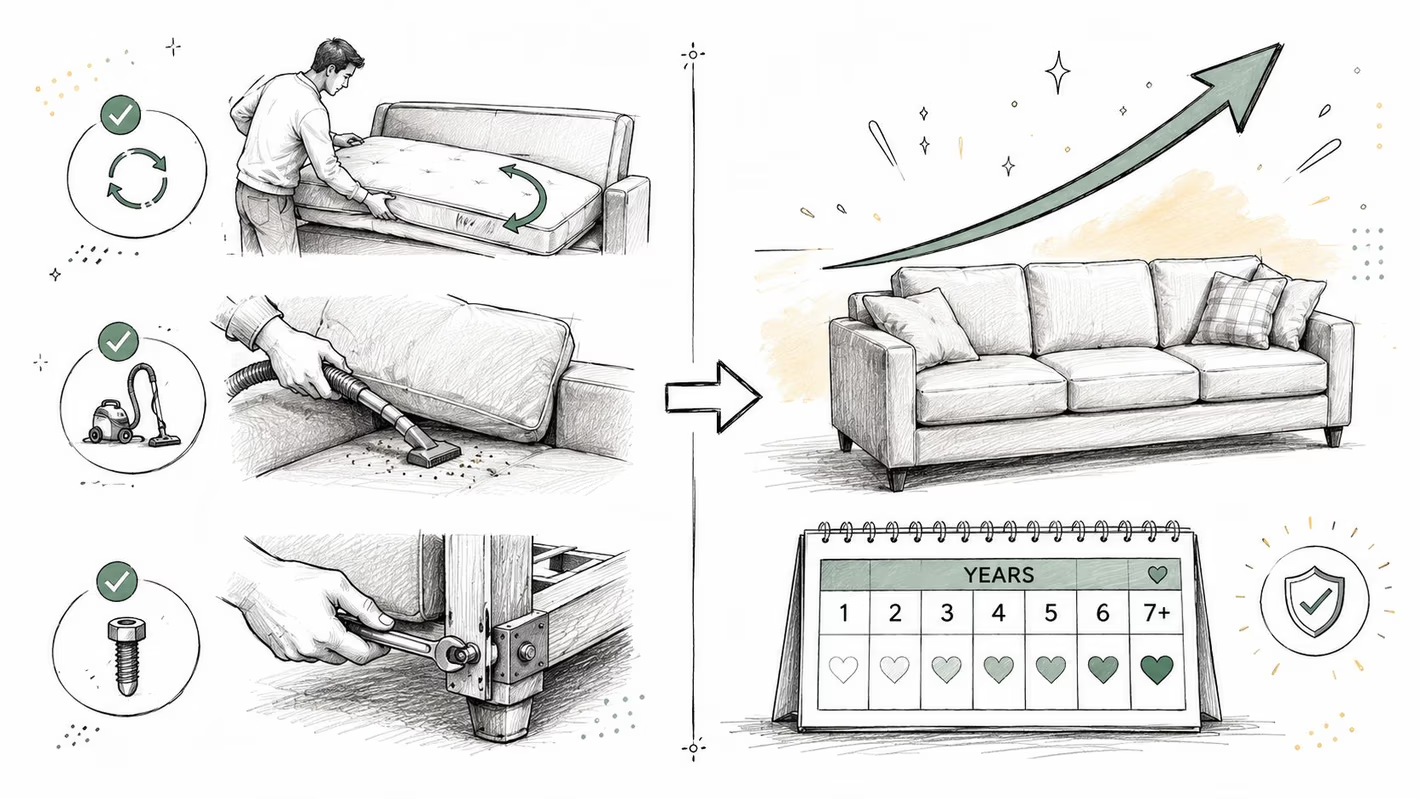
Rotate the mattress every few months when the design allows it. Vacuum beneath and between cushions so grit doesn't work into the upholstery or mechanism, and check visible bolts or fasteners each spring for loosening. The owner should also operate the mechanism gently and avoid forcing it when bedding or cushions are caught in the path.
A useful service plan includes:
- Mattress checks: Look for uneven compression, new pressure points, or a loss of support.
- Mechanism checks: Listen for scraping, binding, or changes in locking behavior.
- Frame checks: Watch for rocking, creaking, or movement at the arms and corners.
- Upholstery checks: Treat spills according to the fabric code rather than applying an untested cleaner.
- Service records: Keep the purchase documents and warranty information together.
Calculate value beyond the ticket price
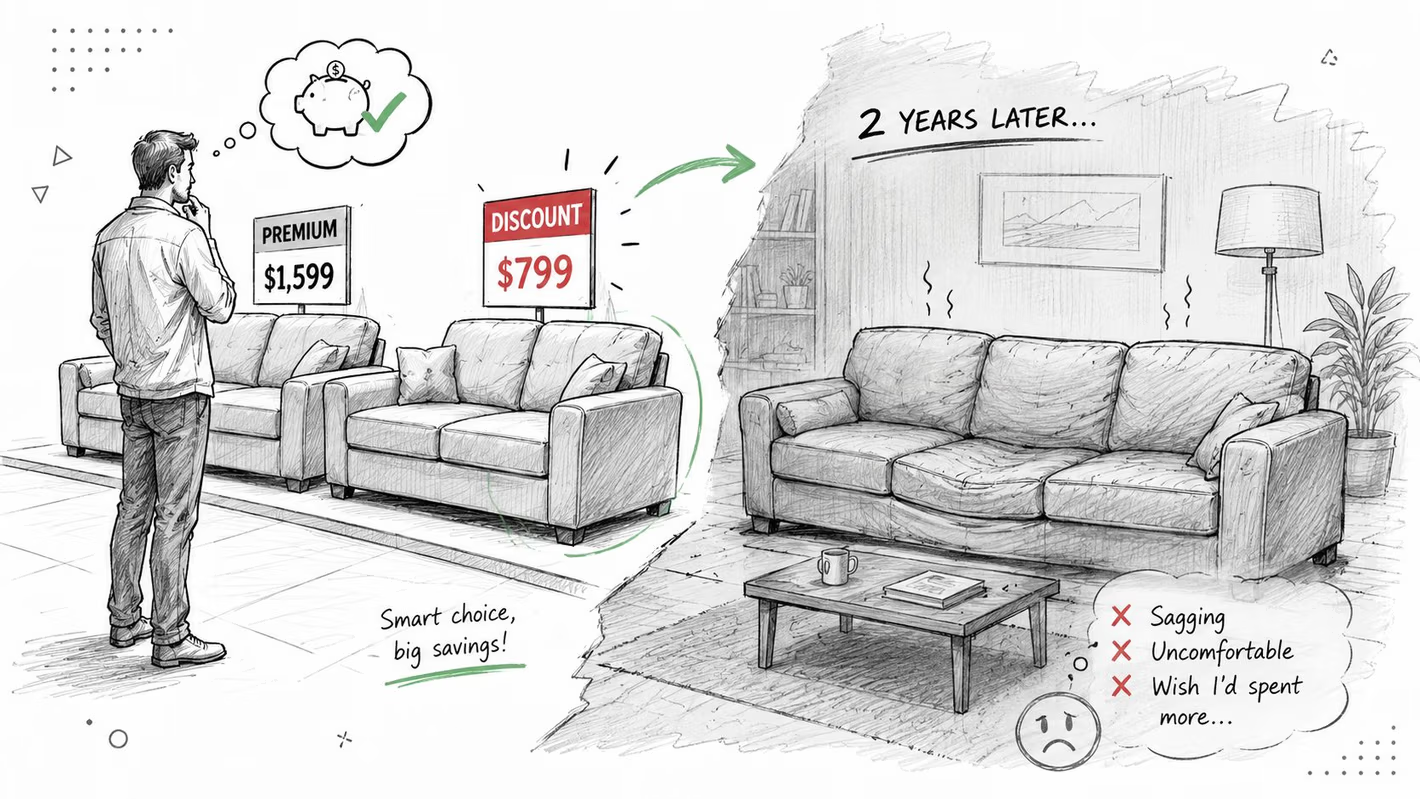
Consider two hypothetical ownership paths. A $900 sleeper lasting four years costs $225 per year, while a $1,800 sleeper lasting twelve years costs $150 per year, before accounting for guest comfort. Those figures aren't a promise about any particular product. They illustrate why purchase price alone can mislead a buyer.
Total ownership also includes mattress toppers, cleaning fees, replacement mattresses, service calls, and the point at which reupholstery makes sense compared with replacement. A sofa that converts often may justify stronger components at the beginning, while an occasional guest sofa may not need every available upgrade.
For households planning a calm, practical room, guidance on low-maintenance living room interiors can help connect upholstery choices with everyday upkeep. The same logic applies to sleeper sofas: the easiest piece to live with may deliver more value than the least expensive piece to purchase.
Tanger's custom-order approach allows shoppers to consider fabrics, finishes, and configurations that fit a household's actual use. That can include choosing components for regular sleeping, pets, children, or a room where the sofa must remain attractive between guest stays.
Evaluating Your Options Like a Pro
A showroom visit becomes much more useful when every model receives the same practical test. A repeatable inspection helps a buyer compare sleeper sofa quality through physical evidence instead of relying on a polished display or a quick first impression.
Use a simple showroom audit
Start with the frame. Sit in the sofa, shift weight from side to side, and recline if the design allows it. A hollow sound, noticeable rocking, or movement at the arms can point to a construction concern that upholstery may hide.
Operate the mechanism three times. Open and close the bed slowly, then repeat the movement at a normal pace. Binding, dragging, loud scraping, or a lock that fails to engage deserves a direct question before purchase.
Test the mattress as a sleeper would. Lie down for at least two minutes, checking the shoulder, hip, lower back, and leg areas. The body should reveal pressure points more directly than a hand pressing the mattress for a moment.
Inspect the finish and ownership plan
Look along the seams and corners for even alignment. Fabric tension should remain controlled when the sofa is upright and when the bed is open. Seams that pull under light stress, cushions that bottom out under hand pressure, or a mattress that exposes the support structure are meaningful red flags.
Ask the staff to explain the warranty by component and describe what happens if the mechanism needs adjustment after delivery. Local delivery and in-house service support can matter as much as the product itself, especially when a large sleeper must pass through narrow doorways or be positioned in an older Logan County home.
A shopper comparing living room sets with sleeper sofas can apply the same inspection to a sofa, sectional, or coordinated room plan. The goal isn't to rush toward a single answer. It's to identify the construction and support pattern that fits the room.
Match the purchase to the project
Residential buyers may prioritize fabric resilience, mattress comfort, and long-term appearance. Budget-conscious families can ask about flexible financing and the Low Price Promise without giving up the opportunity to compare construction carefully. Flexible payment options are available for projects of different sizes, so the monthly budget doesn't have to erase the quality conversation.
Professional buyers need a different lens. Tanger's Commercial Office division supports businesses with space planning, office furniture, conference areas, task seating, and hospitality or waiting room solutions. Commercial use can also affect warranty terms, so business owners should disclose the intended placement before finalizing an order.
Tanger's Furniture has served the Bellefontaine community through family-owned roots, with design experience dating to 1964 and furniture heritage reaching back to 1946. Its showroom approach includes custom options from brands such as Flexsteel and Smith Brothers of Berne, allowing shoppers to tailor select fabrics, finishes, and configurations rather than settle for an out-of-the-box piece. Local delivery, setup, and an online service request process also help handle the heavy lifting, figuratively and physically.
Visit the Tanger's Furniture showroom in Bellefontaine to test sleeper sofa mechanisms, compare mattress options, and explore custom configurations, or browse Tanger's Furniture online to start the journey. Flexible financing, the Low Price Promise, local delivery, and service support help families plan with confidence, and readers can contact the design staff or join the Love Your Home Club for exclusive offers and practical home ideas delivered to their inbox.