
Dark Wood Stain Furniture: Style, Durability, and Choices


A dark wood table catches the light in a new home, and suddenly the room feels settled. Then the practical questions arrive. Will the finish work with the existing floors? Will fingerprints stand out? Can the piece handle children, pets, meetings, or everyday family meals without becoming a constant worry?
Dark wood stain furniture can offer warmth, visual weight, and a lasting sense of character, but the color is only part of the decision. The wood species, stain system, protective topcoat, lighting, and care routine all shape how the furniture will look over time. A thoughtful choice helps a home or office feel polished without making daily life harder.
Understanding the Allure of Dark Wood Stain Furniture
A homeowner browsing a dining room may first notice the depth of an espresso table. The surface draws the eye across the grain, while the darker tone gives nearby chairs, rugs, and lighting a clear visual anchor. In an office, a walnut-toned desk can create a similarly grounded setting, one that feels intentional without relying on decoration alone.
Deep walnut, espresso, and ebony-inspired finishes bring a sense of formality, but they don't have to make a room feel stiff. Soft upholstery, natural textures, warm lamps, and open space can balance the strong color. The result often feels comfortable because the dark wood supplies structure while the surrounding materials provide ease.
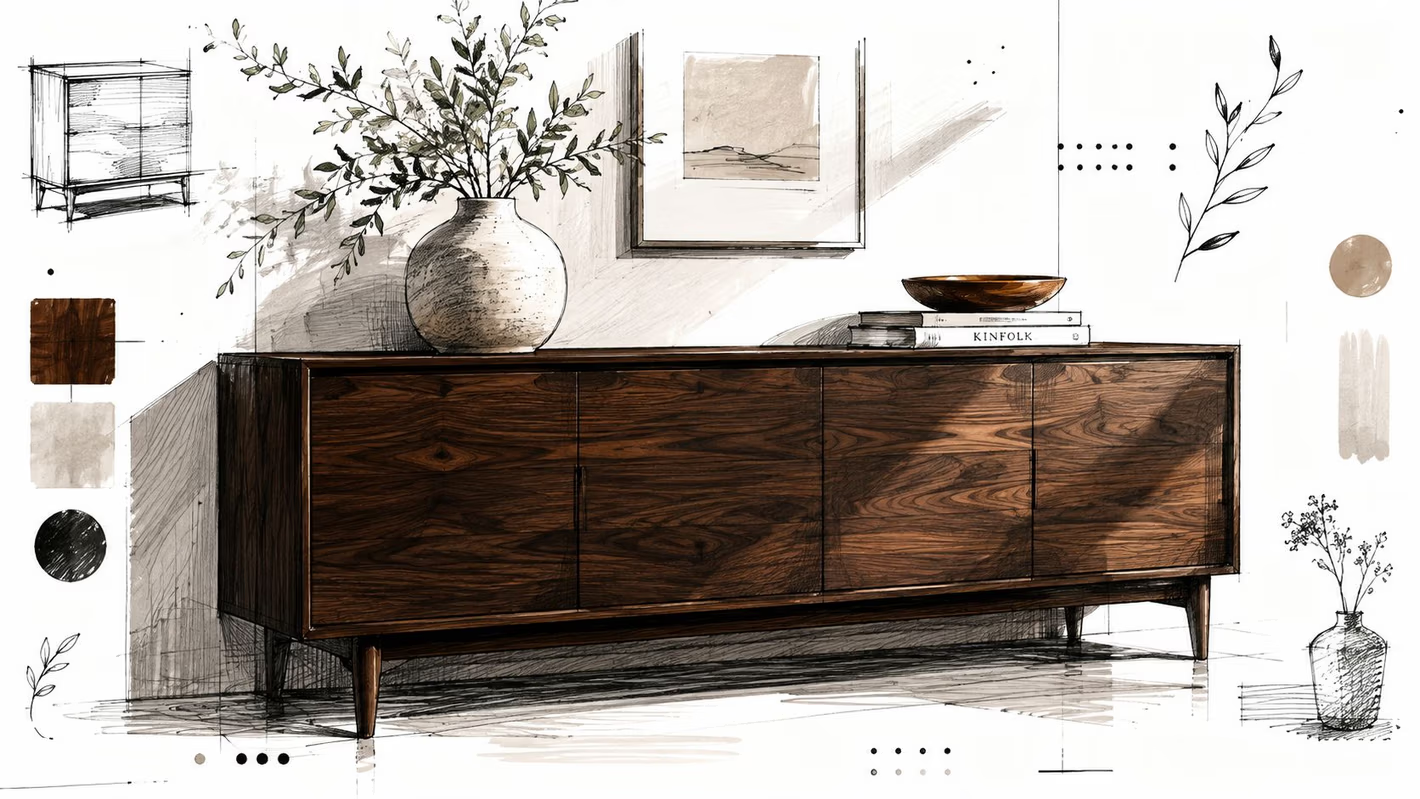
Why deeper finishes feel established
Dark wood stain furniture has a broad visual appeal because it connects contemporary rooms with longstanding hardwood furnishing traditions. Global wooden furniture trade was estimated at about US$73.4 billion in 2025, although it declined roughly 3% from the prior year, according to the International Tropical Timber Organization market report. Dark finishes sit within that larger tradition of dining, bedroom, office, and occasional furniture.
The category also benefits from an established finishing supply chain. U.S. wood stain sales were valued at US$2.3 billion in 2023 and estimated at US$2.4 billion in 2024, with the cited report projecting US$4.9 billion by 2034 at a 7.5% CAGR. The U.S. wood stain market analysis also reports that exterior applications represented US$2.0 billion in 2023, or 88.3% of U.S. wood-stain revenue, showing that furniture finishes are part of a much broader wood-protection economy.
The question behind the look
A dark finish can make craftsmanship easier to appreciate. It defines edges, frames, turned legs, and grain patterns, so the shape of a well-made piece often reads clearly from across the room. It can also help a mixed collection feel connected, especially when several pieces share a similar undertone.
Still, shoppers shouldn't choose from a tiny color chip alone. The same stain can appear warmer, cooler, lighter, or more dramatic depending on the wood underneath and the room's natural light. A showroom visit, finish sample, or conversation with a design specialist can prevent a disappointing mismatch.
For a Bellefontaine or Logan County home, the best choice is the one that supports real routines. A dark dining table should suit family meals, a bedroom chest should work with the room's light, and an office desk should look professional while tolerating regular handling. Style starts the conversation, but finish quality and practical use complete it.
Breaking Down Stains and Finishes for Lasting Beauty
A dark furniture surface usually contains more than a stain brushed onto bare wood. It generally combines a color layer with a protective clear coating, and each part performs a different job. Understanding that distinction helps buyers ask better questions before choosing a dining table, desk, cabinet, or custom piece.
Pigment and dye don't behave the same way
A pigmented stain carries fine color particles that settle into the wood surface and pores. Greater pigment load can improve opacity and help mask some variation in the grain. On a dark espresso, walnut, or ebony look, that coverage creates a consistent visual field, but high contrast also makes scratches, dust, and worn edges easier to notice.
A dye-based stain works differently. Dye dissolves into the wood and tends to preserve more of the underlying grain character, though the final result remains strongly influenced by the species and natural undertone. A dark color may therefore look warmer on one wood and more neutral on another.
Furniture buyers don't need to become finish chemists. They do need to know that “dark” describes the appearance, not the complete specification. The interior staining details from Tony Painting offer useful background for readers who want a closer look at preparation and application considerations.
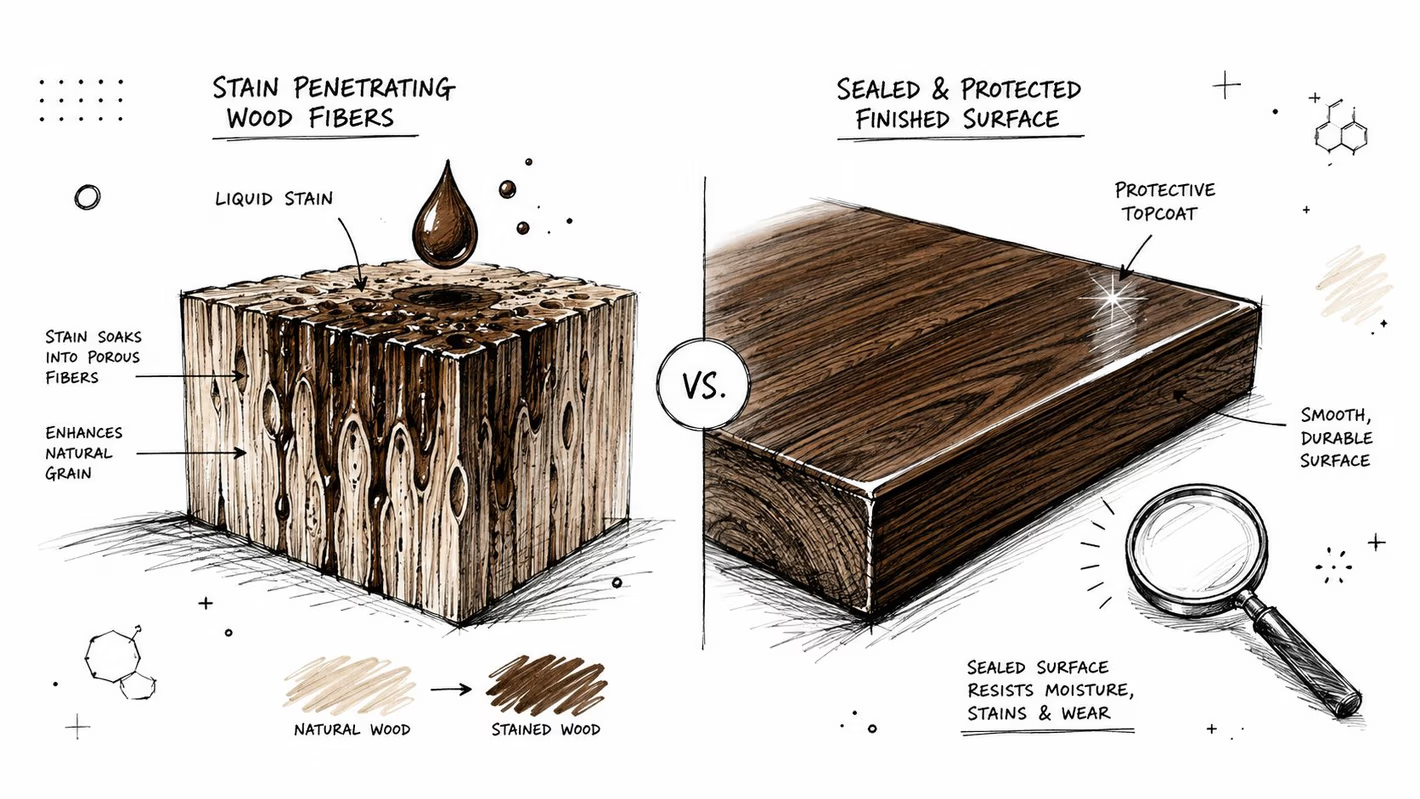
The topcoat carries much of the daily burden
The clear topcoat sits above the color layer. It helps protect against handling, light abrasion, and ordinary household contact, while its sheen affects how the finished piece reflects light. A lower-sheen surface can feel relaxed and contemporary, while a glossier finish can emphasize depth and formality, but it may also reveal reflections and surface marks more clearly.
Dark tones benefit from a compatible, durable topcoat because small appearance changes can stand out against a rich background. A finish system with poor compatibility, insufficient film build, or inadequate curing can leave the surface vulnerable to early dulling and print-through. Buyers should ask what protective coating the manufacturer uses, how the sheen looks in person, and what touch-up process is recommended.
For a broader explanation of wood construction and material choices, Tanger's guide to choosing the right hardwood for longevity and style can help place finish selection in context.
Practical rule: A dark stain is a color decision and a finish-specification decision. The topcoat, sheen, and repair plan matter as much as the shade.
Interior stain systems can last roughly 8 to 12 years under normal indoor use, according to the interior stain lifespan guidance, but exposure and coating chemistry remain important. The same source describes retail-grade products with dry-to-touch windows ranging from one to two hours, recoat windows of about one to two hours, and a full cure example of 24 hours. Those figures apply to product examples, not every furniture finish, so heavy use should wait until the manufacturer's curing guidance has been met.
Matching Dark Stained Pieces to Your Home Style
The most reliable way to choose dark wood stain furniture is to evaluate the whole room, not just the finish name. A warm brown can make a space feel welcoming, while a cooler near-black tone can sharpen a modern interior. Neither is universally right or wrong.
The wood underneath also changes the result. Natural undertones can influence whether a dark stain reads red-brown, neutral brown, gray-brown, or nearly black. That is why a sample viewed beside the room's flooring, wall color, and upholstery is more useful than a digital image alone.
Warm browns create a welcoming foundation
Warm walnut and brown espresso finishes pair naturally with cream, camel, tan, rust, and muted green fabrics. In a dining room, a dark table with upholstered chairs in a lighter neutral can create contrast without making the furniture feel disconnected. A woven rug or linen-look shade can soften the composition further.
Transitional rooms often benefit from this balance. Traditional shapes gain freshness when paired with simpler upholstery, while contemporary seating becomes more comfortable visually when placed beside warmer wood. Brass or aged-metal accents can reinforce the warmth, especially in rooms with soft, layered lighting.
Cooler dark tones suit cleaner interiors
A cooler dark brown or near-black finish can complement modern rooms with crisp lines, pale walls, and restrained decoration. Light upholstery, charcoal textiles, brushed metal, and glass create separation around the furniture. The goal isn't to make every surface dark. It's to let one substantial piece provide contrast.
Cooler finishes can also work in offices. A dark desk or conference table gives the room a professional center, while lighter walls and task lighting preserve a sense of openness. Commercial planning should account for sightlines, circulation, ergonomic clearances, and accessibility paths, not merely color. Professional office space planning commonly uses scaled layouts or three-dimensional models to coordinate those decisions.
Light changes the perceived finish
A dark piece in a bright room may appear more balanced than the same piece in a dim room. Windows, lamps, wall color, and nearby flooring all affect how much visual weight the furniture carries. A showroom consultation can help a buyer compare fabric and finish samples under different lighting conditions.
A few pairing principles make the process easier:
- Create contrast: Use lighter upholstery, rugs, or walls around a dark case piece so the room doesn't become visually heavy.
- Repeat the undertone: Echo a warm brown in a leather accent or wood accessory, or repeat a cool note in a textile or metal finish.
- Protect breathing room: Leave enough open surface around substantial furniture so the finish remains a focal point rather than part of a crowded cluster.
- Coordinate, don't duplicate: Matching every wood finish can look rigid. A related undertone often creates a more collected result.
Readers considering several eras or materials can also use Tanger's guide to mixing furniture styles for ideas on combining pieces without making the room feel accidental. The most inviting spaces usually share color relationships and scale, not identical furniture.
Weighing the Practical Pros and Cons
Dark wood stain furniture rewards attention to craftsmanship. The color can define joinery, silhouette, and grain, giving a well-shaped piece a strong presence. It also provides a steady foundation for changing pillows, artwork, rugs, and seasonal accessories.
The tradeoff is visibility. Dust, fingerprints, small scratches, edge wear, and uneven handling can stand out more clearly on dark, high-contrast surfaces, particularly in a bright room. A household with children, pets, or frequent entertaining may still choose dark furniture confidently, but it should select a finish and care routine suited to that level of use.
A realistic comparison
| Pros | Cons |
|---|---|
| Creates a grounded, refined focal point | Dust and fingerprints can be easier to see |
| Highlights strong furniture shapes and grain | Scratches may contrast sharply with the color |
| Works with light upholstery and many room palettes | Heavy-looking pieces can overwhelm dim rooms |
| Offers a timeless base for changing décor | Edge wear may require careful touch-up |
| Can coordinate residential and professional settings | Finish quality and topcoat choice require closer evaluation |
The key distinction is between visual appeal and maintenance tolerance. A dark finish doesn't automatically indicate poor durability, and a light finish doesn't eliminate care. The coating system, exposure, construction, and use pattern usually matter more than color alone.
A beautiful finish should fit the household's habits, not ask the household to live like a showroom.
Material selection also affects the decision. Readers comparing solid and engineered construction can review Tanger's explanation of solid wood versus engineered wood. The important question is how the entire piece has been built and finished for its intended use, whether that means a family dining room, a bedroom, or a professional reception area.
For business owners, dark furniture can communicate order and permanence, but planning should include durability, cleaning access, and traffic flow. Commercial furniture programs may cover executive offices, cubicle systems, ergonomic task seating, conference rooms, and waiting areas. A dark finish can work across those settings when the layout leaves room for movement and the selected materials match the level of use.
Essential Care and Maintenance Tips
Dark furniture stays attractive when care is simple, consistent, and gentle. The goal isn't to polish constantly. It's to remove abrasive dust, limit moisture exposure, and protect the surface from the small habits that create cumulative wear.
A daily and weekly routine
Start with a soft, clean microfiber cloth. Dust lightly rather than pressing grit across the surface, and use a separate cloth for areas that collect crumbs or household residue. A dry cloth is appropriate for ordinary dust, while a barely damp cloth can help with a localized mark if the finish manufacturer permits it.
Keep moisture controlled. Wipe spills promptly, especially around table edges, drawer fronts, and joints where liquid can linger. Avoid soaking the surface and avoid placing hot, wet, or rough objects directly on the finish.
A workable routine looks like this:
- Dust gently: Remove loose particles with a clean, non-abrasive cloth.
- Address spills quickly: Blot first, then wipe with the approved cleaning method.
- Use protection: Place mats, coasters, and desk accessories beneath items that move or generate heat.
- Inspect high-contact areas: Check pulls, edges, chair contact points, and table ends for early wear.
- Follow the maker's guidance: Test any cleaner on an inconspicuous area before using it across the piece.
Control the surrounding conditions
Direct sunlight can alter the appearance of wood finishes over time, so window coverings or thoughtful furniture placement can help. Radiators, vents, and very dry or damp locations may also create unnecessary stress for wood components. Stable indoor conditions and sensible spacing around heat sources support better long-term performance.
Don't drag objects across a dark surface. Lift lamps, trays, and decorative pieces, then clean beneath them periodically so dust doesn't create fine abrasions. Felt pads can help under accessories, provided they remain clean and don't trap grit.
For a detailed household reference, Tanger's wood furniture care guide provides additional cleaning and protection guidance. If a mark or worn edge needs more than routine care, a service professional should evaluate the finish before a household applies a new product.
Refreshing without making matters worse
A dark finish can tempt owners to add more polish whenever it looks dull. That approach may leave residue or create an uneven sheen if the product isn't compatible with the existing coating. Cleaning, drying, and professional assessment should come before refinishing.
Manufacturers and finishers generally pair dark stain with a protective clear topcoat because the color layer alone isn't designed to carry everyday wear. That topcoat deserves protection, too. Careful handling, prompt spill removal, and full curing after any repair help preserve the depth that made the piece appealing in the first place.
Customizing Your Furniture with Tanger's Furniture
A room rarely arrives with perfectly standard dimensions, matching preferences, and one obvious furniture solution. A homeowner may need a sofa with a particular arm shape, a dining table in a specific dark finish, or a sectional configured around a doorway. Custom ordering addresses those details before the furniture arrives, rather than forcing the room to adapt afterward.
Tanger's Furniture works with customizable pieces from brands such as Smith Brothers of Berne and Flexsteel, giving shoppers a way to discuss fabrics, wood finishes, and configurations with design staff. The process suits buyers who want more than an out-of-the-box selection but still want practical guidance.
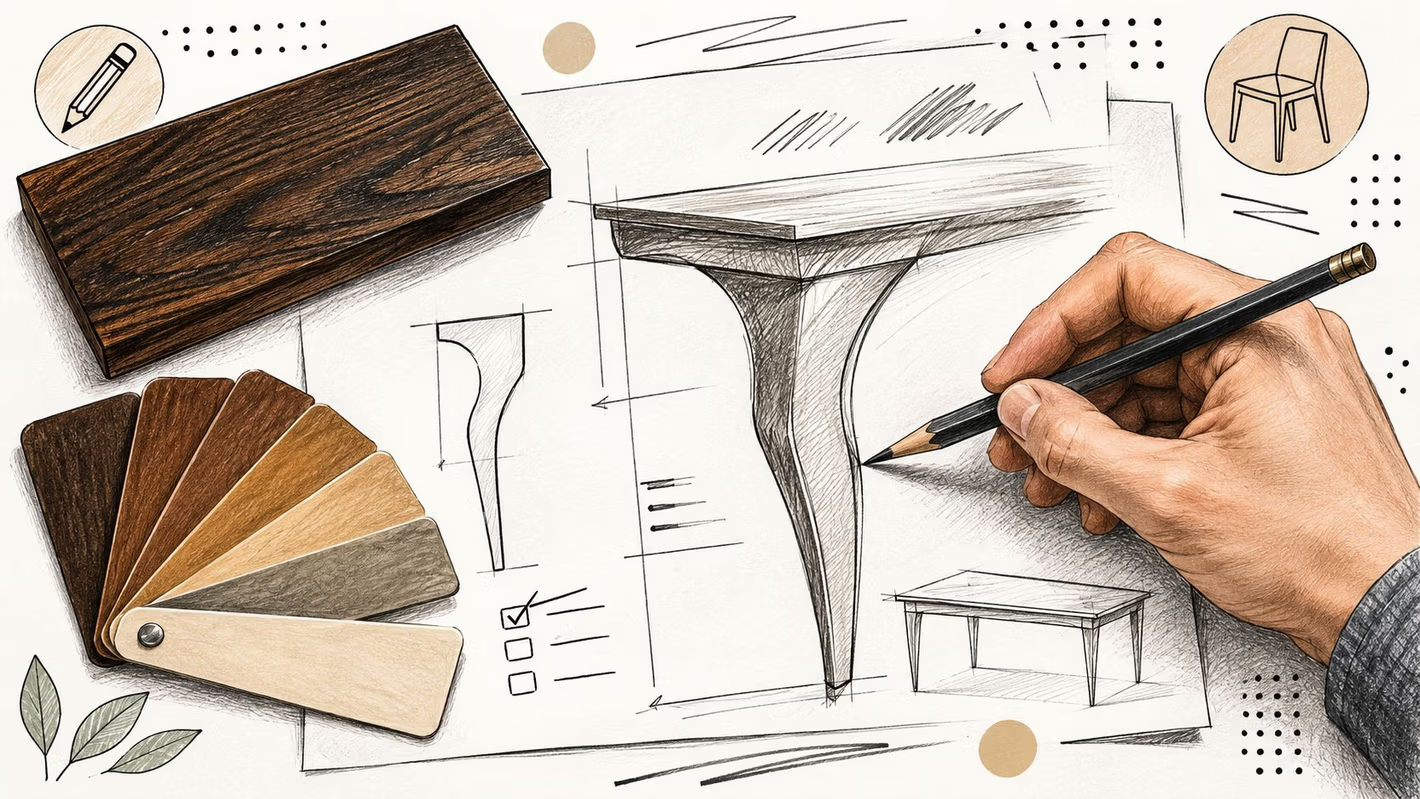
Finish selection becomes more precise
A custom conversation can compare dark walnut, espresso, and near-black directions against the room's flooring, trim, lighting, and upholstery. The design specialist can also discuss how the selected wood and finish system may reveal grain, soften variation, or show handling marks.
Customization isn't limited to color. Buyers may consider:
- Configuration: Select a sofa, sectional, table, or storage piece that suits the room's dimensions and movement patterns.
- Fabric and leather: Customer-supplied material may be identified through the custom upholstery terms COM, meaning customer's own material, and COL, meaning customer's own leather. The COM and COL explanation clarifies this terminology.
- Wood details: Choose a stain direction, leg style, or coordinating finish where the collection allows.
- Use requirements: Match seat construction, surface protection, and cleanability to children, pets, guests, or work demands.
- Budget planning: Review the complete configuration before approving the order, including delivery and any service considerations.
Custom doesn't have to mean uncertain
A good consultation reduces guesswork. Shoppers can bring room photos, flooring samples, paint information, and measurements, then compare physical swatches rather than relying on screen color. Tanger's custom furniture process can also help customers understand which choices change appearance, comfort, lead time, or price.
Flexible payment options are available for any project, which can help budget-conscious families plan for quality without abandoning the desired finish or configuration. Tanger's Low Price Promise adds a value-focused part of that conversation, while the design staff keeps the process consultative rather than pressuring a customer into a quick decision.
The same approach supports professional environments. Tanger's Commercial Office division works on small-to-medium projects and can address executive offices, cubicle systems, conference rooms, ergonomic seating, and hospitality or waiting areas. Commercial planning commonly uses CAD or AutoCAD layouts that account for furniture placement, traffic flow, sightlines, ergonomic clearances, and accessibility paths, with one service example describing CAD draft delivery in 3 to 5 business days and a line-item quote after revisions. Those project details are outlined in the commercial design services information.
For a business owner, the value of customization lies in coordination. The furniture can support the way employees work, clients move, and visitors wait, while a dark wood finish gives the space a consistent visual identity. For a homeowner, the same principle makes a room feel personal instead of assembled from unrelated pieces.
Readers can review Tanger's custom furniture process before scheduling a conversation. The company has served the Bellefontaine community for generations, with design staff serving the area since 1964 and family-owned roots extending to 1946. Its local delivery team handles setup and heavy lifting, and an online service request process gives customers a way to report issues or request maintenance after delivery.
Bringing Your Vision Home with Expert Guidance
A successful dark wood furniture choice starts with the room, continues with the finish system, and ends with a care routine that fits daily life. A warm espresso table may suit a bright dining room, while a cooler walnut desk may give a professional office the right sense of focus. Neither decision needs to be rushed.
Local guidance can make the process easier. A showroom team can compare finish samples, discuss custom upholstery, review room measurements, and explain delivery or service details in plain language. Tanger's Furniture has supported Bellefontaine and Logan County customers since 1946, and its showroom approach reflects the practical value of helping families and businesses make confident choices.
Residential shoppers can explore living, bedroom, and dining collections. Business owners can discuss commercial office layouts and durable furniture solutions. Customers also have access to flexible financing, the Low Price Promise, local delivery, in-house service requests, and the Love Your Home Club for exclusive offers and helpful updates.
Visit Tanger's Furniture to see dark wood stain furniture, custom finishes, and room solutions for residential or commercial spaces. Visit the Bellefontaine showroom to explore options in person, contact the design staff with a specific question, or join the Love Your Home Club for expert tips and exclusive offers delivered to the inbox.