Your 2026 Guide to Stunning Two Tone Wood Furniture


A lot of homeowners in Logan County stand in the middle of a room and think the same thing. The oak end tables look fine. The darker coffee table still works. The dining set from a different season of life is solid and worth keeping. But together, the room feels a little off.
That tension usually isn't about having the “wrong” furniture. It's about not knowing how to make different wood tones feel intentional. First-time homebuyers run into this all the time, especially when they're mixing hand-me-downs, one new purchase, and a few pieces they don't want to replace.
Two tone wood furniture solves that problem in a simple, welcoming way. Instead of pretending every wood in a home has to match perfectly, it uses contrast on purpose. A lighter top with a darker base. A painted frame with a warm wood surface. One texture paired with another for depth.
That's one reason designers have leaned on this look for decades. It helps a room feel layered, collected, and comfortable instead of flat. For families trying to Love Their Home without starting over, that's good news.
Table of Contents
- A Welcoming Solution to Wood Worries
- Understanding Two-Tone Wood Furniture
- Bringing the Two-Tone Look into Your Space
- Expert Tips for Styling Two-Tone Pieces
- Making It Yours The Tanger's Customization Promise
- Your Partner in Building a Home You Love
A Welcoming Solution to Wood Worries
A common local story goes like this. A homeowner buys a first house in Bellefontaine, moves in with a mix of family pieces and new essentials, then notices the wood tones aren't lining up the way they did in the old space. The cherry coffee table feels heavier than expected. The oak side tables look lighter and more casual. The media stand sits somewhere in the middle.
That moment can make a room feel unfinished, even when every piece is useful and well made. It is often assumed that the answer is replacing everything so it all matches. Usually, that's not necessary.
Two tone wood offers a friendlier solution. It gives the eye a bridge between finishes, so contrast feels planned instead of accidental. A piece with both light and dark tones can connect older furniture to newer pieces and make the whole room feel more settled.
Sometimes the best design choice isn't matching everything. It's giving the room a piece that helps the other pieces get along.
That's why this style keeps showing up in homes that feel warm and lived in. It adds depth without asking for a full reset. It also works beautifully for buyers who want durability and style but need to make thoughtful decisions one room at a time.
For anyone sorting through what to keep, what to mix, and what needs a little attention, good maintenance matters too. A practical starting point is this guide on how to care for wood furniture, especially for households balancing older wood pieces with newer additions.
Understanding Two-Tone Wood Furniture
Two tone wood furniture sounds technical, but the idea is easy to grasp. It means one piece uses contrast as part of the design. That contrast may come from different woods, different finishes, or a mix of wood with another material.
A helpful way to think about it is clothing. A great outfit usually doesn't use one exact color from head to toe. It combines pieces that relate to each other. Furniture works the same way.
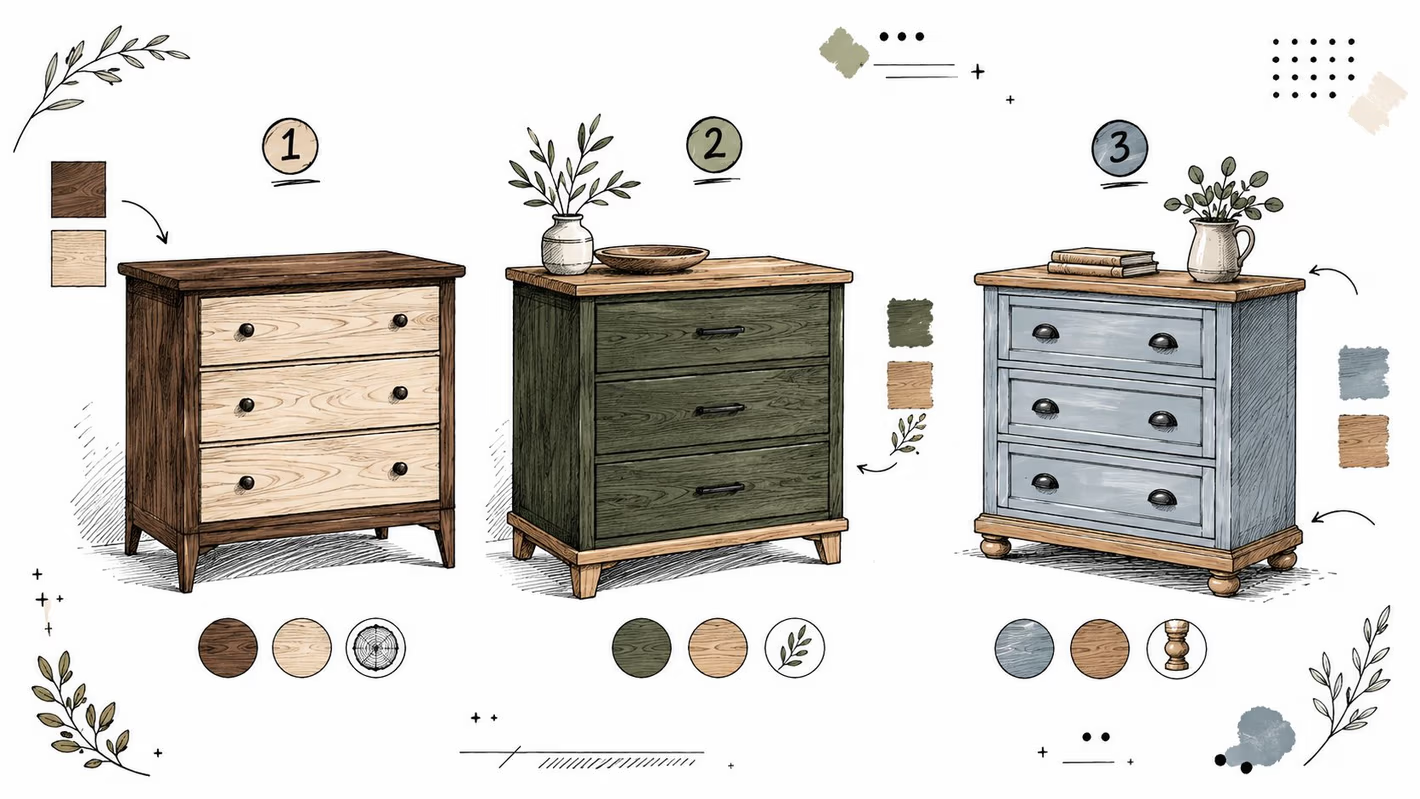
Three simple ways the look is created
The first version uses mixed wood species. One wood may form the top, while another shapes the base or drawer fronts. This creates natural variation in grain, warmth, and texture.
The second version uses contrasting finishes on the same general material. A dining table might have a natural wood top and a painted base. A dresser might pair a soft neutral body with darker stained drawers.
The third version blends wood with another material. That could mean wood and metal, wood and stone, or wood paired with upholstered elements. The result still reads as two tone because the eye sees a clear and pleasing contrast.
For readers comparing undertones and finish behavior, outside resources can help explain why some combinations feel harmonious while others need adjustment. A practical example is this look at color correction & stain matching Setauket, which shows how stain choices can shift a wood surface closer to the look a homeowner wants.
Why the contrast works so well
Two tone pieces don't just add color variation. They add visual rhythm. One finish leads the eye. The other finish grounds it.
Some woods naturally make this effect more noticeable. As noted in this overview of mahogany tone and grain characteristics, woods like mahogany have an open grain pattern and reddish hue. When paired with a lighter, finer-grained wood, the result can feel rich, textured, and naturally layered. That same principle translates beautifully into furniture design.
For shoppers who want a stronger foundation before choosing finishes, this article on choosing the right hardwood for longevity and style helps explain why wood type matters beyond just color.
Practical rule: If a piece feels “busy,” the issue usually isn't contrast itself. It's a lack of relationship between the undertones.
Bringing the Two-Tone Look into Your Space
A two tone wood piece can solve several design problems at once. It can soften a room that feels too heavy, warm up a room that feels flat, or tie together finishes that were never purchased as a set.
That flexibility is why the look works in both homes and professional settings. It's not limited to farmhouse, modern, or traditional interiors. The same idea can shift to suit each space.
Living Room
In a living room, a two tone console or coffee table often acts like a visual peacemaker. If the sofa is soft and neutral, a piece with a warm wood top and darker base can add shape without making the room feel formal.
This also helps in homes where inherited wood tones don't match exactly. A mixed-finish media unit can connect light flooring to darker accent tables. The room starts to feel collected rather than mismatched.
A few combinations tend to work especially well here:
- Light top, dark base: Good for grounding an open room.
- Wood with painted storage: Useful when a family wants warmth without too much visual weight.
- Wood with metal details: Helps a casual room feel cleaner and more current.
Dining and Kitchen
Dining rooms love contrast because tables naturally become focal points. A natural top with a contrasting base keeps the room from feeling too formal, especially when chairs don't all match perfectly.
This look also gives families room to mix practical choices with personal style. A household can choose a durable surface for everyday meals, then layer in a darker base or contrasting seating to bring in personality. That's often more forgiving than trying to create a perfect matching suite.
A dining space feels more welcoming when the wood tones relate to each other without looking copied and pasted.
Bedroom
Bedrooms benefit from softer contrast. Instead of a dramatic jump from dark to light, many people prefer a gentle shift between the frame, drawers, and nightstands.
A dresser with contrasting fronts can make storage feel lighter and more custom. The same goes for a bed with an upholstered headboard and wood rails, or a chest that mixes painted structure with stained accents. A good local example of this style direction is this white and grey chest of drawers, where contrast keeps the piece fresh but easy to live with.
Commercial Office
Two tone wood also makes sense in business settings. A reception desk with warm wood paired with a darker lower section can feel polished without becoming cold. That matters for offices that want to feel credible and inviting at the same time.
For commercial spaces, this style can support several goals:
- Welcoming first impressions: Warmer wood surfaces can make waiting areas feel less rigid.
- Durability with personality: Contrasting finishes can hide everyday wear better than one flat color.
- Space planning flexibility: Desks, storage, and meeting furniture can coordinate without feeling repetitive.
In a local office, clinic, or small professional suite, that balance matters. Business owners often need pieces that work hard, look dependable, and still reflect the character of the people using the space.
Expert Tips for Styling Two-Tone Pieces
A two tone wood item doesn't need a perfect room around it. It just needs a few smart supporting choices. When those choices are clear, the piece feels intentional instead of random.

Design rules that keep the room calm
-
Choose one lead tone: Let one color family take the lead in the room. The second tone should support it, not compete with it. If the main wood is light and airy, repeat that feeling in flooring, frames, or shelving.
-
Repeat each finish at least once: A dark base looks more settled when a lamp, frame, or hardware finish echoes it. A light top feels more connected when that same warmth appears in a woven basket, mirror frame, or tabletop accessory.
-
Use fabric to soften contrast: Rugs, curtains, and upholstery can bridge the gap between wood finishes. Pulling a lighter wood tone into wall color can keep the room open, while using the darker tone in pillows or throws makes it feel anchored.
-
Watch the undertone, not just the color: Two browns can still fight each other if one leans red and the other leans gray. That's where many homeowners get stuck.
For readers building a full-room plan, this guide to the perfect color palette can help connect wood finishes to paint, textiles, and accents.
Common mistakes that confuse the eye
-
Too many feature pieces: If every item demands attention, none of them feel special. One or two strong two tone pieces usually carry the room better than five.
-
Ignoring scale: A delicate side table beside an oversized sectional can feel accidental, even if the finish is beautiful. The shape and size still need to make sense.
-
Matching every accessory too closely: A room gets stiff when every item tries to copy the furniture exactly. Coordination usually looks better than strict matching.
Styling check: If the room feels unsettled, remove one competing finish before buying anything new.
A comfortable room usually has contrast, repetition, and breathing space. That mix helps two tone wood feel relaxed, which is exactly why so many first-time buyers end up loving it.
Making It Yours The Tanger's Customization Promise
The idea of two tone wood presents no conceptual difficulty; the challenge lies in finding the right version. The piece in the showroom may have the right shape but the wrong finish. Another may have a good color combination but the wrong scale for the room.
That's where customization becomes practical instead of intimidating. It gives homeowners a way to keep the idea they love while adjusting the details that matter in daily life.

Custom doesn't have to feel complicated
A simple custom process often looks like this:
- Start with the function: Is the piece for a busy family room, a calmer bedroom, or a polished office?
- Choose the silhouette next: The overall shape matters as much as the finish.
- Then pick the contrast: Light over dark, painted with stained wood, or a softer tonal blend.
- Finish with supporting details: Hardware, fabric, and surrounding materials complete the look.
This is one reason custom sofas Ohio shoppers often appreciate personalized guidance. The same household that wants a two tone wood table may also need a specific sofa depth, stain family, or fabric performance. Good design support keeps those decisions connected.
For anyone curious about how digital planning is changing the design process, this overview of AI software for furniture design offers useful background on how customization frameworks can help turn ideas into workable product choices.
Why local customization matters
Customization is often most helpful when people can compare options in person. A wood swatch that looks warm online may read cooler under real lighting. A darker stain that seems dramatic on a screen may feel just right next to flooring, cabinetry, or an existing dining chair.
That hands-on process matters for residential and commercial buyers alike:
- Homeowners: They can build a piece that fits the room they have.
- Business owners: They can coordinate reception, office, and waiting areas with a more professional look.
- Budget-conscious families: They can prioritize the details that matter most instead of settling for an off-the-shelf compromise.
Premier manufacturers known for customization, including Flexsteel and Smith Brothers of Berne, show why made-to-order choices remain valuable for people who want style and longevity together. For a closer look at how personalized ordering works, this custom order starting guide makes the process easier to picture.
Good customization doesn't add pressure. It removes regret.
Your Partner in Building a Home You Love
Two tone wood furniture rewards simple care. Dust it regularly, use coasters, and keep it away from extreme moisture swings when possible. That matters even more with mixed finishes, since contrast looks best when each surface ages evenly and stays clean.
For homeowners deciding whether to refinish an older piece or replace it, a thoughtful outside resource like this repair or replace furniture guide can help frame the decision. Sometimes a beloved piece deserves new life. Sometimes a better-fitting replacement makes the room work harder.
Care first, then the bigger picture
A home comes together best when furniture choices support everyday living. That includes bedrooms, living spaces, and practical purchases people rely on for years. In Logan County, that same mindset often guides shoppers looking for a dependable mattress store Logan County families can return to, or for durable appliances that hold up over time.
For homeowners in Bellefontaine seeking long-term reliability, Speed Queen laundry machines offer an average lifespan of over 25 years, thanks to their commercial-grade components and heavy-duty construction, according to this note on Speed Queen laundry durability. That emphasis on long-term value fits naturally with thoughtful furniture buying.
The same practical values matter across the whole shopping experience:
- Low Price Promise: Good design should still feel like strong value.
- Financing: Flexible payment options help families and businesses move forward on any project.
- Service and delivery: Professional help with setup, delivery, and follow-up takes the heavy lifting off the customer.
- Local reliability: Family-owned roots, local delivery, and in-house service requests create peace of mind that online-only buying can't match.
A beautiful home rarely comes from one perfect purchase. It comes from a series of smart, comfortable decisions that help people settle in and stay well supported.
Visit Tanger's Furniture showroom in Bellefontaine to see custom options in person or browse the collections online to start the journey. Flexible financing is available for any project, the Low Price Promise helps protect value, and the team handles service and delivery so customers don't have to. Have a specific design question? Contact the design staff today, explore Living Room, Commercial Office, or Financing options, and join the Love Your Home Club for exclusive offers and expert tips delivered to the inbox.