Solid Wood vs Engineered Wood: A Bellefontaine Buyer’s Guide


Two beautiful wood pieces can sit side by side on a showroom floor and look almost the same at first glance. One carries a higher price tag, the other seems like the practical buy, and that's where many homeowners and business owners in Logan County get stuck.
That moment matters. A dining table, office desk, bedroom set, or cabinet isn't just a purchase for this season. It becomes part of daily life, part of family routines, and part of how a room feels when guests walk in after a long Ohio winter or during a humid summer stretch.
Since 1946, local families have asked the same basic question in different ways. Which one will hold up better. Which one makes sense for the budget. Which one will still feel right years from now. The answer usually comes down to understanding solid wood vs engineered wood in simple, practical terms.
This guide keeps the jargon out of the way and focuses on real-life use. It's written for the first-time homebuyer choosing a bedroom set, the growing family comparing Bellefontaine furniture options, and the business owner furnishing a workspace that needs to look sharp and work hard.
Table of Contents
- Choosing Furniture You Will Love for Years
- What Are Solid and Engineered Wood
- A Side-by-Side Comparison for Your Home
- Choosing the Right Wood for Different Furniture
- Making It Yours With Custom Furniture at Tangers
- Your Bellefontaine Furniture Buying Checklist
Choosing Furniture You Will Love for Years
Furniture shoppers often think they're choosing between two looks. Most of the time, they're really choosing between two constructions and two very different long-term experiences.
That's why material matters so much. A table that hosts holiday meals, a cabinet that gets opened every morning, or a desk used through long workdays in Logan County all face real wear. Good design counts, but construction decides how that piece ages.
For residential spaces, the question is usually about longevity, maintenance, and value. For commercial spaces, it often shifts toward stability, consistency, and day-to-day durability. Both are valid. Both deserve a clear answer.
Practical rule: If a buyer plans to live with a piece for many years, the material choice should be treated like a long-term home decision, not a short-term decorating decision.
A few things tend to confuse shoppers right away:
- “Engineered” sounds cheap. It isn't automatically cheap. It means the product is built in layers rather than from one continuous piece.
- “Solid wood” sounds better in every case. It often wins on lifespan and repairability, but it isn't the right fit for every room or every use.
- Price looks like the full story. It rarely is. Upfront cost and long-term value aren't always the same thing.
Local families also tend to weigh practical concerns beyond the wood itself. They want the Low Price Promise to mean something. They want financing options that make a larger project manageable. They want delivery crews to handle the heavy lifting and an in-house service path if something needs attention later.
That's the kind of decision-making that helps people love their home, not just furnish it. The same thinking also helps business owners create offices and waiting spaces that feel dependable and professional without overspending on the wrong material.
What Are Solid and Engineered Wood
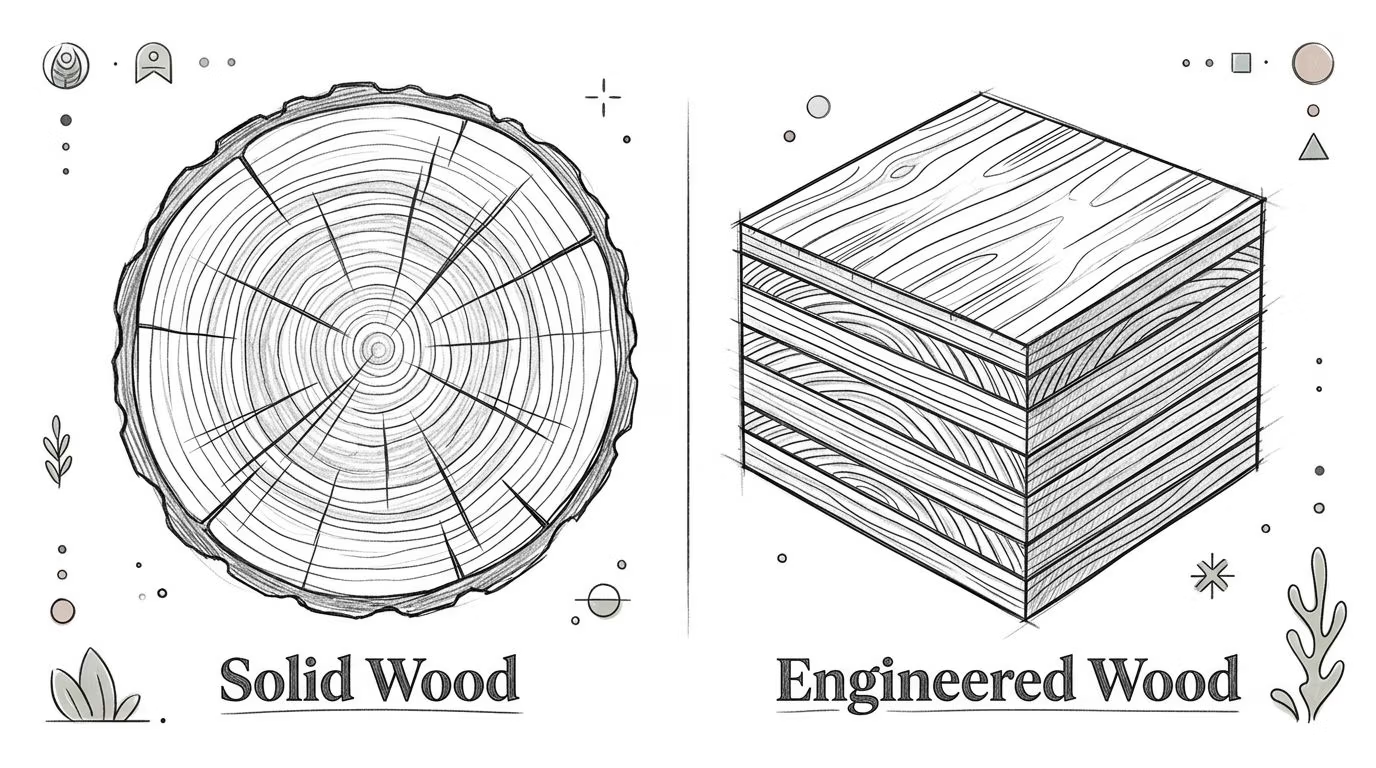
The easiest way to understand the difference is to think about how each piece is built. One is cut from a single piece of timber. The other is built in layers to improve stability.
Solid Wood The Timeless Classic
Solid wood is exactly what it sounds like. It's made from a single, continuous piece of wood rather than a layered core.
That construction gives solid wood its classic character. Grain patterns vary naturally. Small visual differences from board to board are part of the appeal, not a flaw. That's one reason many homeowners still gravitate to solid wood for dining sets, bedroom furniture, and statement pieces that should feel warm and lasting.
Solid wood also has a reputation for longevity because there's more material to work with over time. It can often be repaired, touched up, or refinished in ways thinner surface materials can't match. Buyers who want to better understand how hardwood choices affect durability and appearance can explore this wood furniture guide for longevity and style.
Engineered Wood Modern Stability and Versatility
Engineered wood uses a real wood surface over a layered core, often plywood. Those layers are arranged to improve dimensional stability.
That matters in places where humidity changes through the seasons. Ohio homes know that cycle well. Dry winter heat and sticky summer air can make wood move, and engineered construction is designed to reduce that movement.
One verified flooring comparison explains that engineered hardwood's cross-grain plywood core resists warping and moisture expansion significantly better than solid wood, making it a good option for below-grade spaces or concrete slabs, while solid hardwood is generally limited to above-grade or on-grade settings. The same source notes a service life of 80 to 100 years for solid hardwood compared to 25 to 50 years for engineered in that flooring context, according to Duffield Timber's hardwood comparison.
Buyers who are also comparing wood choices in kitchen spaces may find this ultimate guide to kitchen hardwood flooring helpful because kitchens often bring the same questions about moisture, traffic, and daily wear.
For furniture, the same basic idea applies in plain language. Engineered wood is often chosen when a buyer wants a real wood look with added stability, more uniform panels, or a lower starting cost. Solid wood is usually chosen when natural character, repairability, and long-term ownership matter most.
A Side-by-Side Comparison for Your Home
Saturday morning in Logan County often starts the same way. A family walks into the store with measurements in a phone note, a budget in mind, and one big question. Which wood choice will still make sense after a few Ohio winters, a house full of guests, or a busy workweek that leaves coffee cups on every surface?
That is the comparison that matters at home. The right choice is the one that fits how you live, what the room has to handle, and how long you want the piece to stay with you.
Solid Wood vs Engineered Wood At a Glance
| Feature | Solid Wood | Engineered Wood |
|---|---|---|
| Construction | Single piece of wood | Real wood surface over layered core |
| Look | Natural variation and character | More uniform appearance |
| Lifespan | Longer-term option in many uses | Often shorter lifespan than solid wood |
| Moisture response | More sensitive to humidity shifts | More stable around moisture changes |
| Repair potential | Stronger repair and refinish potential | More limited surface repair options |
| Upfront cost | Often higher | Often lower |
| Best fit | Long-term furniture ownership | Budget-conscious or stability-focused applications |
Appearance and Everyday Feel
The first difference people notice is not technical. It is personal.
Solid wood has more visual depth. Grain patterns shift, color can vary from board to board, and small natural marks give the piece personality. That is often what buyers want in a dining table, a bedroom set, or an office desk that should feel grounded instead of factory-perfect.
Engineered wood usually looks more even from one panel to the next. Some households prefer that cleaner, more consistent look, especially in modern rooms or workspaces where symmetry matters. If you like order, matching finishes, and fewer visual surprises, engineered wood can feel easier to live with.
For cabinet shoppers weighing similar questions in high-use spaces, MapleKing's cabinet guide gives another practical look at how wood choices affect daily use.
Durability and Lifespan
A simple way to look at durability is to ask what happens after ten or fifteen years of ordinary life. Chairs get scooted. Tabletops get scratched. Dressers move once, then maybe again. Kids grow up. Rooms change jobs.
Solid wood usually handles that long story better because there is more material to work with over time. If the finish wears, a surface gets nicked, or a top needs attention years down the road, solid construction often gives you more ways to restore the piece instead of replace it.
Engineered wood can still serve well, especially for lighter-duty furniture or rooms that do not see constant wear. But for furniture that acts like the backbone of the room, many Logan County families prefer solid wood because it tends to reward patience and ownership.
Stability Around Moisture and Temperature
Ohio homes teach this lesson fast. January heat dries the house out. July can feel damp and heavy. Furniture has to live through both.
Engineered wood is built in layers, and those layers help control movement. That can be useful in rooms near entries, lower levels, or work areas where temperature and humidity are not always perfectly steady. A home office over the garage, for example, may put more stress on furniture than a climate-controlled formal dining room.
Solid wood responds more to its surroundings. That does not make it a poor choice. It means placement and care matter more. Buyers who want a clearer picture of how construction changes durability across materials can compare those tradeoffs in this guide to solid wood vs particle board furniture.
Cost and Long-Term Value
Sticker price matters, especially when you are furnishing more than one room. Engineered wood often lowers the starting cost, which can make a full project feel more manageable.
Long-term value is a different question. A lower purchase price can still cost more over the years if the piece shows wear sooner, cannot be repaired easily, or needs to be replaced during the next move or remodel. For many households, the better value comes from matching the material to the job. Spend more on the pieces you touch every day. Save on pieces that play a supporting role.
That approach usually feels more practical than choosing one material for everything.
Repairability and Maintenance
Repairability is where construction stops being a brochure detail and starts affecting real life.
Solid wood is often more forgiving. Minor dents, surface scratches, and finish wear may be improved with touch-ups, sanding, or refinishing, depending on the piece and the damage. Engineered wood has less room for that kind of second chance, especially if the outer layer is thin. Once the visible surface is badly damaged, the repair options can narrow quickly.
Maintenance also changes by setting:
- Busy family homes: Choose surfaces that can age with some grace.
- Guest or formal rooms: Appearance may matter more than heavy-duty construction.
- Work-from-home spaces: Favor pieces that stay stable, clean up easily, and still look good on ordinary Tuesdays, not just holidays.
A good furniture decision should make life easier, not make you nervous every time someone sets down a mug.
Choosing the Right Wood for Different Furniture
Saturday morning in Logan County often starts the same way. Someone walks into the store needing a dining set for family meals, a dresser that can survive years of drawer slams, or a desk that has to look professional by Monday. The right answer usually is not one wood choice for the whole house. It depends on what that piece has to live through.

High-Traffic Pieces for Busy Homes
Start with the pieces your family touches every day. A dining table in Bellefontaine is rarely just a dining table. It becomes a homework station, a holiday serving line, a puzzle table in January, and a place to sort the mail after work. Bed frames, dressers, and everyday storage do the same kind of hard service.
Solid wood often fits those jobs well because it handles long-term use with more grace. Small dents and finish wear usually feel less alarming on a material that was built to age, not just stay perfect for one season. For households planning to keep a piece through school years, moves, pets, and daily routines, that staying power matters.
A simple way to decide is to ask one question. Will this piece be part of your weekly routine, or just part of the room?
If it is part of the routine, solid wood often makes more sense.
Value-Focused Picks for Flexible Budgets
Some furniture has a supporting role. Accent tables, TV stands, occasional cabinets, and trend-driven pieces do not always need the same build as the dining table your family uses every night.
Engineered wood can be a practical choice here. It often gives you a consistent finish, a lower starting price, and a polished look for rooms where the piece is not taking constant abuse. For a first apartment, a guest room, a starter home, or a quick room refresh before the holidays, that can be the right call.
The tradeoff is simple. Engineered wood usually gives you more style per dollar up front. Solid wood usually gives you more room for repair and longer-term attachment over the years, as noted earlier.
Storage furniture deserves a closer look because drawers, doors, and case construction matter just as much as the surface. This guide to buying chests, dressers, and cabinets helps match the material to the job instead of choosing by appearance alone.
For readers thinking through cabinetry and other utility-heavy spaces, this resource to compare kitchen cabinet features adds another useful perspective on balancing cost, durability, and appearance.
Professional Spaces That Need to Work Hard
Work furniture plays by a different set of rules. In an office, waiting area, or conference room, owners often care about a clean appearance, repeatable finishes, and keeping several rooms coordinated without stretching the budget too far.
Engineered wood often works well for desks, storage units, conference tables, and reception pieces because it tends to offer a uniform look across multiple items. That consistency can matter a lot in a Logan County office where the goal is to create a space that feels organized and ready for clients every day.
Solid wood still has a place in professional settings. A front desk, executive office piece, or conference table can carry more visual weight in solid wood, especially when you want the room to feel established and welcoming. Many businesses end up using both materials the same way a good home does. Put more investment into the pieces that define the room, and use practical materials where function and consistency matter most.
Making It Yours With Custom Furniture at Tangers
The wood type matters. The fit matters too. A piece that's perfect on paper can still feel wrong if the size, cushion feel, arm shape, or finish doesn't suit the room.
Why Custom Changes the Decision
Since 1964, trained design staff have helped shoppers think beyond “in stock or not.” That matters because many homes in Bellefontaine and across Logan County have rooms that need more than a standard footprint.
Verified information shows that Smith Brothers of Berne offers over 800 premium fabric options and 100 top-grain leathers, along with choices for arm styles, back styles, cushion firmness, and leg finishes, as described in this Smith Brothers customization overview. That kind of flexibility helps a buyer match furniture to room size, traffic flow, and household habits instead of forcing the room to adapt to a fixed piece.
The same practical idea applies whether someone is shopping for Bellefontaine furniture, planning custom sofas Ohio shoppers often struggle to size correctly, or coordinating a full home update alongside stops for Speed Queen laundry appliances and a mattress store Logan County purchase. Big home projects usually connect more than one room and more than one decision.
A smart furniture choice isn't only about what the piece is made from. It's also about whether the piece fits the way the room actually lives.
How the Process Fits Real Homes
Custom ordering also slows the process down in a good way. Verified data notes that a standard sofa without custom modifications takes about 15 labor hours at the factory when a pattern already exists, while custom work adds distinct specification phases for fabric, finish, and configuration, according to Ted Scott Design's custom furniture overview.
Lead times matter too. Verified information states that custom furniture delivery typically runs 8 to 10 weeks after the order is placed and confirmed, with white-glove delivery used for wrapping, setup, and placement, based on Room for Tuesday's custom furniture process article.
For shoppers who want a simpler view of the process, this custom furniture made simple guide shows how selections come together from fabric to finish. Brand-specific standards can also be explored through Flexsteel and Smith Brothers of Berne when comparing customization options.
One practical option for shoppers who want help coordinating those decisions is Tanger's Furniture. It offers residential furnishings, commercial office planning, financing options, local delivery, and an in-house service request path for follow-up support.
Your Bellefontaine Furniture Buying Checklist
A good furniture decision often looks simple from across the room. Up close, it usually comes down to daily life. The table that handles homework and holiday dinners. The dresser that still slides smoothly on a cold January morning. The office desk that keeps a Logan County business running without wobbling, peeling, or feeling worn out too soon.

A Simple Local Checklist
- Start with the room's real workload. A dining table used every day needs different staying power than an accent table that mostly holds a lamp and mail.
- Look past the first price tag. Solid wood often rewards families who plan to keep a piece for many years, refinish it later, or pass it down. Engineered wood can be a smart fit for shorter-term needs, tighter budgets, or rooms where moisture changes are harder on natural wood movement.
- Ask what “long-term” means in your house. Some Bellefontaine homeowners want furniture that can age with the home. Others need a practical piece that serves well through a busy season of life. Both are valid choices.
- Check repair potential. Solid wood usually gives you more room to sand, touch up, and restore. Many engineered pieces are better kept clean and protected from damage than heavily repaired after the fact.
- Consider the local setting. In Logan County, muddy boots, wet coats, dry winter heat, and constant family traffic all put furniture to the test. The right wood choice should match how your home or office gets used.
- Think about financing early. A better-built piece can make sense if monthly payments fit the household budget more comfortably than one large upfront cost.
- Don't overlook delivery and service. Proper setup matters, especially for heavier bedroom, dining, and office pieces. Local follow-up service matters too when something needs adjustment later.
- Look at the whole house, not one room. A furniture purchase often connects to storage, mattresses, office function, or how a room has to grow with your family.
- Use a buying guide before making the final call. This furniture shopping guide for smarter buying decisions helps you compare construction, comfort, and value with less guesswork.
- Keep value in view. Low price matters. So does buying something that still feels right after the newness wears off.
- Join the Love Your Home Club. It is a simple way to keep getting ideas, offers, and practical advice for future projects.
For homeowners, this checklist helps create rooms that feel settled, useful, and worth coming home to. For business owners, it helps create workspaces that look professional, hold up to daily use, and make a better impression on employees and customers alike.
Visit the showroom in Bellefontaine to see custom options in person or browse the collections online to start the journey with Tanger's Furniture. Have a specific design question? Contact the design staff today or join the Love Your Home Club for expert tips and exclusive offers delivered to the inbox.