Sustainable Home Furnishings: A Lasting Guide


Most advice on sustainable home furnishings starts in the wrong place. It starts with labels, buzzwords, and a pile of green claims, when the actual question is simpler, what piece will still be useful in ten years, still look right in the room, and still be worth keeping? In Bellefontaine homes, that's the standard that matters, because a chair that gets replaced twice is far less sustainable than one that stays in the family for years.
That's why the smartest buyers stop chasing the longest list of eco-labels and start judging durability, repairability, and timeless design. Sustainability is not just about what a piece is made of, it's about how long it serves the household that bought it. For a plain guide to FSC wood and why chain-of-custody matters, the Hutter Architects FSC guide is a useful reference without the sales noise.
Why the Greenest Furniture Is Not Always the One With the Most Labels
A room full of labels can still be a bad buy if the furniture wears out fast. A Bellefontaine family that wants a sofa, table, or bed to last should look first at how the piece handles daily use, not how many eco claims are printed on the tag. Solid construction, repairable parts, and a design that still feels right after the trend cycle moves on do more for sustainability than a stack of badges.
The furniture industry still runs mostly on a linear model, 93% take-make-waste, while only 7% of furniture is currently circular (WorldMetrics). That makes longevity the clearest sustainability lever a shopper can control. A piece that survives moves, spills, pets, and family life saves materials, labor, and landfill space by staying in use instead of becoming waste early.
Practical rule: Buy the piece you're likely to keep, not the piece that photographs best on day one.
Labels still have a place. They should back up a wise purchase, not substitute for one. A sturdy frame with honest joinery and a cushion system that can be repaired usually beats a flashy item that needs replacing the moment real life starts using it. For a plain guide to FSC wood and why chain-of-custody matters, the Hutter Architects FSC guide is a useful reference without the sales noise.
Custom-order furniture from trusted local makers also changes the equation. You can choose the right proportions, better materials, and finishes that suit your home instead of settling for a flat-pack piece built to be temporary. That is where long-term value shows up, because the furniture fits the room, gets used every day, and avoids the short lifespan that makes disposable buying so expensive for the planet and for the household.
Homeowners in Logan County usually want two things at once, style and staying power. A well-chosen sofa, table, or bed can deliver both without forcing another round of buying and disposal. That is the greener choice, and it usually looks better in the house, too.
Where Furniture's Real Environmental Impact Hides
Most of a furniture piece's footprint is built before anyone sees it on a showroom floor. A peer-reviewed 2024 life-cycle assessment of 25 furniture pieces found that the pre-production stage averaged 76% of total life-cycle impact (Scientific Reports). That means the biggest decisions happen upstream, in wood sourcing, resin selection, foam chemistry, textile production, and the way suppliers manage materials.
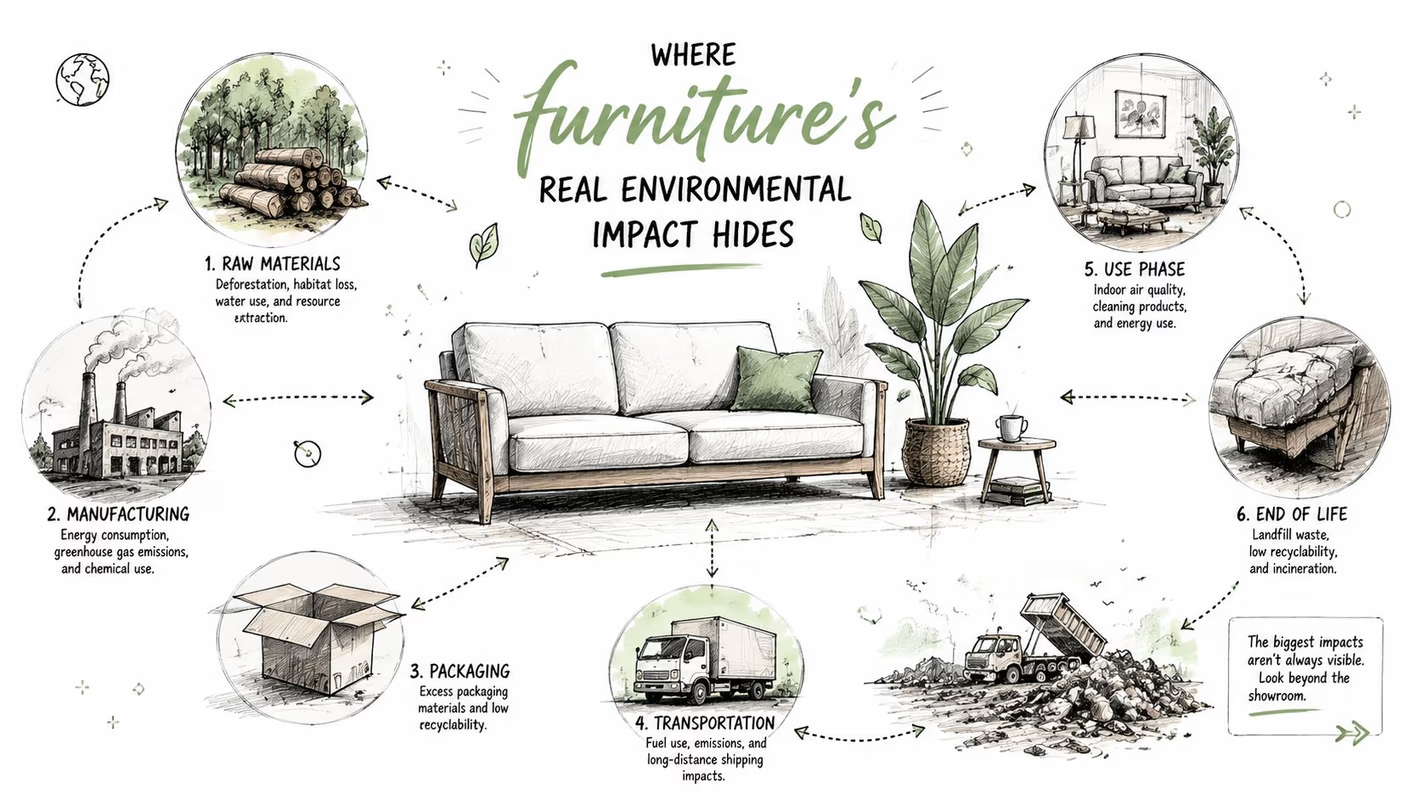
That same logic is why a prettier showroom display does not automatically mean a better purchase. Retail handling matters, but it does not carry the same weight as the choices made before the piece was built. If the inputs are poor, the footprint is already baked in.
Upstream decisions are where the damage starts, and where a buyer can still influence the outcome.
For homeowners restoring older pieces, careful refinishing can extend useful life without another full replacement. A practical overview of low-impact repair methods is available in the Orlando wood restoration tips, and the lesson applies well beyond one market, preserve what's solid before buying new.
The same logic also explains why material comparisons matter more than broad eco language. A buyer looking at solid wood versus particle board is really asking a life-cycle question, not just a style question. The better choice is the one that can take years of use, be repaired when needed, and stay out of the disposal stream longer.
Comparing Sustainable Materials for Real Homes
Not every “green” material holds up equally in a busy home. Families with kids, pets, sunlight, and constant use need to think about wear first, not just environmental branding. The best material is the one that balances low impact with the kind of durability that delays replacement.
[Text about restoring a room often starts with surfaces, and that matters, too. For homeowners weighing whether to refresh instead of replace, restore hardwood floors sustainably can be a smart first move before new furniture even enters the house.]
| Sustainable Furniture Materials Compared | Durability Rating | Environmental Strength | Best For |
|---|---|---|---|
| FSC-certified hardwoods | Strong | Clear sourcing and long service life | Dining tables, bed frames, casegoods |
| Reclaimed wood | Strong, if properly stabilized | Reuses existing material | Accent pieces, tables, shelving |
| Recycled metals | Very strong | Highly reusable and long-lived | Frames, bases, office furniture |
| Biobased foams | Moderate to strong, depending on construction | Lower-impact cushioning option | Sofas, lounge seating |
| Performance fabrics made from recycled fibers | Moderate to strong | Reduces virgin fiber use | Family rooms, pets, high-traffic seating |
The pattern is simple. Materials that support repair, cleaning, and reupholstery tend to age better than materials chosen only for a low-impact story. That's why a well-built frame with a washable, replaceable cover often outperforms a trendy piece that can't be serviced.
For upholstery specifically, the fabric matters, but so does the underlying build. A helpful breakdown of common upholstery choices can be found in everything you need to know about upholstery materials, and it's worth reading with a long-view mindset, not a decorating one.
What usually works best in active homes
- Hardwood frames: Best when the joinery is solid and the piece is designed to be repaired.
- Reclaimed wood accents: Smart for low-stress pieces where character matters more than heavy daily wear.
- Recycled metal structures: Excellent for strength, especially in workspaces and dining bases.
- Performance fabrics: Worth it when the weave, cleanability, and seam quality are right.
- Biobased cushioning: Good only if the rest of the sofa is built to last.
How to Read Certifications Like a Professional Buyer
Certifications matter when they verify a real claim. They do little when they are only there to make a tag look green. A serious buyer reads the spec sheet the way a contractor reads a build plan, checking each claim against documented evidence.
Start with wood. FSC certification is meaningful because it speaks to sourcing and chain of custody, and the University of Pennsylvania's furniture guidance also points shoppers toward Declare or HPD material-health documentation, BIFMA Level certification, and GREENGUARD Gold or similar indoor-air-quality certification (University of Pennsylvania sustainable furniture purchasing guidance). Those documents tell a buyer what a product is made from and how it is expected to perform.
For wood specifically, EU furniture procurement criteria set a concrete threshold. At least 50% of wood in a final furniture product should come from certified sustainable forest management under the core criterion, rising to 70% under the broader criterion. That is the kind of detail that separates a real standard from a decorative claim.
Ask for the paper trail, not the tagline.
A practical showroom checklist keeps the conversation grounded:
- Wood sourcing: Is there FSC or equivalent certification?
- Emissions: Is there a GREENGUARD Gold or similar indoor-air-quality label?
- Material transparency: Is there Declare or HPD documentation?
- Commercial durability: Is there BIFMA Level documentation where relevant?
- Finish and adhesive details: Are low-emission materials identified clearly?
A clear guide on how to read furniture product descriptions and buy with confidence helps shoppers spot vague copy that sounds green but proves little. If the description cannot explain the structure, materials, and care expectations, the buyer should treat the piece as harder to trust.
The Custom Order Advantage for Sustainable Living
Custom order furniture usually gets framed as a style choice, but the greener move is often the practical one. A piece that fits the room, suits the household, and matches real daily use is far less likely to be replaced early because it never worked well in the first place. That matters in real homes, where furniture that is almost right tends to get pushed out long before it wears out.
Bellefontaine families know the gap between furniture made for a showroom floor and furniture chosen for a lived-in home. With custom options from trusted custom furniture brands and regionally established manufacturers, shoppers can shape fabrics, finishes, and configurations around how a room gets used. Fewer compromises usually means fewer regret purchases later, and that is a better sustainability result than chasing labels alone.

The sustainability win is simple. When a sofa fits the space, handles the household's needs, and can be specified for daily life, there is less pressure to replace it for cosmetic reasons. That is a stronger outcome than another layer of marketing language.
Custom ordering also supports better long-term ownership. Clear delivery coordination, in-house service requests, and family-owned accountability make it easier to keep a piece in service after a minor repair instead of discarding it. That is the advantage of buying from a local furniture expert who can guide the order carefully and stand behind the result.
custom furniture made simple gives buyers a practical path to choose once and live with the piece for years. For families who want durability and a personal look, that is the smarter way to furnish a home.
Maintenance Habits That Extend Furniture Lifespan
Good furniture still needs care. The goal isn't perfection, it's keeping small problems from turning into replacement decisions. Most households can do that with a short seasonal routine and a little discipline.
Start with the basics. Rotate cushions so one seat doesn't collapse faster than the others, keep upholstered pieces out of harsh sunlight when possible, and check hardware before it loosens enough to stress the frame. Wood furniture also needs stable indoor conditions, because finish damage and movement usually start when humidity swings go unchecked.
A simple quarterly routine works well:
- Check cushion rotation: Even wear prevents early compression.
- Inspect joints and screws: Tight hardware protects the frame from unnecessary strain.
- Wipe wood correctly: Use care methods that preserve the finish instead of stripping it.
- Watch sunlight exposure: UV fades fabric and weakens appearance long before structure fails.
- Treat spills quickly: Stains that sit too long often turn a serviceable piece into a replacement decision.
For wood specifically, how to care for wood furniture is the kind of guidance that pays off over time, because it keeps finish problems from becoming structural ones. That's the sustainability habit, protect what already has value.
Furniture lasts longer when the owner treats maintenance like part of the purchase, not an afterthought.
Making Sustainable Furniture Fit Your Budget
Price stops a lot of good buyers, and it should. A household can care about sustainable home furnishings and still need a plan that respects cash flow. The better answer is buying value that holds up long enough to justify itself, not settling for cheap furniture that needs replacing.
A retailer's Low Price Promise helps keep quality within reach. Flexible financing gives families room to make a better purchase now instead of putting off the decision until they settle for something weaker and shorter-lived. A durable piece bought with a payment plan usually beats a bargain item that burns out early and sends the buyer back to the store.
Commercial buyers face the same trade-off. An office that chooses durable furnishings and plans the space well avoids the cycle of buying twice. Practical pieces with solid construction cost less trouble later than a quick fix that starts creating problems after the move-in glow fades.
The math is lifetime cost, not the number on the tag. A well-made custom sofa that stays useful for years is usually the smarter buy than replacing a cheaper one over and over. The same logic holds for dining sets, beds, office seating, and storage, because furniture that stays in service keeps money in the home or business.
Budget-conscious buyers should look for three things at once:
- A realistic payment plan that keeps the household comfortable.
- Construction quality that supports long-term use.
- A design that won't go out of style quickly, so it stays in the home.
That combination gives families room to choose better without feeling priced out. It also keeps the purchase aligned with sustainability, because the best-value piece is often the one that avoids another purchase later.
Your Next Steps Toward a More Sustainable Home
The clearest path is also the simplest. Choose furniture that lasts, verify materials instead of trusting green language, and keep good pieces in service through repair and care. For residential buyers, that usually means prioritizing comfort, durability, and a look that still feels right years from now.
Commercial buyers should use the same standard. Offices, waiting rooms, and workspaces need furniture that stands up to traffic, supports the brand, and doesn't create replacement headaches. Sustainability in that setting is mostly about smart specification and fewer wasted purchases.
Budget-minded families don't need to settle for disposable furniture. They need a plan that pairs value with real construction, because the lowest upfront price is rarely the lowest lifetime cost. Financing, service support, and reliable delivery make that plan easier to follow.
The best question to ask before buying is this, “Will this piece still be useful when the room changes, the family grows, or the schedule gets harder?” If the answer is yes, the purchase is probably doing real sustainability work. If the answer is no, the shopper is probably looking at a future disposal problem dressed up as style.
Visit Tanger's Furniture in Bellefontaine to explore custom sofas, mattresses, Speed Queen laundry, and durable home solutions that fit the way Logan County families live. The team offers local delivery, in-house service, flexible financing, and the Love Your Home Club, so shoppers can make a thoughtful choice without pressure and keep it for years.