Traditional Style Living Room Furniture: A Complete Guide

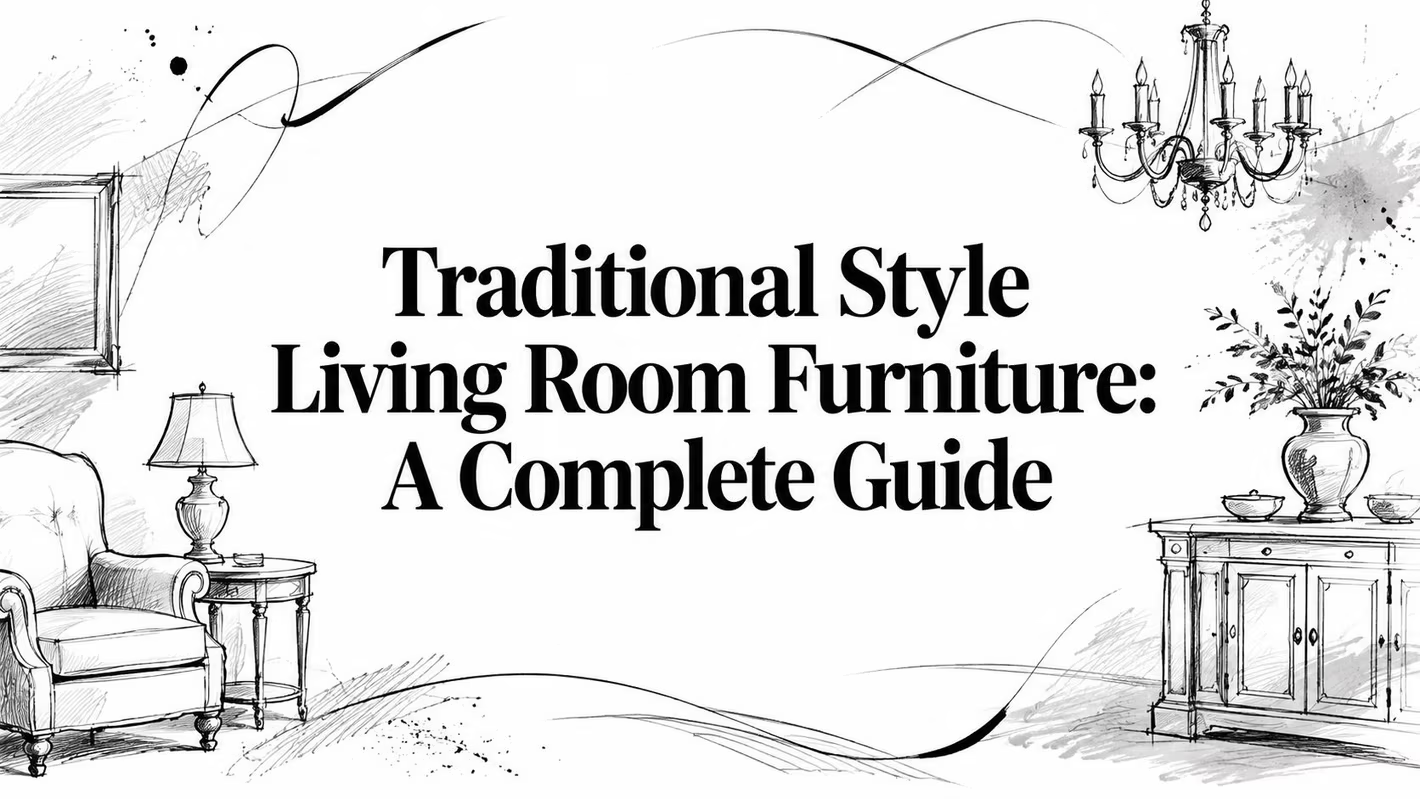
A living room can look finished on paper and still feel wrong in daily life. The sofa may be too deep for the walkway, the coffee table may overpower the seating, or a room filled with dark wood may feel more formal than welcoming. For Bellefontaine and Logan County homeowners, traditional style living room furniture offers a dependable starting point, but the best result comes from adapting classic details to the way a household lives.
Traditional design can feel warm, comfortable, and current when shoppers pay attention to proportion, construction, finish, and flexibility. The right pieces should support family gatherings, quiet evenings, guests, and everyday use, not just recreate a formal room from another era.
What Defines Traditional Style Living Room Furniture
Someone searching for a traditional living room often starts with a feeling rather than a product list. The desired room may include a comfortable sofa, two chairs near a fireplace, polished wood tables, a classic rug, and enough warmth that visitors feel welcome immediately. That feeling comes from several design decisions working together, especially symmetry, visual balance, rich materials, and familiar silhouettes.
Traditional furniture commonly includes rolled-arm sofas, wingback chairs, turned legs, carved accents, and upholstered seating with substantial proportions. Velvet and chenille add softness and depth, while polished woods such as mahogany, cherry, and oak provide a grounded, enduring appearance. These details distinguish the style from modern rooms, which generally rely more heavily on spare forms, minimal ornament, and sleek surfaces. A helpful visual overview of the look appears in this traditional design style guide.
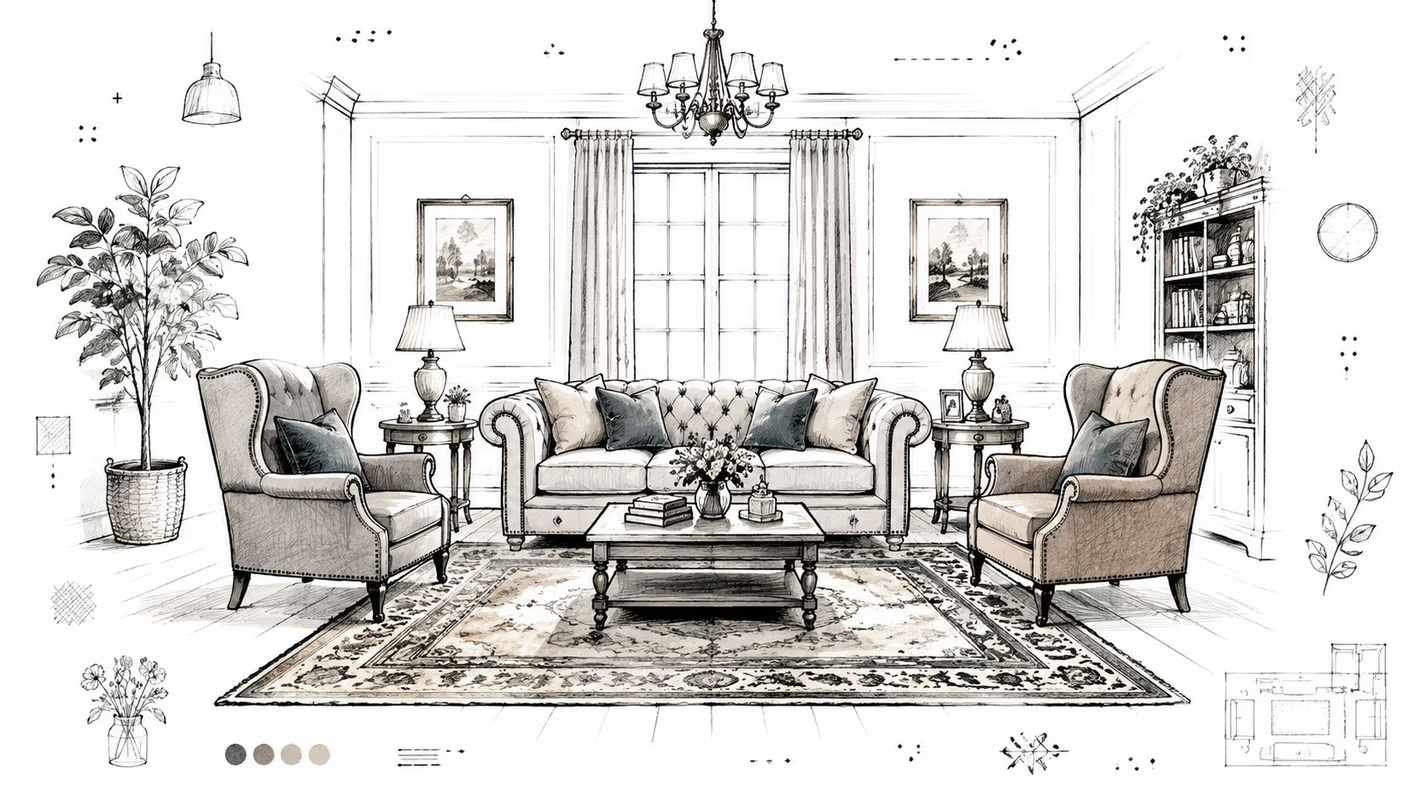
A style shaped by many eras
Traditional furniture doesn't have one single point of origin. Furniture historians commonly trace early traditional influences through the Jacobean period, roughly 1550–1650, followed by colonial, Rococo, revival, Victorian, and Art Nouveau eras, before later modern movements changed household aesthetics. Earlier foundations reach back to Ancient Egypt, c. 3100–30 BCE, where beds, stools, and chests featured carved decoration and luxury materials, showing that furniture could communicate status as well as serve a practical purpose. These historical milestones are summarized in traditional furniture history.
That history explains why traditional style still feels recognizable. It carries forward craftsmanship, ornament, and comfort developed over centuries, but today's furniture can adjust the scale, fabric, and finish for contemporary homes.
Classic doesn't have to mean formal
Symmetry is important, but it doesn't require every item to match perfectly. A sofa can anchor the room while two different chairs balance each other through color, height, or wood tone. Accessories can also bring a traditional room closer to transitional style, which blends classic elegance with cleaner lines and calmer layouts. Readers comparing those approaches may find this resource on transitional style home decor useful.
Practical rule: Traditional style should make a room feel settled and inviting, not staged. Comfort and scale matter as much as ornament.
Essential Traditional Living Room Furniture Pieces
A traditional room becomes easier to plan when each item has a clear job. The sofa usually serves as the anchor, chairs create conversation seating, the coffee table establishes the center, and storage pieces add both usefulness and visual weight. A curated starting point is available in this guide to living room essentials.
Start with the anchor
The sofa should relate to the room's longest wall, main focal point, and expected traffic pattern. A rolled-arm sofa communicates traditional character immediately, but its depth and overall length still need to fit the household. A family that hosts often may prefer a generous sofa, while a room that also serves as a passageway may need a more compact profile.
A wingback chair brings height and structure to the arrangement. It works well beside a fireplace, near a reading lamp, or across from the sofa, but its tall back can feel visually heavy if the room is narrow. A chair with exposed legs or a lighter upholstery color can preserve the silhouette while keeping the composition more open.
Build the center carefully
A substantial coffee table in dark wood often suits the style, especially when its finish connects with end tables or a bookcase. The table shouldn't block movement or force guests to reach uncomfortably from the sofa. A storage ottoman can provide a softer alternative, offering a place for feet, trays, blankets, and household items.
Traditional rooms often include supporting pieces such as:
- Credenzas: Useful for concealed storage and for grounding a long wall.
- Bookcases: Helpful for displaying books, framed art, and collected objects without scattering them across the room.
- Accent tables: Practical beside chairs and sofas, especially when their scale matches the arm height.
- End tables: Strongest when they provide surface space for lighting without crowding the seating.
- Ottomans: Flexible additions that can serve as footrests, extra seating, or a coffee-table substitute.
Arrange for conversation
Traditional layouts often place furniture along the room's axis, with a sofa facing a fireplace or positioned perpendicular to it. Seating usually groups around a focal point, encouraging conversation instead of directing every chair toward a television. That formal appearance comes partly from spatial arrangement, not just from carved wood or patterned upholstery, as explained in this traditional layout resource.
Before ordering, a shopper can mark the proposed furniture footprint with painter's tape. This simple test reveals whether doors, vents, walkways, and nearby furniture remain usable. A balanced room should look composed from the entry while still allowing people to move naturally through it.
Materials, Finishes, and Construction Quality
Traditional furniture earns its character through materials, but appearance alone doesn't reveal how well a piece will perform. A glossy finish may look impressive in a showroom, while the frame, joints, cushion materials, and upholstery determine whether the piece remains comfortable through regular use.
Dark hardwoods such as mahogany, cherry, and oak create the visual foundation of many traditional rooms. A hand-finished surface can show grain and variation rather than appearing perfectly uniform. Buyers comparing wood options can use this guide to choose hardwood furniture for longevity and style.
Velvet and chenille offer a rich, tactile appearance, while leather can bring a more structured and durable feel. Nailhead trim, turned legs, carved details, and patterned upholstery can reinforce the traditional language, but those details should support the room rather than compete with one another. A classic shape in a quieter fabric often feels more current than an ornate shape covered in multiple strong patterns.
Read the frame before judging the finish
For higher-quality upholstered furniture, a practical construction benchmark includes kiln-dried hardwood or quality plywood combined with reinforced joinery. Mortise-and-tenon joints, dowels, corner blocks, glue, and screws help resist racking and loosening more effectively than simple cam-lock or lightweight knockdown construction. Those details matter most on sofas and chairs expected to serve a household for many years.
Seat cushions deserve equal attention. Residential-quality foam commonly falls around 1.8–2.0 lb/ft³, while high-resilience foam is typically 2.0–2.5 lb/ft³; higher density generally means more material per cubic foot, which can improve shape retention and slow breakdown from repeated loading, according to this upholstery foam selection guide.
| Element | Quality Indicator | What to Look For |
|---|---|---|
| Frame | Kiln-dried hardwood or quality plywood | Solid feel, even construction, no avoidable movement |
| Joinery | Mortise-and-tenon, dowels, corner blocks, glue, and screws | Reinforced connection points, especially where rails meet |
| Seat foam | Residential foam around 1.8–2.0 lb/ft³ | Suitable support for regular household use |
| Higher-resilience foam | Typically 2.0–2.5 lb/ft³ | Greater emphasis on shape retention and service life |
| Upholstery | Velvet, chenille, leather, or other suitable fabrics | Even seams, secure attachment, appropriate hand feel |
| Wood finish | Consistent hand-finished or polished surface | Visible grain, smooth edges, no distracting flaws |
Rugs and upholstery also need a maintenance plan. Traditional rooms often include layered textiles, so shoppers should understand cleaning requirements before choosing delicate materials. Guidance on cleaning oriental rugs at home can help households think through routine care for an important foundation piece.
Smith Brothers of Berne and Flexsteel offer custom-order possibilities that let shoppers consider fabric, finish, and configuration alongside construction. At Tanger's Furniture, trained staff can help customers compare those choices without treating a purchase as an impulse decision.
Keeping Traditional Style Fresh and Current
Traditional furniture feels dated when every element speaks in the same historical voice. A room filled with heavy ornament, matching patterns, dark finishes, and formal accessories can lose the relaxed quality most households want today. The solution isn't to abandon traditional design. It's to edit it.
Current trend reporting points toward richer wood tones, dark woods, and more personal, layered rooms rather than strict formality, as described in 2025 living room trend coverage. That direction works naturally with traditional furniture because the style already values craftsmanship, collected details, and material depth.
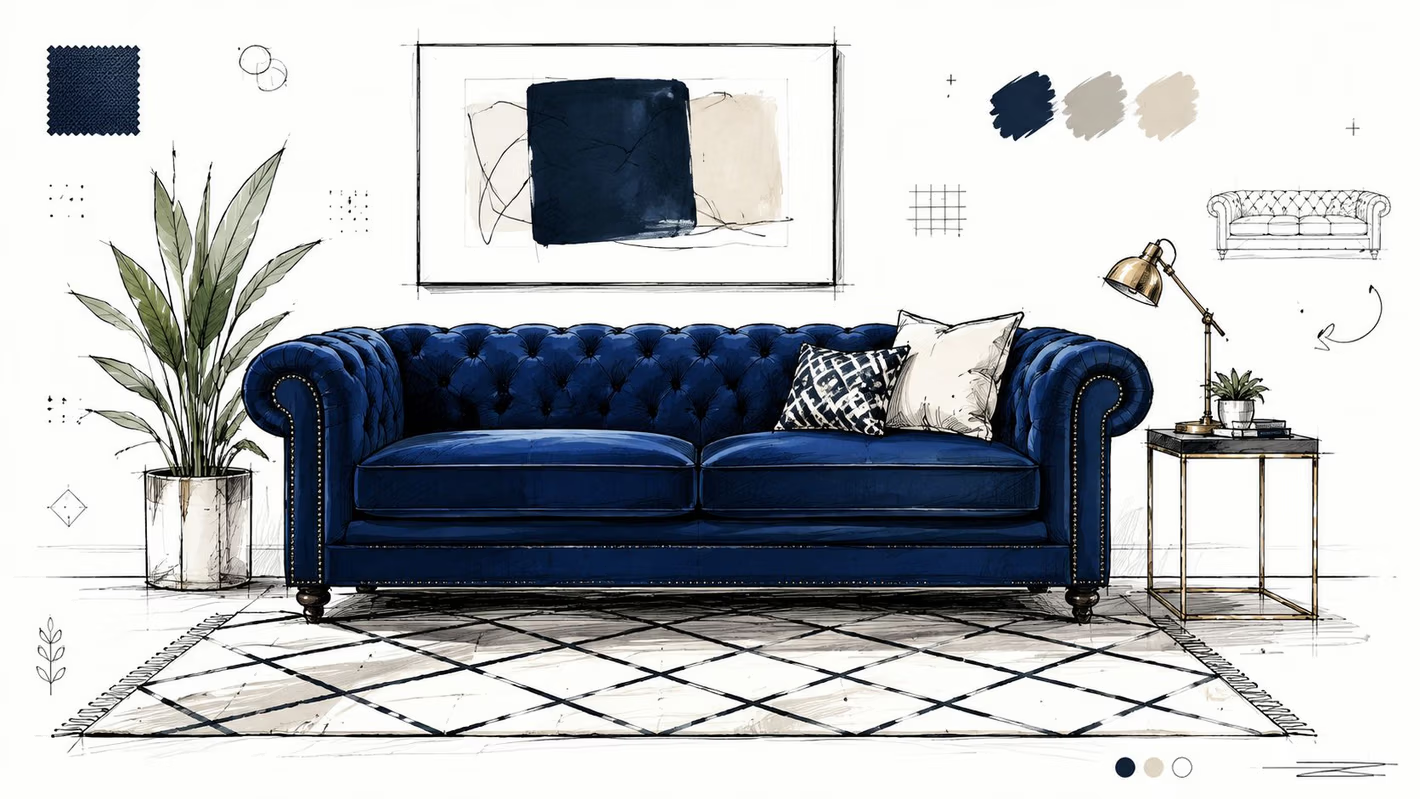
Classic choices that still feel relevant
Dark walnut, visible wood grain, and hand-finished surfaces can look current when the surrounding room has breathing space. A traditional sofa in a solid, saturated fabric can become the main statement, while simpler lighting and fewer accessories keep the room from feeling overloaded.
A classic element usually remains successful when it offers one of three things:
- Useful comfort: A deep chair, supportive sofa, or ottoman earns its place through daily use.
- Craftsmanship: A well-made table or cabinet adds detail without needing decoration everywhere else.
- Personal meaning: Artwork, inherited pieces, and collected objects make the room feel connected to its residents.
Separate timeless from stale
Some details can make a room feel overly formal when used in excess. Multiple matching furniture sets, highly ornate carvings on every surface, and too many coordinated patterns may flatten the room into a showroom display. Replacing one or two pieces with cleaner contemporary accents can restore balance without erasing the traditional foundation.
For example, a rolled-arm sofa can sit with a simple lamp, a curved occasional table, or an uncomplicated piece of art. A dark wood coffee table can pair with lighter upholstery and natural texture. Mixing eras works best when a repeated color, wood tone, or fabric quality gives the room a visual connection.
Design checkpoint: If the room feels heavy, remove repetition before removing character. One strong traditional piece often has more impact than a complete matching set.
Choosing Traditional Furniture for Smaller Spaces
Traditional style works in apartments, modest homes, and multi-use rooms when scale leads the decision. Smaller spaces don't need miniature versions of every formal piece. They need furniture that preserves the style's warmth while leaving enough room for walking, storage, and everyday activity.
A smaller-scale sofa with shaped arms can deliver a traditional profile without consuming the entire room. Exposed legs create visual openness beneath the frame, while a chair with a narrower footprint can provide a classic accent near a window or reading corner. Recent design coverage also points toward small-scale seating, curved pieces, ottomans, and personalized solutions, which supports a more flexible interpretation of traditional rooms, as discussed in this furniture trend guide.
Use a practical sizing sequence
First, measure the room's usable area rather than relying only on wall length. Door swings, radiators, vents, windows, and television placement can reduce the space available for furniture. Then mark the sofa, chairs, and table on the floor so the household can test the pathways before committing.
A compact room may benefit from:
- A sofa with classic lines: Choose classic arms with a manageable depth instead of an oversized profile.
- One statement chair: A single wingback or traditional armchair can establish the style without crowding both sides of the room.
- A storage ottoman: This can serve as seating, a footrest, and concealed storage for blankets or toys.
- Nesting tables: Separate surfaces can move when the room changes from quiet use to entertaining.
- A narrow console: It adds display and storage along a wall without the bulk of a deep cabinet.
Traditional symmetry can also be softened for family life. Matching lamps or end tables may establish balance, while the seating itself can remain varied. A living room that doubles as a homework area or entertainment space should prioritize clear surfaces, durable fabrics, and storage that keeps daily items contained.
The small living room design guide offers additional ways to protect openness while adding personality. The central principle is simple: preserve a clear route through the room, then add traditional detail where it has the most visual and practical value.
Smart Buying Guidance for Traditional Living Room Furniture
A furniture purchase becomes easier when shoppers separate style decisions from performance decisions. The showroom visit should answer practical questions about seat height, cushion firmness, arm width, fabric texture, finish, and overall proportion. The living room furniture buying guide can help households prepare before they begin comparing pieces.
Custom ordering is especially useful when a standard configuration almost works but needs a different fabric, finish, or layout. Select pieces from Smith Brothers of Berne and Flexsteel can be customized through Tanger's custom-order program, with trained specialists helping shoppers review available choices. That approach suits the aspiring designer who wants control without having to coordinate every decision alone.
Make value part of the plan
Budget-conscious families don't have to choose between quality and manageable payments. Flexible financing options are available for any project, and the Low Price Promise is intended to reassure shoppers that value remains part of the conversation. Financing terms and eligibility should be reviewed directly with the store before a purchase.
A local showroom also allows buyers to test the furniture rather than guessing from a photograph. Staff serving the area since 1964 can help compare seat depths, fabric samples, wood tones, and room layouts in a no-pressure setting. Local delivery handles the heavy lifting, while in-house service requests give customers a direct path for reporting concerns after setup.
Commercial buyers have a different planning need. Tanger's Commercial Office division supports small-to-medium projects with executive offices, workstations, ergonomic task seating, conference rooms, and waiting-room furniture. Professional planning can range from simple layouts to complete CAD drawings, and published office planning resources show how furniture layouts may be coordinated with ceiling plans and sections. Modular component libraries also support custom arrangements rather than one fixed configuration.
Making Your Traditional Living Room Feel Like Home
A traditional room earns its place in a home through repeated use. Family members gather around the coffee table, guests settle into supportive chairs, and a well-placed lamp makes a reading corner useful after dinner. The room feels successful when its beauty supports those moments instead of asking people to protect it from daily life.
That balance is especially meaningful in Bellefontaine and Logan County, where home furnishings often need to accommodate family gatherings, changing schedules, and practical routines. A sturdy sofa, a comfortable chair, and storage that keeps clutter contained can create a room that feels established without becoming rigid.
Tanger's Furniture has served the community for nearly 80 years, with roots in local, family-owned service. Its broader home philosophy is straightforward, the goal is to help customers Love Their Home, whether they're selecting traditional seating, planning a bedroom, comparing mattresses at a mattress store in Logan County, or choosing durable appliances such as Speed Queen laundry.
The same consultative approach extends to professional spaces. A local business can receive help with furniture selection, space planning, delivery, and service rather than managing every part of an office project alone. That continuity matters when a room must look polished and function reliably.
The Love Your Home Club gives local shoppers another way to stay connected through exclusive offers and practical design tips delivered to their inbox. Joining can be useful for households still planning a room in stages, especially when a sofa, rug, lighting, and storage pieces need to work together over time.
Visit our showroom in Bellefontaine to see our custom options in person or browse our collections online to start your journey. Have a specific design question? Contact our design staff today or join our Love Your Home Club for expert tips delivered to your inbox.
Tanger's Furniture offers traditional living room furniture, custom-order choices, local delivery, in-house service requests, financing options, and the Low Price Promise for Bellefontaine families and professional clients. Visit Tanger's Furniture to explore classic pieces that can be adapted to a current, comfortable home, and take the next step without pressure.