Wood Finish Options: A Practical Guide for Every Room


A busy Saturday can turn a simple furniture decision into a surprisingly practical conversation. In a Bellefontaine showroom, one family may be studying an oak dining table while worrying about grape juice, crayons, and muddy fingerprints. A local business owner may be examining a walnut conference table and asking for a surface that survives daily meetings without looking like plastic.
Both shoppers are asking the right question. Wood finish options aren't just a style decision. They affect how a piece feels, how it handles moisture and abrasion, how easily it can be repaired, and what chemistry enters the room during application and curing. The attractive finish on a showroom sample still needs to make sense for the household or workplace that will use it.
Finding the Right Finish on Saturday in Bellefontaine
The first step is to describe the furniture's real job. A dining table used by children needs a different balance than a decorative bedroom chest, just as a commercial desk needs a different answer than a lightly used accent table.
At Tanger's Bellefontaine showroom, the two customers on the sofa display might choose completely different finishes for equally beautiful pieces:
- The young parent needs resistance to spills, scratches, heat, and repeated cleaning.
- The small-business owner needs a professional appearance, dependable abrasion resistance, and a surface that won't look overly artificial.
- The design-focused buyer may care most about visible grain, a soft hand-feel, and easy spot repairs.
- The budget-conscious household needs lasting value without paying for protection that the piece will never require.
A useful starting point is the distinction between penetrating finishes and film-building finishes. Penetrating products soak into the wood and leave more of the natural texture available to the hand. Film-building products sit on top and create a protective layer that takes more of the daily abuse.
Practical rule: The harder a piece works, the more valuable a continuous protective film becomes. The more important natural feel and simple repair are, the more appealing a penetrating finish becomes.
A buyer looking for local furniture stores near Bellefontaine should bring more than a color preference to the conversation. Photos of the room, approximate measurements, the direction of strong sunlight, and an honest description of daily use will help a furniture specialist recommend a finish that fits the household.
The rest of the decision comes down to four questions:
- How much abuse will the surface receive?
- How important is the feel of raw or lightly treated wood?
- Can the household handle regular maintenance?
- Does low odor or faster return-to-service matter?
That conversation is more useful than choosing between matte and glossy by appearance alone. A finish that looks perfect under showroom lighting can be the wrong choice for a Logan County home with children, pets, or west-facing windows. A specialist's job is to translate the finish name into everyday ownership.
What a Wood Finish Actually Does
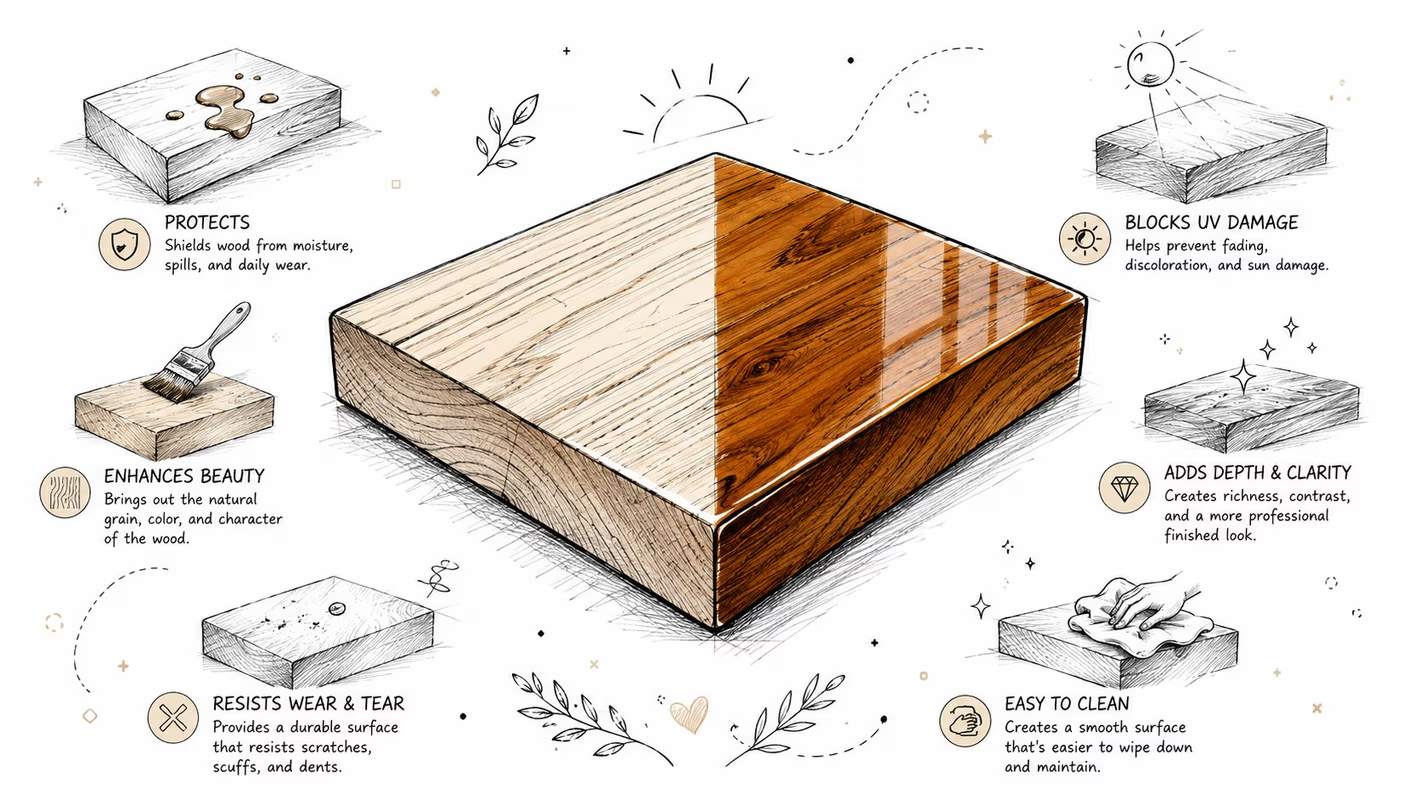
Wood finish protects the surface while shaping its appearance and feel. It can slow moisture movement, reduce staining, resist abrasion, deepen the grain, and make routine cleaning more manageable. No finish eliminates care, but the right one gives the wood a practical defense against the way people use it.
The two broad categories make the rest of the vocabulary easier to understand.
Penetrating finishes
Oils, waxes, hard wax oils, and shellac are commonly discussed as finishes that work close to or within the wood. Oils soak into the fibers and deepen the grain. Waxes add a soft surface layer, often over oil, while hard wax oils combine those behaviors in one system. Shellac builds a warm, traditional surface but still feels less like a thick plastic barrier than a heavy film finish.
These products usually preserve more of the wood's natural texture. They're also easier to blend during a small repair because a damaged area can often be cleaned, lightly treated, and refreshed without rebuilding an entire surface.
The trade-off is maintenance. Penetrating finishes generally need renewal sooner, especially on tables, counters, and other pieces exposed to water and repeated contact.
Film-building finishes
Polyurethane, varnish, lacquer, conversion varnish, and many water-based systems create a layer over the wood. That layer forms a physical barrier against moisture, heat, abrasion, spills, and household handling.
Film finishes usually provide stronger everyday protection, which explains their popularity on dining tables, desks, and high-use casework. They can also be more difficult to repair invisibly. A chip or deep scratch may interrupt the continuous film, and blending a new patch into the surrounding sheen can take careful preparation.
A simple care reference, including practical guidance about protecting wood from scratches and stains, is available in this wood furniture protection guide. For readers comparing surface preparation and coating work more broadly, the premier Stamford painting company brand icon offers additional context from a professional painting company.
Penetrating Finishes That Soak Into the Wood
Penetrating finishes suit buyers who want the grain to remain visible and the surface to feel close to the wood. They're especially attractive on custom dining tables, bedroom furniture, and pieces where a small repair shouldn't require stripping the whole top.
Pure oils
Tung oil and linseed oil soak into the wood, deepen its color, and leave a soft matte appearance. The result feels natural rather than heavily coated, which appeals to buyers furnishing calm bedrooms, reading areas, or lightly used occasional pieces.
The maintenance is the part that deserves honest attention. In a Logan County household with dry winters, an oiled surface may need re-oiling every year or so. That isn't difficult, but it does require a willing owner and careful attention to the product's cure instructions.
Wax
Wax creates a low sheen and a smooth, buffed feel. It's pleasant under the hand and can bring out subtle grain without creating a thick-looking barrier.
Wax alone offers limited protection against water rings, so it's a poor default for a busy family dining table. It works better on decorative furniture, lightly used surfaces, or as a maintenance layer over a compatible oil finish.
Hard wax oil
Hard wax oil combines oil and wax to produce a natural satin feel. Many custom dining tables use this type of finish because small spots can often be buffed and refreshed without refinishing the entire top.
That repairability is its strongest practical advantage. The buyer accepts more maintenance than a heavy polyurethane film, but gains a surface that looks and feels less manufactured. It's a strong choice for a design-conscious household that still wants a dining table to age gracefully.
Shellac
Shellac, including traditional French polish, creates a warm glow and dries quickly. It can make figured wood look exceptionally rich, which is why it remains valued for classic and restoration-oriented furniture.
Water marks shellac easily. For that reason, it's rarely the first recommendation for children's furniture, kitchen-adjacent pieces, or surfaces that receive wet glasses and frequent wiping.
| Finish | Look and Feel | Durability | Ease of Repair | Best For |
|---|---|---|---|---|
| Pure oil | Soft matte, deep grain, natural hand-feel | Light to moderate protection | Easy to refresh | Decorative furniture and low-use rooms |
| Wax | Low sheen, smooth and buffed | Limited water protection | Simple spot renewal | Accent pieces and lightly used surfaces |
| Hard wax oil | Natural satin, tactile grain | Moderate protection | Good for localized touch-ups | Custom dining tables and design-led interiors |
| Shellac | Warm glow, traditional appearance | Sensitive to water | Repairable by a skilled finisher | Classic furniture and restoration work |
Outdoor wood maintenance involves different exposure pressures, so readers comparing natural staining approaches can consult this guide to deck and timber staining Auckland. For interior furniture, a dark wood stain furniture consultation can help match color, grain, and sheen before a custom order is finalized.
Surface Finishes That Build a Protective Film
Film-building finishes are the practical choice when a surface needs to withstand repeated contact. They're less forgiving during repair, but they protect the wood with a continuous barrier that penetrating treatments generally can't match.
Oil-based polyurethane
Oil-based polyurethane is the durability benchmark for many dining tables and commercial desks. It forms a hard film with strong resistance to abrasion, water, and heat, which is why polyurethane is commonly recommended for high-wear furniture and floors (wood finish durability overview).
Its amber tone warms the wood, and its longer cure time requires patience before heavy use. That warmth can be beautiful on walnut or traditional oak, but it may be undesirable when the goal is a pale, clear appearance.
Water-based polyurethane
Water-based polyurethane stays clearer and dries faster than many oil-based systems. It also has lower VOC content than many conventional polyurethane and conversion varnish systems, according to EPA furniture-coating material.
For interior furniture and casework, industry guidance describes water-based polyurethane and acrylic cross-linking water-based finishes as offering fine to excellent durability, with strong abrasion, solvent, stain, and chemical resistance, plus low VOCs and good clarity (wood finishing system guidance). The feel can be slightly more surface-like or plasticky, which is the price of a clear protective film.
Varnish
Varnish is a broad category rather than one single recipe. Oil-modified varnishes can bring a warmer appearance, while blends using tung or linseed oil may emphasize richness and depth.
For outdoor exposure, varnish requires a realistic maintenance plan. USDA research reports that exterior varnish finishes generally require refinishing every 1 to 2 years, while transparent water-repellent preservatives are among the least durable natural finishes (USDA exterior wood finish research).
Lacquer and conversion varnish
Lacquer creates the smooth, sprayed appearance associated with furniture-shop finishing. It offers strong rub resistance, but spot repair can be difficult because a small repair may change the sheen or leave a visible blend line.
Conversion varnish is the commercial workhorse. It suits office casework, reception counters, and other professional environments where daily wipe-downs and repeated contact demand a tougher surface. Buyers should also plan for proper ventilation during application and curing.
| Finish | Typical Look | Durability | Repair Difficulty | Best Use |
|---|---|---|---|---|
| Oil-based polyurethane | Warm amber, clear-to-gloss film | High for interior wear | Moderate to difficult | Dining tables and desks |
| Water-based polyurethane | Clear, clean, lower-odor appearance | Fine to excellent, depending on formulation | Moderate | Bedrooms, casework, and family furniture |
| Varnish | Clear to warm amber | Varies by chemistry and exposure | Moderate | Interior pieces and selected outdoor uses |
| Lacquer | Smooth sprayed shop finish | Strong rub resistance | Difficult to blend | Finished furniture and cabinetry |
| Conversion varnish | Professional, durable film | High for commercial use | Difficult | Office casework and reception counters |
For broader outdoor coating decisions, this explanation of whether to paint or stain your deck helps clarify why exterior surfaces need a different maintenance expectation from indoor furniture.
Matching the Finish to Real Household Life
Finish selection becomes easier when the room's routine leads the conversation. Logan County households don't use furniture in laboratory conditions. They use coffee tables as play surfaces, dining chairs as climbing obstacles, and desks as places for hot drinks, schoolwork, and delivery boxes.
Kids and pets
A child dragging a toy truck across a coffee table creates an abrasion problem. A dog's nails striking a chair rail create repeated impact at the edges. A film-building finish usually wins for these situations, particularly water-based polyurethane when low odor and clear color matter.
The trade-off is feel. A film finish won't feel as close to raw wood as an oil or hard wax oil, and a deep scratch may be harder to disguise. Families choosing a natural oil for a nursery should also respect the full cure window and product instructions before placing the piece in service.
Sunlight
West-facing windows can change the appearance of oak, walnut, and stained furniture over time. UV-curable finishes are recognized for durability, chemical resistance, and lower yellowing, making UV stability a meaningful consideration for furniture near strong sunlight (wood finish trend and chemistry discussion).
Window placement, curtains, and furniture rotation still matter. A finish can slow visible change, but it can't make wood immune to sunlight.
Cleaning and indoor air
Weekly cleaning favors a finish that tolerates gentle wiping, but harsh or abrasive cleaners can damage either category. Waterborne products generally bring materially lower VOC content than many conventional solvent-based systems, while pure oils such as tung or linseed are often described as very low-VOC or zero-VOC choices (wood finish and indoor-air comparison).
A commercial buyer selecting conversion varnish needs to plan application ventilation. A parent choosing a low-odor water-based finish needs to remember that lower odor doesn't mean the surface is ready for immediate heavy use.
A finish choice is also a household routine choice. The best coating is the one that matches how people clean, protect, and live with the furniture.
Choosing the Right Finish for Each Piece
The same wood finish shouldn't cover every item in a home. A dining table, dresser, office counter, and outdoor bench face different risks, so each deserves a clear default.
Dining tables
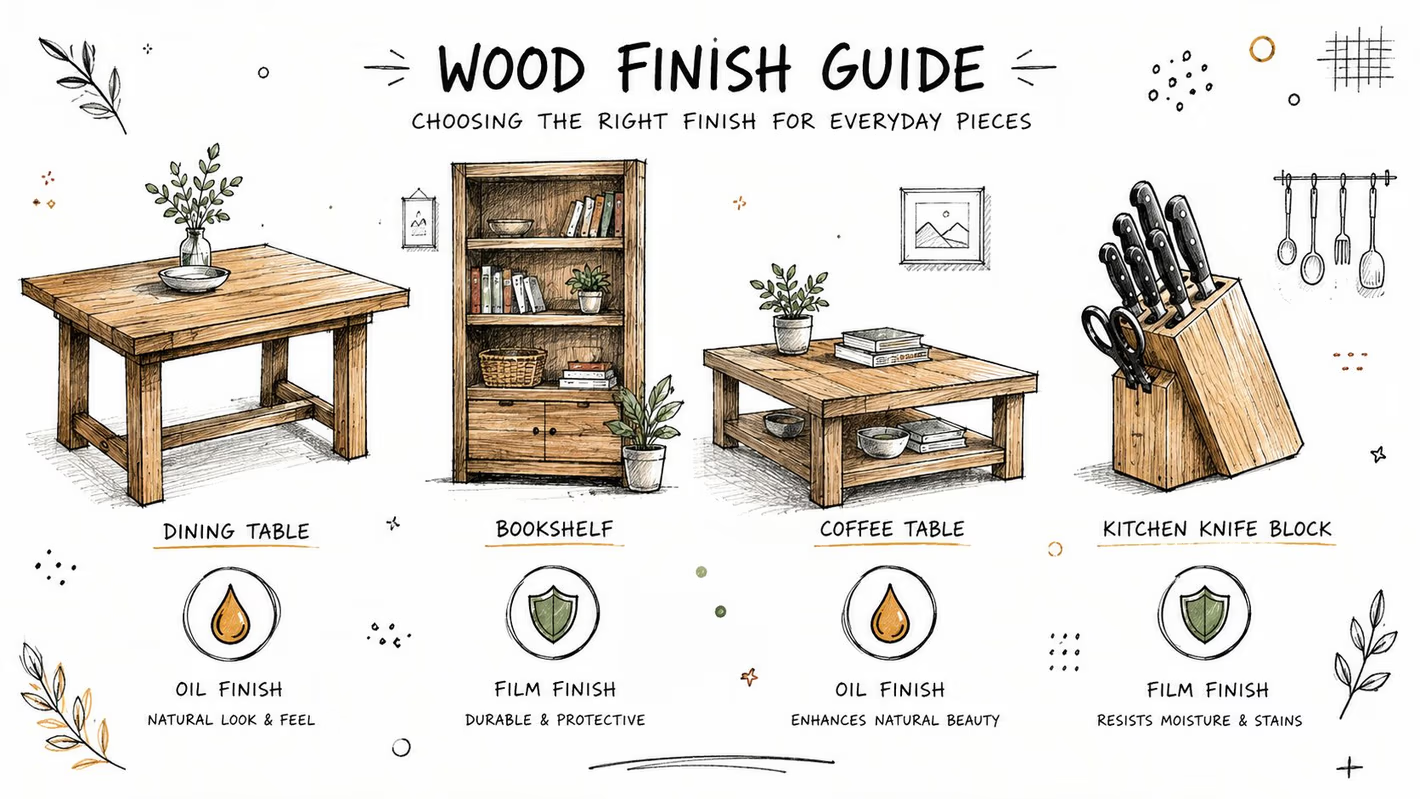
Dining tables face hot dishes, spilled drinks, food residue, and repeated wiping. Oil-based polyurethane is the most reliable default for a busy residential table, while conversion varnish makes sense when a commercial-grade surface is needed.
A hard wax oil remains a sound choice for a household that values natural feel and accepts regular care. The Tanger specialist's usual recommendation for a high-use dining table is oil-based polyurethane, unless clear color or lower odor makes water-based polyurethane the better fit.
Bedroom dressers
Dressers need protection from cosmetics, dust, clothing hardware, and occasional spills, but they don't usually face the same abuse as dining tops. Hard wax oil keeps the grain tactile and makes localized refresh work practical. Water-based polyurethane suits a buyer who wants lower odor and a clearer film.
The most balanced default is water-based polyurethane for a family bedroom and hard wax oil for a quieter, design-led room.
Commercial desks and reception counters
Commercial furniture must handle daily contact, cleaning, and visible presentation. Conversion varnish or catalyzed lacquer provides the durable professional surface that office casework and reception counters often require.
For a business owner furnishing a small office, Tanger's Commercial Office division can support space planning, office furniture selection, and finish coordination. The specialist's default for a hard-working desk or reception counter is conversion varnish.
Kids' furniture
Children's pieces benefit from low-VOC natural oils or water-based finishes, provided the manufacturer's full cure instructions are followed. Natural oils feel pleasant, but water-based polyurethane offers a stronger barrier against spills and repeated cleaning.
The default recommendation is water-based polyurethane for practical family use, with low-VOC oil reserved for buyers who prioritize natural feel and can manage maintenance.
Outdoor pieces
Outdoor furniture needs exterior-specific protection. Teak oil can suit certain maintenance-driven applications, while marine-grade spar varnish is the choice when a film finish is required and the owner accepts regular refinishing.
The default is a finish formulated for exterior exposure, not an interior polyurethane carried outdoors.
Care Touch Ups and Your Next Step
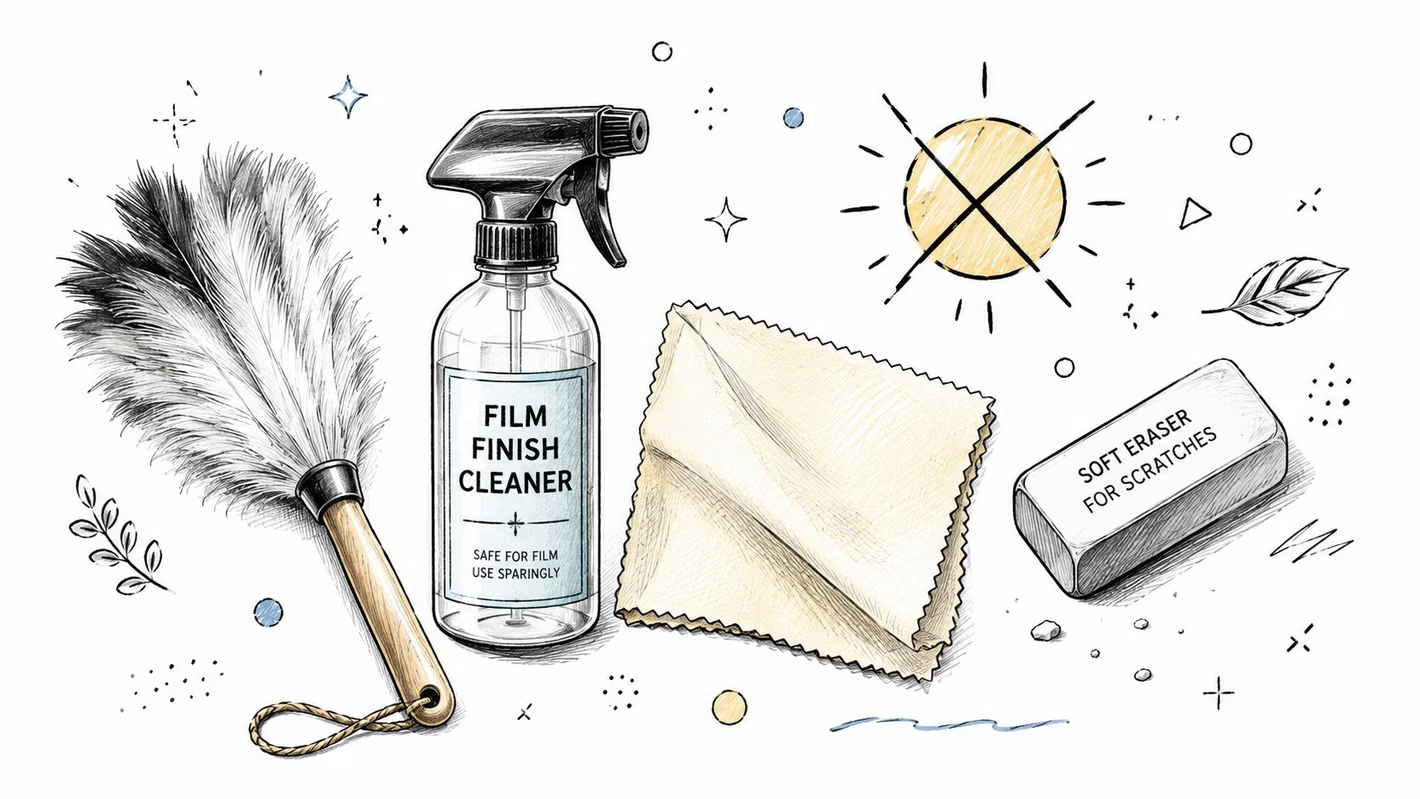
Good care is simple, but consistency matters. Dust with a soft cloth, clean with a gentle product appropriate for the finish, and keep abrasive pads and harsh chemicals away from the surface. Coasters, felt pads, and protection from direct sunlight reduce moisture rings, scratches, fading, and premature finish breakdown, as outlined in this wood furniture care guide.
For oiled furniture, use the approved maintenance oil rather than a random household polish. For film-finished pieces, wipe spills promptly and avoid aggressive scrubbing. Water rings and light scratches may respond to finish-specific touch-up products, but deep damage, widespread clouding, or significant sun fade usually deserves professional assessment instead of an improvised repair.
A small touch-up kit can stay near the furniture:
- Soft cloths: Keep separate cloths for dusting and product application.
- Matching marker: Use it for small edge scratches, after testing in an inconspicuous area.
- Paste wax: Reserve it for compatible waxed surfaces.
- Felt pads: Place them under décor, lamps, and frequently moved objects.
A finish consultation becomes much more useful when shoppers bring room measurements, furniture photos, or a Pinterest board. Tanger's Furniture can discuss custom finish choices through brands such as Flexsteel and Smith Brothers of Berne, arrange local delivery, handle in-house service requests, and discuss flexible financing for a residential or commercial project. The store's family-owned roots, heritage reaching back to 1946, and design history beginning in 1964 support a no-pressure showroom experience for Bellefontaine and Logan County customers, whether they're furnishing a home, a commercial office, a custom sofa, a mattress store Logan County need, or a room that also requires Speed Queen laundry.
Visit our showroom in Bellefontaine to see custom wood finish options in person, or browse Tanger's Furniture to start a project with practical guidance, local delivery, service support, flexible payment options, and the Low Price Promise. Have a specific design question? Contact the design staff or join the Love Your Home Club for exclusive offers and expert tips delivered to the inbox.