Your Guide to Interior Design Consultation Cost

An initial interior design consultation typically costs $150 to $500 and often lasts 2 to 4 hours. That fee is usually the first step, not the whole project, so its value comes from understanding what that meeting includes and how it guides the next decisions.
A lot of homeowners reach this point at the same moment. One room feels unfinished, another feels dated, and a phone full of saved inspiration photos still hasn't turned into a clear plan. The question usually isn't just “What will a designer charge?” It's “Will this help avoid mistakes, stay on budget, and finally make the room feel right?”
That's where a consultation helps. For families in Bellefontaine and across Logan County, the first design conversation often brings structure to what felt scattered. It turns a pile of ideas into priorities, and it helps people see whether they need simple advice, furnishing support, or a larger room plan.
Table of Contents
- Starting Your Home Project Our Guide to Design Costs
- What Is an Interior Design Consultation
- How Designers Charge Decoding the Pricing Models
- Key Factors That Influence Your Final Cost
- How to Maximize Value and Manage Design Costs
- Your Design Questions Answered
Starting Your Home Project Our Guide to Design Costs
A familiar starting point
One of the most common home stories starts with a blank corner, an aging sofa, or a room that never quite came together. A homeowner stands in the middle of the space, knows it could feel warmer and work better, but doesn't know which decision should come first. Paint? Rug? Sofa? Layout? Lighting?

That uncertainty is normal. Design costs feel confusing because people often hear one number for a consultation, another for hourly design work, and a completely different number once furniture, delivery, and planning are involved. A helpful starting point is often a practical resource like this step-by-step interior design guide, especially for readers who want to organize ideas before booking help.
Many local shoppers also want to know what the process looks like before they commit to anything. A useful next read is this guide on how to start the interior design process for a room, which walks through the early planning stage in simple terms.
Why the first conversation matters
A consultation isn't just another bill. It's often the point where a room stops being a guess-and-check project and starts becoming a plan. That matters for a family choosing a custom sectional, a first-time buyer furnishing a starter home, or a business owner setting up a waiting area that needs to look polished and hold up well.
A well-run first meeting can save more frustration than a rushed purchase ever saves in money.
For a store with roots in the community dating back to 1946, and design service history reaching back to 1964, the most helpful approach isn't pressure. It's clarity. That local showroom style matters because people usually don't need a lecture. They need someone to sort through what stays, what goes, what fits, and what can wait.
What Is an Interior Design Consultation
What happens during the meeting
An interior design consultation is a focused working session. It's where a designer studies the room, asks how the space is used, notes the household's style and budget, and spots practical constraints before purchases begin. According to HomeAdvisor's interior designer cost guide, an initial consultation commonly ranges from $150 to $500 and typically lasts 2 to 4 hours.
That time usually goes toward useful groundwork, not small talk. The designer may review room measurements, traffic flow, seating needs, lighting issues, color direction, and whether existing pieces should stay. In many homes, that first session also uncovers the hidden problem. The room may not need more furniture. It may need a better layout.
Readers who want another plain-language explanation of how consultation fits into the broader planning process may find this Vancouver renovation guide useful. It helps show why the first meeting is often about scope and decisions, not decoration alone.
Practical rule: If the household can describe what feels wrong but can't yet name the solution, a consultation is often the right first move.
For anyone considering local help with this step, these interior design consultation services show the kind of support that can be tied to furnishing decisions rather than abstract advice alone.
How it differs from full-service design
Many people misunderstand this point. A consultation is usually a starting session, not an all-inclusive design package. It may provide recommendations, direction, and a plan for next steps, but it doesn't automatically include furniture ordering, project management, installation oversight, or ongoing revisions.
A simple way to think about it is this:
- Consultation: A strategic meeting that clarifies the room, priorities, and likely path forward.
- Ongoing design work: Additional help that may include sourcing, drawings, purchasing support, scheduling, and installation coordination.
- Full furnishing project: A broader effort where design guidance connects directly to product selection, delivery, and setup.
That distinction matters because people often compare fees without comparing scope. A lower quote may cover advice only. A higher quote may include much more labor behind the scenes. The smartest question isn't just “How much is the consultation?” It's “What decisions will be clearer after it's done?”
How Designers Charge Decoding the Pricing Models
A good way to understand design pricing is to compare it to building a room plan. One family may need a quick expert opinion on layout and scale. Another may want ongoing help with selecting every piece, placing the order, and coordinating delivery. The price structure changes based on how much of that work the designer handles.
National pricing guides show that interior design is commonly billed in four ways: hourly, flat fee, by square foot, or through product-based compensation. Thumbtack's interior designer cost page places many interior design services in the $60 to $125 per hour range and reports fixed-price projects from $494 to $2,460, with a typical payment of about $1,103. Sweeten's breakdown of interior designer costs also describes hourly, flat-fee, and square-foot pricing, with $100 to $200 per hour as a common range, higher-end firms reaching $500 per hour, $5 to $15 per square foot for planning, and commission-based arrangements that can add 10% to 40% of merchandise costs.
Those numbers are useful, but the billing method matters just as much as the amount. Two quotes can look similar on paper and feel very different once the project starts.
For shoppers trying to connect pricing to actual furnishing decisions, this guide to furniture stores with design services shows how consultation, product selection, and delivery support can work together under one roof. That local, full-service model often gives households a clearer picture of what they are paying for, because the advice is tied to real furniture, real room measurements, and real next steps.
Common Interior Design Pricing Models
| Pricing Model | How It Works | Typical National Range |
|---|---|---|
| Hourly | The client pays for the designer's time spent consulting, planning, and making selections. | Often cited in national guides at roughly $60 to $125 per hour, with some firms charging more |
| Flat fee | The client pays one amount for a defined scope of work. | Fixed-price projects are often listed from $494 to $2,460, with a typical payment around $1,103 |
| Square foot | The fee is based on the size of the space being planned. | Commonly listed at $5 to $15 per square foot |
| Commission or markup-based | The designer's compensation is tied to merchandise purchased for the project. | Often described as 10% to 40% of merchandise cost |
Here is how those models usually feel from the client side.
Hourly pricing fits early-stage projects. If a homeowner wants help with flow, scale, or narrowing choices, paying for time can make sense. It works a bit like hiring a professional for diagnosis first, then deciding how much added help to buy.
Flat-fee pricing is easier to budget because the scope is defined in advance. The tradeoff is that the details matter. One flat fee may include a single room plan and product suggestions. Another may include revisions, sourcing, and install-day support.
Square-foot pricing is more common when the work is tied to larger planning jobs. It gives a fast way to estimate cost, but square footage alone does not explain complexity. A simple guest room and a kitchen remodel can be the same size and require very different levels of labor.
Commission-based or markup-based pricing is tied to what gets purchased. This can work well in a full furnishing process, especially through a local store, because design help and product ordering are connected. The key is transparency. Clients should understand whether the design advice is included, partially credited, or added through product pricing.
That last point matters in real homes. A local, full-service furniture store can sometimes remove friction because the consultation is not floating on its own. It connects directly to sofas, dining sets, rugs, delivery scheduling, and room-by-room decisions. For projects that blend design help with furnishing, that structure often feels more concrete than hiring advice in one place and buying pieces somewhere else.
The same pattern shows up in remodeling too. Aureli Construction's Boston kitchen guide is a good example of how design decisions gain cost implications once layout, materials, and project coordination enter the picture.
Clear pricing starts with scope. A helpful quote should show what the client receives, how long the help lasts, and whether purchasing support is part of the arrangement.
Key Factors That Influence Your Final Cost
What changes the number
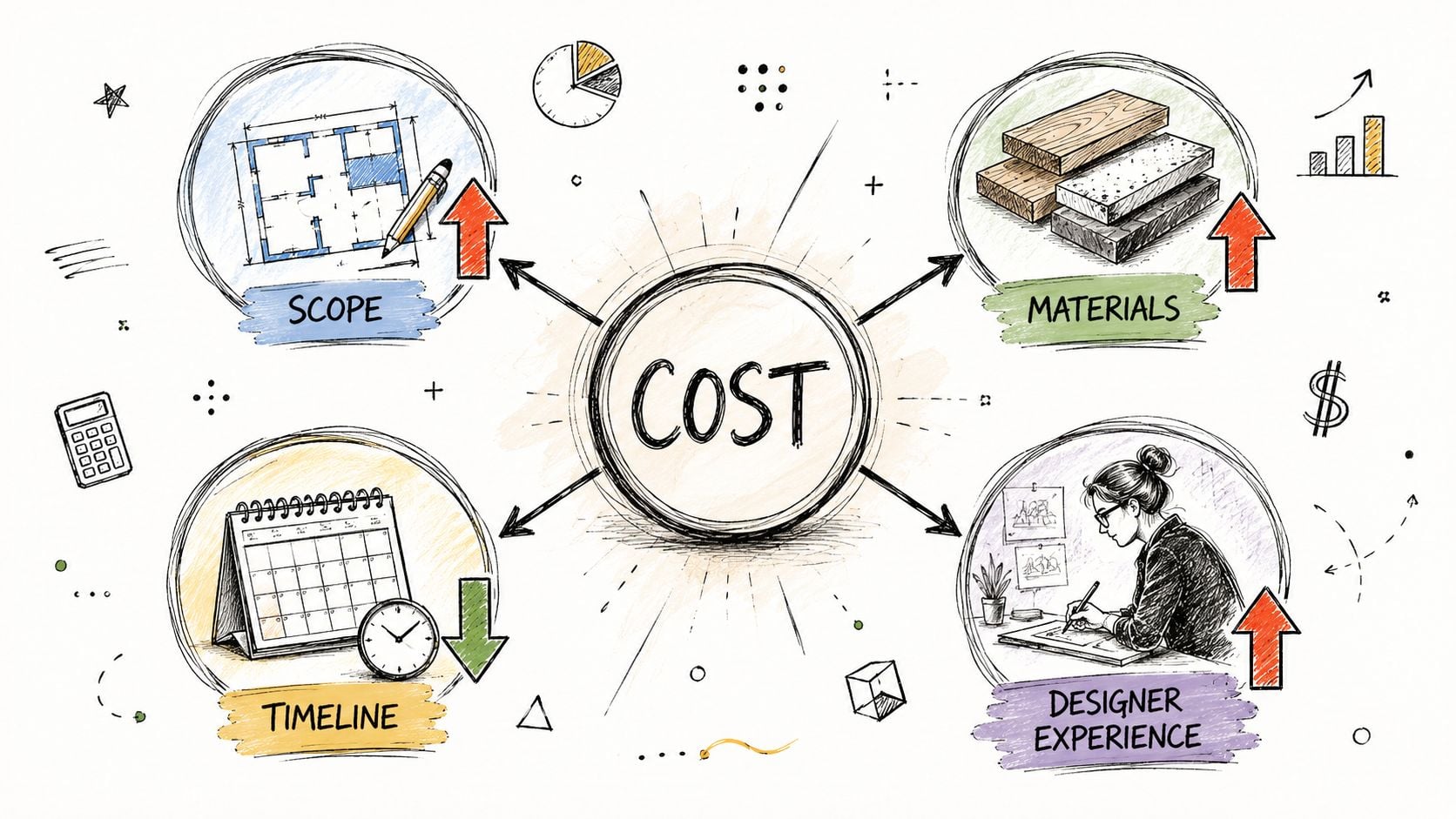
Two consultations can start with similar pricing and still lead to very different final costs. The reason is simple. The consultation fee may only cover advice, while the rest of the project depends on how much additional work the client wants or needs.
Pacaso's guide to interior designer pricing notes that many initial consultation fees in the $150 to $500 range cover advice only. The same guide says full-service projects may add fees of 10% to 30% of project cost, along with other pricing structures such as $5 to $20+ per square foot or online design packages priced from $159 to $2,099.
That's why one family may pay for a consultation and then handle shopping themselves, while another may want help choosing every fabric, finish, and accessory. A business owner furnishing a reception area may need planning support, durable products, and layout guidance that goes well beyond the first meeting.
A renovation-focused read like Aureli Construction's Boston kitchen guide can also help readers see how finish choices, layout complexity, and material coordination quickly affect the total scope of a project.
Questions worth asking before saying yes
A good consultation quote should lead to a few direct questions.
- What is included in the fee: Does it cover advice only, or does it also include measurements, a layout, product suggestions, or follow-up notes?
- What happens after the consultation: Will the client receive a shopping plan, sourcing help, or a proposal for the next phase?
- How detailed are the deliverables: A verbal conversation costs less labor than drawings, room plans, or itemized furnishing recommendations.
- Will the project involve space planning: Larger or trickier rooms often need more technical thinking, especially when traffic flow matters.
- Are purchases and coordination separate: Procurement, scheduling, and issue resolution can add work that isn't part of the first meeting.
People planning a room often benefit from learning the basics of space planning because layout mistakes can create costs long before a sofa or table is ever ordered.
The cheapest consultation can become the most expensive path if it leaves the client unclear about scope, measurements, or what comes next.
How to Maximize Value and Manage Design Costs
A family walks into a showroom with three phone photos, a rough room sketch, and a budget range they feel a little nervous saying out loud. That may not sound like much, but it is often enough to turn a vague idea into a workable plan.
The goal is not to show up with every answer. The goal is to give the designer a clear starting point. A consultation works a lot like a road trip map. If the starting point and destination are clear, the route gets easier, and expensive wrong turns become less likely.
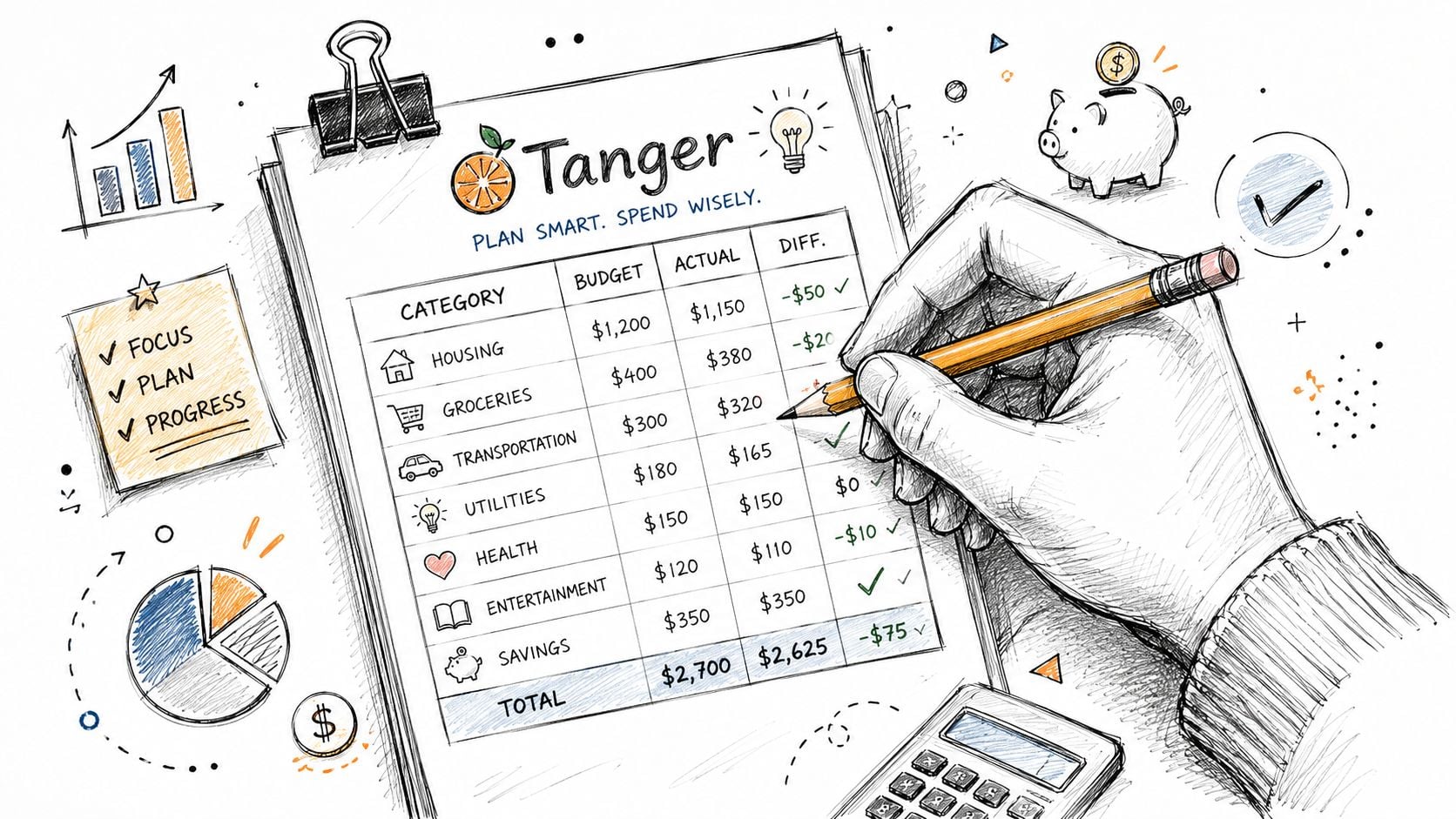
For households trying to keep spending in check, this guide to decorating a living room on a budget can help sort immediate needs from later upgrades before the appointment.
Here is what helps most before a consultation, especially when the process may continue into furniture selection, customization, delivery, and setup through a local full-service store like Tanger's:
- Bring room measurements: Even simple wall lengths, window locations, and doorway widths help prevent sizing mistakes.
- Save a few photos you like: Designers can spot patterns in comfort level, color preference, and furniture style much faster from images than from broad labels like "modern" or "traditional."
- Note what is staying: A recliner from dad, a favorite rug, or existing artwork changes the plan from the start.
- Set a spending range, not one exact number: That gives room to discuss good, better, and best-fit options without guessing.
- List the room's real job: A living room for watching movies, hosting grandchildren, and hiding clutter needs a different plan than a formal sitting room.
- Ask what happens after the meeting: Clear next steps help you judge whether the fee leads to a shopping list, a room plan, product recommendations, or a phased furnishing plan.
Those preparation steps matter even more in a local integrated process. At Tanger's, the consultation is not just a stand-alone conversation that leaves you to solve the rest alone. It can connect directly to floor samples, fabric choices, custom-order options, financing, delivery, and follow-up service. That reduces the gaps where confusion usually starts. You are not taking advice in one place, shopping in another, and troubleshooting somewhere else.
That kind of continuity has real value.
A sofa that looks right in a photo can feel oversized once traffic flow, end tables, and recliner clearance are added. A fabric that seems perfect online can read differently under showroom lighting or feel wrong for a home with pets and kids. A phased plan can also protect the budget. You might buy the anchor pieces first, then add tables, lamps, or accent seating later, instead of rushing into a full-room purchase that does not hold together.
Local support also makes the process easier to manage after the consultation. If the plan includes custom upholstery, delivery coordination, or service after purchase, those details are part of the total value, not separate headaches to solve later. That is where a full-service furniture store offers something more concrete than a generic fee chart. It gives households in Bellefontaine and nearby communities more clarity, more control, and one connected path from first ideas to a finished room.
A design budget usually works best when the household decides which pieces need to serve the room for years, and which pieces can wait for a second phase.
Your Design Questions Answered
Is a consultation worth it for one small room
Often, yes. A small room works like a tight kitchen. Every inch has to do its job. A consultation can catch the common mistakes early, such as choosing a sofa that blocks the walkway or tables that make the room feel chopped up instead of comfortable.
What if some furniture is already staying
That is a normal starting point. A good consultation does not begin with replacing everything. It begins with sorting what still works, what needs support, and what should be updated first.
That approach usually saves money and gives the room more character. A family heirloom, a solid dresser, or a chair with the right proportions can become the piece the rest of the plan is built around.
Can design help work for offices and waiting areas too
Yes. These rooms need more than style. They need furniture that holds up well, supports traffic flow, and helps people feel at ease while they work, wait, or meet.
Commercial planning also benefits from the same kind of clear guidance homeowners want. You need to know what fits, what lasts, and what makes sense before ordering.
What if the household needs flexible payments
Flexible payments can make a project easier to pace. Instead of forcing every purchase into one decision, a household can start with the pieces that matter most, then add the rest in a way that feels manageable.
That matters with long-use purchases like sofas, bedroom furniture, and mattresses.
If you want to talk through a room in person, Tanger's Furniture gives Bellefontaine-area households a practical way to do that. You can bring photos, room measurements, and questions, then look at materials, comfort, scale, and custom options in one place. That makes the cost conversation clearer because the plan is tied to real products, real rooms, and local support after the sale.
Contact the design staff for help with a specific space, ask about financing and delivery, and explore options in the showroom or online.