Your Guide to Styling a Bench with Fur in Your Home


You spot a bench with fur in a photo online and immediately know why people save it. It softens a room in seconds. It looks polished without feeling stiff. It can make a bedroom corner, entry wall, or sitting area feel finished.
Then the practical questions show up just as fast. Will it hold up in a busy house? Will it shed everywhere? Is it something you use, or something you just look at?
Around Logan County, that's usually the moment the actual conversation starts. Families want a home that feels inviting, but they also want furniture that works on a Tuesday morning when everyone's rushing out the door. That balance has guided our advice since 1946, and it still does.
Bringing That Cozy Fur Bench From Your Feed to Your Home
A lot of shoppers come in with the same hesitation. They've seen a bench with fur styled beautifully in a bedroom or foyer, but they're trying to picture it in a real home with backpacks, pets, guests, and daily routines. That's a smart instinct.
Historically, a bench with fur is part of the larger upholstered bench family, which became popular as a flexible seating option for bedrooms, entryways, and living spaces, as shown in World Market's faux-fur bench category. That history matters because it reminds us this piece wasn't invented just for photos. It grew out of a furniture type people already used in practical ways.
What's changed is the role it plays. Today, faux-fur benches are usually sold as accent furniture, not hard-working primary seating. That's not a drawback. It's the clue that helps you use one well.
A fur bench usually succeeds when it adds warmth, softness, and a place to pause, not when it's expected to take the hardest wear in the room.
If you're trying to judge whether the piece you love online will translate to your actual space, it helps to start with the same habits we recommend for any upholstered purchase. Compare angles, scale, texture, and room context before you commit. This quick guide on using online furniture photos to buy more confidently is a good place to slow down and look past the styling.
For most homes, the right question isn't “Should I get a fur bench?” It's “Where will this texture make life better, and where will it become a chore?” That's where good design gets practical.
Choosing Your Perfect Fur Bench Beyond the Fluff
The outside gets your attention. The inside determines whether you'll still like the piece a few years from now.

Start with the cover material
When people ask about a bench with fur, they usually mean faux fur. That's what most shoppers are seeing in current retail assortments, and for many households it's the more practical starting point.
Faux fur gives you the plush look without asking you to treat the bench like a fragile specialty piece. It also fits the wider move toward animal-free upholstery in home furnishings. Real sheepskin has its own appeal, but it tends to raise more questions around care, variation, and how it behaves in everyday use.
If you want to get more familiar with fabric quality cues before shopping, this guide to choosing high-quality faux fur is useful because it helps you look at backing, feel, and finish instead of judging by color alone.
What matters more than the fur
Construction is where many shoppers either save themselves trouble or buy trouble by accident. For a bench upholstered with fur or faux-fur, the most reliable workflow is a sealed, load-bearing substrate such as kiln-dried hardwood, then high-density foam where cushioning is needed, then a cover with a stable backing that can be cleaned or replaced, according to Tournesol's custom bench guidance.
That tells you two important things:
- The fur isn't the structure. It's the tactile finish.
- A removable or serviceable cover is a real advantage. Plush textiles take wear at seams and corners faster than many flat weaves.
Practical rule: If a bench feels great on top but the frame story is vague, keep asking questions.
A simple buying checklist
Not every shopper needs the same level of detail, but these checks rarely steer you wrong:
- Ask what the frame is made of. Kiln-dried hardwood is a strong answer. A clear answer matters more than a decorative description.
- Check how the cover is attached. Hidden staples can work. Zipper access or removable panels are even better if you care about long-term maintenance.
- Look at the backing. Fur with a stable backing usually behaves better than loosely built fabric that stretches too much.
- Think about who's using it. A bedroom vanity bench faces a different life than an entry bench near muddy shoes.
- Read beyond the product photo. Materials and upholstery details tell you more than the styled room ever will.
Here's a useful way to compare what you're seeing:
| Option | Usually works well for | Watch-outs |
|---|---|---|
| Faux-fur bench | Bedrooms, dressing areas, low-traffic sitting spots | Can trap dust and needs regular light grooming |
| Real sheepskin style | Texture-forward spaces where natural variation is welcome | More maintenance questions, less forgiving for busy family use |
| Storage bench with fur texture | Bedrooms where you want softness plus function | Lid use adds wear, so hardware and upholstery finish matter |
If you want a broader foundation before you choose any upholstered piece, this upholstery materials guide helps sort out how textures behave in daily life.
The same standards people use when they shop for custom sofas Ohio homeowners want to keep for years apply here too. Good upholstery starts with honest construction, not a trendy surface.
Finding the Right Fit for Your Room
A bench with fur can look thoughtful and polished, or slightly off, with very little middle ground. Scale is what decides that.

One current faux-fur upholstered bench is listed at 25.6 inches long with a clear acrylic X-leg base in Glitzhome's product specifications. That's a helpful reminder that these benches are often meant for specific placements, not broad catch-all use.
Where a fur bench usually works best
In a home, the most natural placements are spaces where people pause instead of camp out. Think dressing areas, foot-of-bed placement, a quieter entry wall, or a sitting nook that needs softness.
A few reliable rules of thumb help:
At the foot of the bed
Keep the bench visually narrower than the mattress so it looks intentional instead of crowded.In an entryway
Leave breathing room around it. You want a place to sit and remove shoes, not a traffic bottleneck.In a living room
Match it to nearby seat heights if you want it to function as occasional seating.
If the bench is the first thing people have to squeeze around, it's too large for the spot no matter how pretty it is.
When the room fights the piece
Some rooms ask too much from a fur-covered surface. Tight circulation paths, heavy daily shoe traffic, and kid-centered drop zones usually call for something easier to wipe down.
That doesn't mean the idea is wrong. It just means the placement should shift. A nearby bedroom wall, reading corner, or dressing space often gives you the same soft look with less maintenance pressure.
For shoppers trying to get proportions right before delivery day, this furniture measuring guide can save a lot of frustration.
It also applies to professional spaces
These same proportion rules matter in business settings. Reception areas and waiting spaces often benefit from one textural accent piece, but they still need clear movement and dependable seating for everyday use.
That's why a fur bench tends to work better as a finishing touch than as the main seat people rely on all day.
Styling a Fur Bench in Your Home
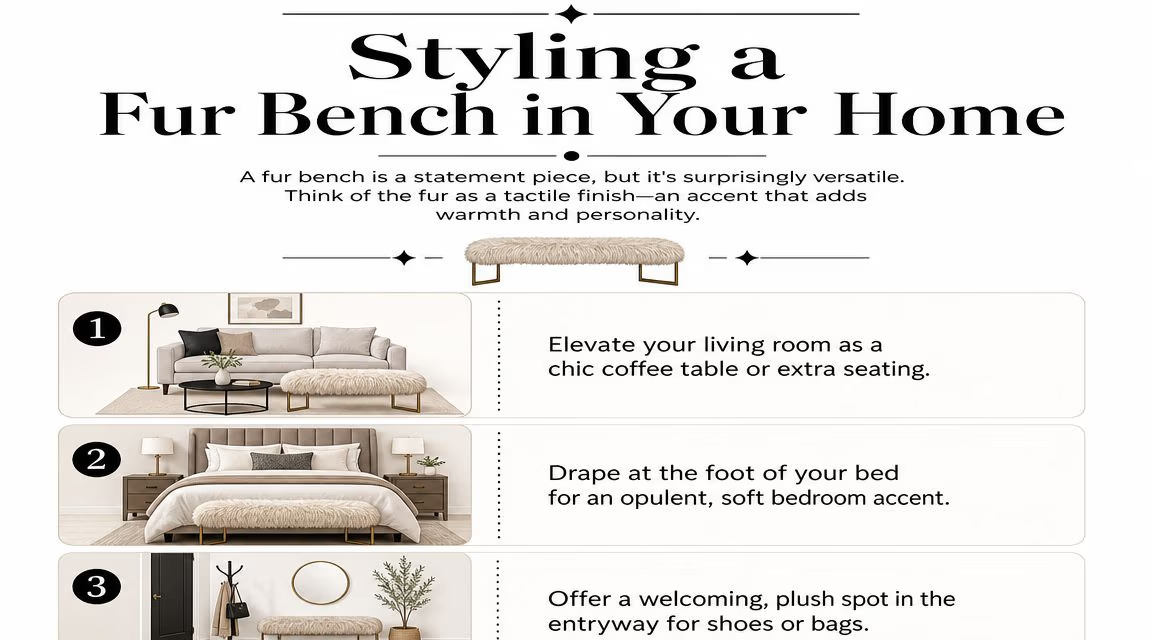
Once the size and location are right, styling gets much easier. Treat the fur as texture first. It's there to soften hard lines, wake up a neutral room, and add a little comfort where flat surfaces would feel cold.
Pair the texture with the right supporting materials
A white or cream bench with fur often looks strongest when the surrounding materials are crisp and simple. Metal, glass, lacquered finishes, or a clean painted wall keep it from feeling too heavy.
If the bench has a wood base, it usually leans warmer and more relaxed. That version can sit comfortably with farmhouse, rustic-modern, or casual transitional pieces.
Here are styling moves that work in real rooms:
- Modern glam pairs well with metallic accents, mirrored details, and simple shapes. Let the bench carry the softness while the room brings structure.
- Rustic or farmhouse-inspired spaces benefit from a bench that mixes plush upholstery with visible wood. It keeps the room from feeling overly rough.
- Neutral bedrooms often need one tactile element. A fur bench at the foot of the bed can do that without adding visual clutter.
- Home offices can use a small bench as guest seating, especially if the room feels too hard or utilitarian.
Keep the bench from taking over the room
A common styling mistake is adding too many “special” textures nearby. If you already have a heavily patterned rug, fringed pillows, a chunky knit throw, and dramatic drapery, a bench with fur can push the room into visual competition.
Instead, let it play against calmer surfaces:
- Smooth wood
- Painted case goods
- Leather accents
- Simple bedding
- Low-pattern rugs
Soft texture reads best when something around it is clean-lined and quiet.
In office settings, the same principle applies. In commercial design, flexibility matters, and a fur bench works best as a visual and comfort accent in low-traffic lounge or reception areas, paired with more durable primary seating, as discussed in Qbiq's office design article.
Five placements that usually look natural
Bedroom end bench
This is the easiest win. It adds softness and gives the room a finished edge.Vanity seat
A smaller bench with fur can make a dressing area feel more complete.Entry accent
Best for lower-traffic foyers where the bench won't take the brunt of wet coats and boots.Living room side placement
Use it as occasional seating near a coffee table or window, not as the room's hardest-working seat.Reception detail
In a professional setting, use one for atmosphere while standard guest chairs handle daily use.
If you like layered rooms but don't want your furniture styles to fight each other, this article on mixing furniture styles helps pull different materials together without making the room feel random.
Keeping Your Bench Beautiful and Maintained
The maintenance side is usually less intimidating than people expect, as long as you treat a bench with fur like textured upholstery and not like a set-it-and-forget-it surface.
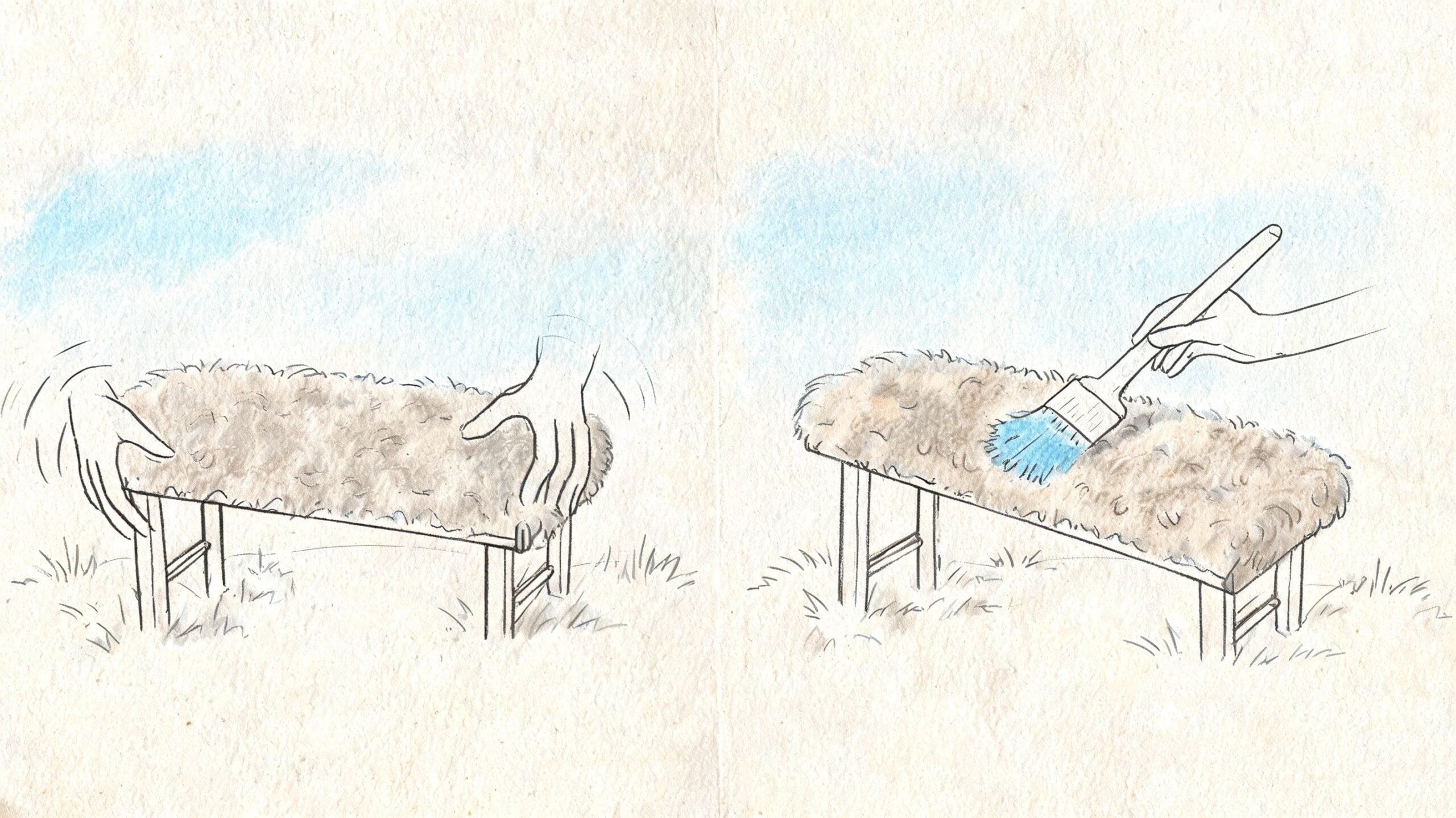
For routine care, stay gentle and consistent:
- Light vacuuming with an upholstery attachment helps remove dust before it settles deep into the pile.
- Quick blotting is the right move for spills. Don't scrub.
- Mild soap and a damp cloth can help with a small spot, but use a light touch.
- Skip harsh chemicals and heat. They can flatten texture or affect the backing.
A removable cover makes ownership much easier, especially in homes with kids or pets. Even if your bench doesn't have one, regular upkeep goes a long way.
Brush the pile back into place after cleaning so the surface dries looking even, not matted.
If you want a fuller refresher on care methods for fabric seating, this upholstery cleaning guide is a practical reference to keep handy.
Your Home Your Way with Tanger's Furniture
A bench with fur makes the most sense when you buy it with open eyes. It's not usually the piece for the roughest spot in the house. It is a strong choice when you want softness, character, and a place that feels a little more finished than it did before.
That's also why customization matters. Some shoppers need a cleaner silhouette. Others want a warmer wood base, a different upholstery feel, or a bench that coordinates with larger upholstered pieces from makers like Flexsteel or Smith Brothers of Berne. The right answer depends on how you live, not just on what's trending.
For local shoppers comparing Bellefontaine furniture options, looking at a bench in person helps answer the questions photos can't. You can judge whether the texture feels inviting, whether the scale works for your room, and whether the construction matches the price. For households balancing style with budget, flexible payment options are available, and the Low Price Promise matters because value only feels like value when the piece is built to last.
That same practical thinking applies across the store, whether you're shopping for a bench, looking into custom sofas Ohio families can tailor to fit their rooms, comparing appliances like Speed Queen laundry, or visiting a mattress store Logan County shoppers trust for everyday comfort. And if the project is for a business, residential rules still help. You just pair the soft accent with more durable workhorse seating.
Local delivery and in-house service requests also make a difference. Furniture always looks easy until it has to get through the doorway and into the right spot.
Visit Tanger's Furniture to see custom options in person or browse collections online to start your journey. If you've got a specific design question, contact the design staff for help, ask about flexible financing for your project, and join the Love Your Home Club for exclusive offers, practical tips, and ideas that help you love your home a little more every day.