Types of Dining Room Furniture: Your Complete Buying Guide


The first thing many shoppers feel in a dining showroom is not excitement, it's hesitation. Too many tables, too many chairs, too many finishes, and the room at home suddenly feels harder to picture than it did in the driveway.
That reaction makes sense. Dining furniture has to do more than look polished for a weekend, it has to fit real meals, real guests, and real routines. In a market that remains substantial and still growing, with the global living and dining room furniture market valued at USD 256.10 billion in 2026 and projected to reach USD 314.43 billion by 2031 at a 4.19% CAGR, buyers are clearly treating these pieces as long-term decisions, not impulse buys.
For families in Bellefontaine and Logan County, that usually means one simple question comes first. Which types of dining room furniture solve the way the room is used, and which ones only look good in a showroom?
Why Choosing the Right Dining Room Furniture Matters
A dining room tells the truth fast. If the table is too big, people squeeze past it sideways. If the chairs are awkward, no one lingers after dinner. If storage is missing, serving dishes end up stacked on the kitchen counter, and the room never quite feels finished.
That's why the first decision is not style, it's category. Tables, seating, storage, and accent pieces each play a different role, and understanding those roles makes the whole room easier to plan. A homeowner comparing options can think in terms of function first, then finish, instead of chasing a look that won't work once the family starts using the space every day.
Practical rule: furniture that fits the room and the routine always ages better than a pretty piece that fights both.
The market data helps explain why this category still gets so much attention. Wood holds a 38.73% market share in 2025, and the residential segment accounts for 73.81% of demand in the same dataset. That lines up with how most households shop, they want pieces that feel warm, durable, and coordinated enough to live with for years.
For readers who want a broader view of how furniture decisions affect long-term satisfaction, a helpful companion is this piece on why furniture purchases are high-consideration decisions. It's also worth looking at William Tucker sustainable decor for a different perspective on choosing materials with care and intention.
The right dining room starts with the right map. Once the categories make sense, the rest of the process feels a lot less like guessing.
Dining Tables Shapes Heights and Styles
The dining table sets the tone for everything around it. It decides how people move through the room, how easily chairs pull out, and whether the space feels formal, casual, or compact and flexible.
Shape changes the room before style does
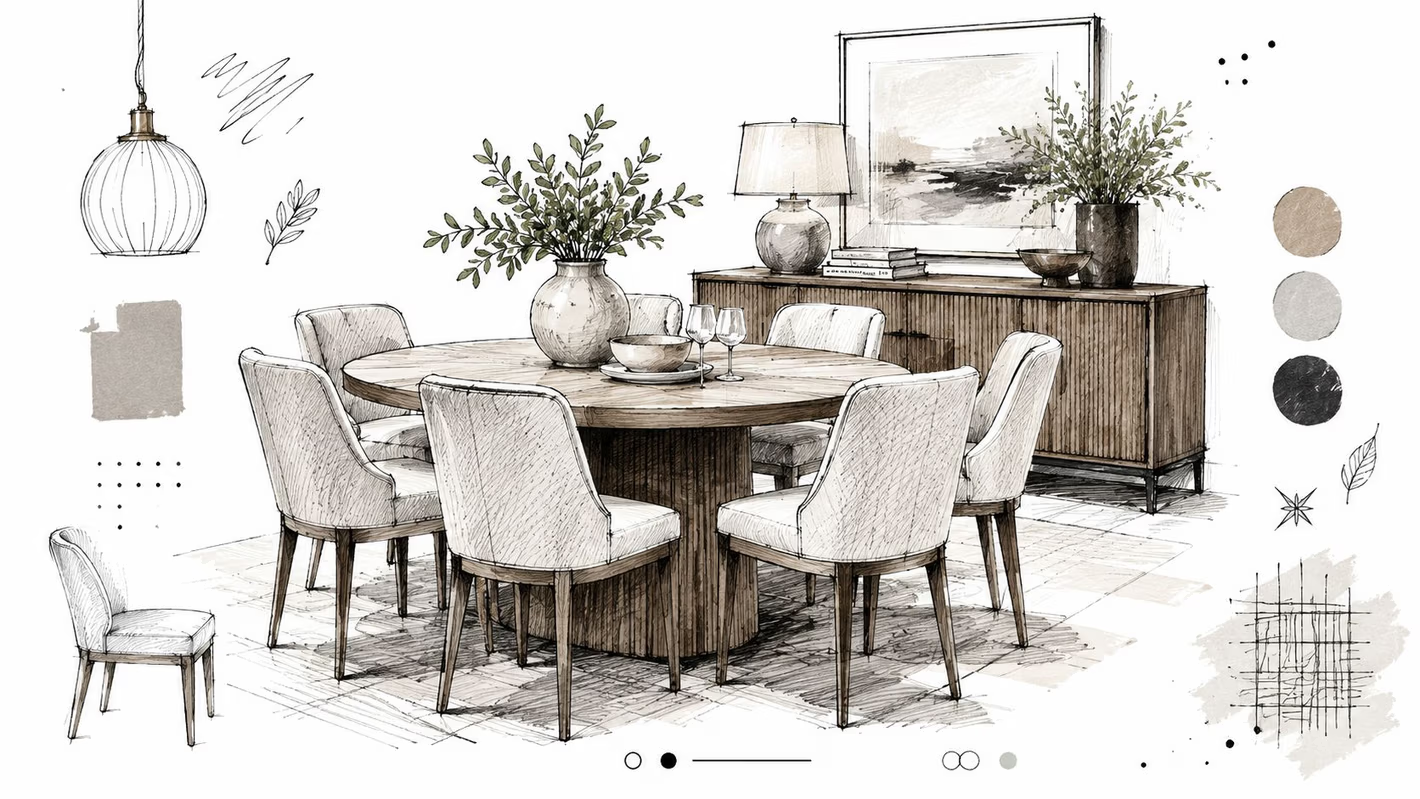
Rectangular tables stay the default in larger dining rooms because they line up neatly with long walls and seat more people without crowding the center of the room. Square tables work better in smaller, more balanced spaces where everyone should feel equally close to the center. Round tables soften traffic flow, which helps in tighter layouts and open-concept homes where people need to pass through often. Oval tables sit between those choices, keeping a softer edge than a rectangle while still stretching the seating zone.
That's where a lot of first-time buyers get stuck. They focus on finish before shape, then discover that the room feels cramped or the table interrupts the path from kitchen to living area. A quick layout sketch usually shows the truth faster than any showroom display.
A round table can make a small room feel easier to use, but a rectangular table can still be the smarter answer when the room needs more predictable seating.
For a practical look at layout planning, maximizing your dining space with table shapes and seating arrangements is a useful companion read.
Height needs to match the way the room is used
Standard dining tables are typically 28 to 30 inches high, and the ergonomic seat-to-table gap for comfortable leg clearance is generally 10 to 12 inches, which is why standard dining chairs usually need an 18 to 20 inch seat height (Eureka Ergonomic). Counter-height tables measure 34 to 36 inches with matching 24 to 26 inch chairs, while bar-height tables reach 40 to 42 inches with 28 to 30 inch stools (Eureka Ergonomic).
That height choice changes the mood as much as the function. Standard height feels classic and comfortable for longer meals. Counter height works well near kitchens and in casual gathering spaces. Bar height makes more of a statement, but it asks for taller seating and a room that can visually support that scale.
Dining Seating Chairs Benches and Mixed Arrangements
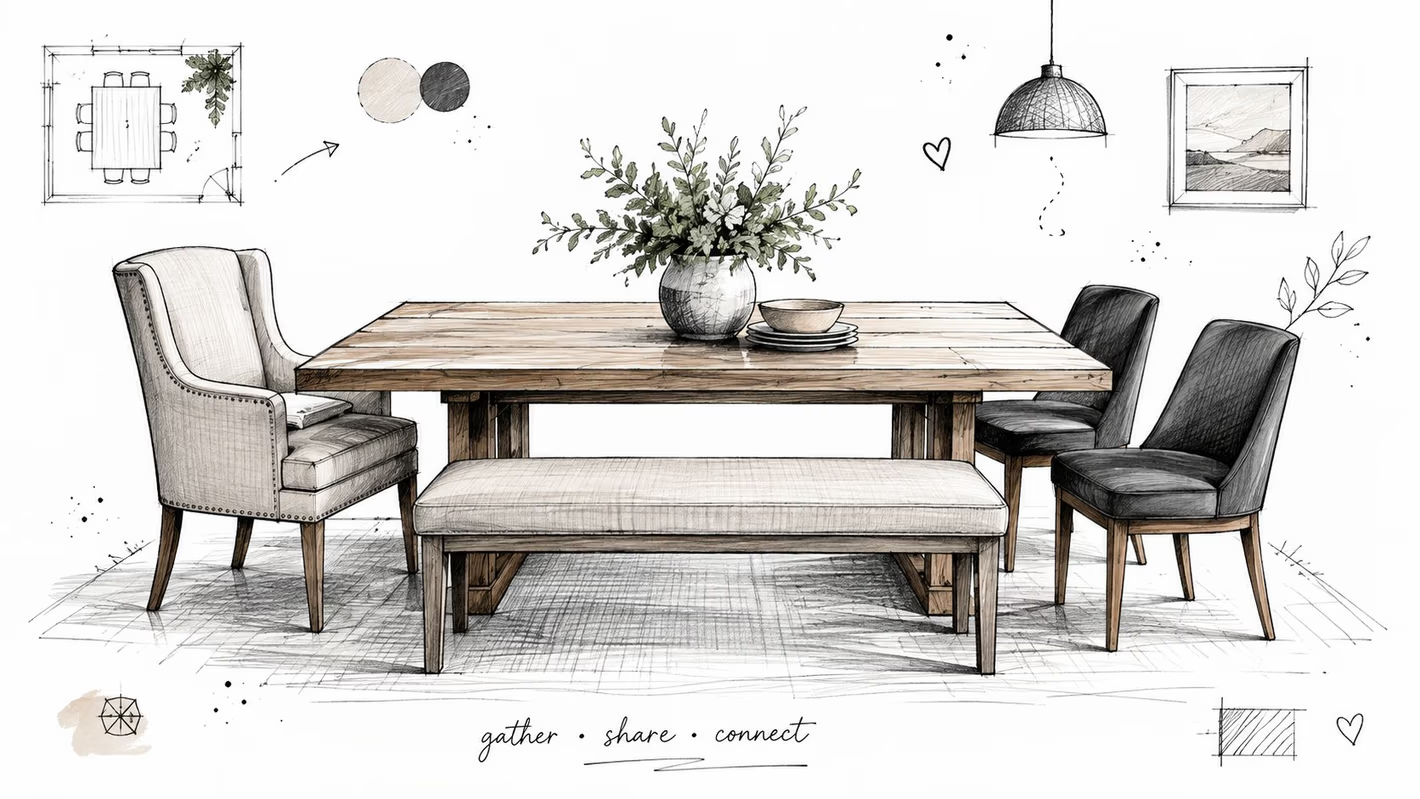
A family dinner can stretch from a quick weekday meal into homework, conversation, and dessert. The seating determines whether everyone settles in comfortably or keeps adjusting. Chairs, benches, and combinations of both should support the household's routines, room size, and preferred level of formality.
Chairs bring structure and comfort
Dining chairs are the familiar choice because each person has a defined place. That order helps in formal rooms and makes hosting easier. Upholstered chairs add softness for longer meals, while wooden chairs keep the room visually lighter and can be easier to coordinate when the table changes.
Comfort depends on more than appearance. Look for a seat that supports the thighs without pressing behind the knees, a backrest that encourages an upright posture, and enough elbow room for eating without crowding. Armchairs can feel welcoming at the ends of a table, though their wider frames may reduce the number of seats in a compact room. A chair should also slide fully beneath the tabletop so walkways remain clear between meals.
For guidance on proportions, support, and style, how to choose dining room chairs offers a useful reference. Families with young children may also favor finishes that wipe clean, while households planning frequent gatherings may prefer upholstery designed for repeated daily use. The choice should match the work the room does.
Benches save space, mixed seating adds flexibility
A bench can make a narrow dining area work harder. Place it along a wall, slide it under the table after meals, or use it to seat children together without adding another full chair. Its shared surface creates flexibility, although it offers less personal support and can be less convenient for guests who need a defined seat.
Mixed seating combines the strengths of both options. A bench on one side and chairs on the other keeps the arrangement relaxed while preserving individual comfort. Matching the seat heights, visual weight, and finish creates rhythm, even when the pieces are not identical. Custom upholstery, contrasting wood tones, or a distinctive end chair can turn a standard set into a personal statement.
For shoppers comparing finishes and easy-care seating, durable white leather dining chairs show how a clean appearance can suit everyday use. Coordinate one repeating detail, such as color, leg shape, or texture, and the room will feel considered rather than assembled from leftovers.
Storage and Serving Pieces That Elevate the Space
A dining room without storage usually ends up borrowing space from the rest of the house. Serving dishes migrate to the kitchen island, napkins get stuffed in drawers, and the room never feels fully ready when guests arrive.
Sideboards and buffets do different jobs
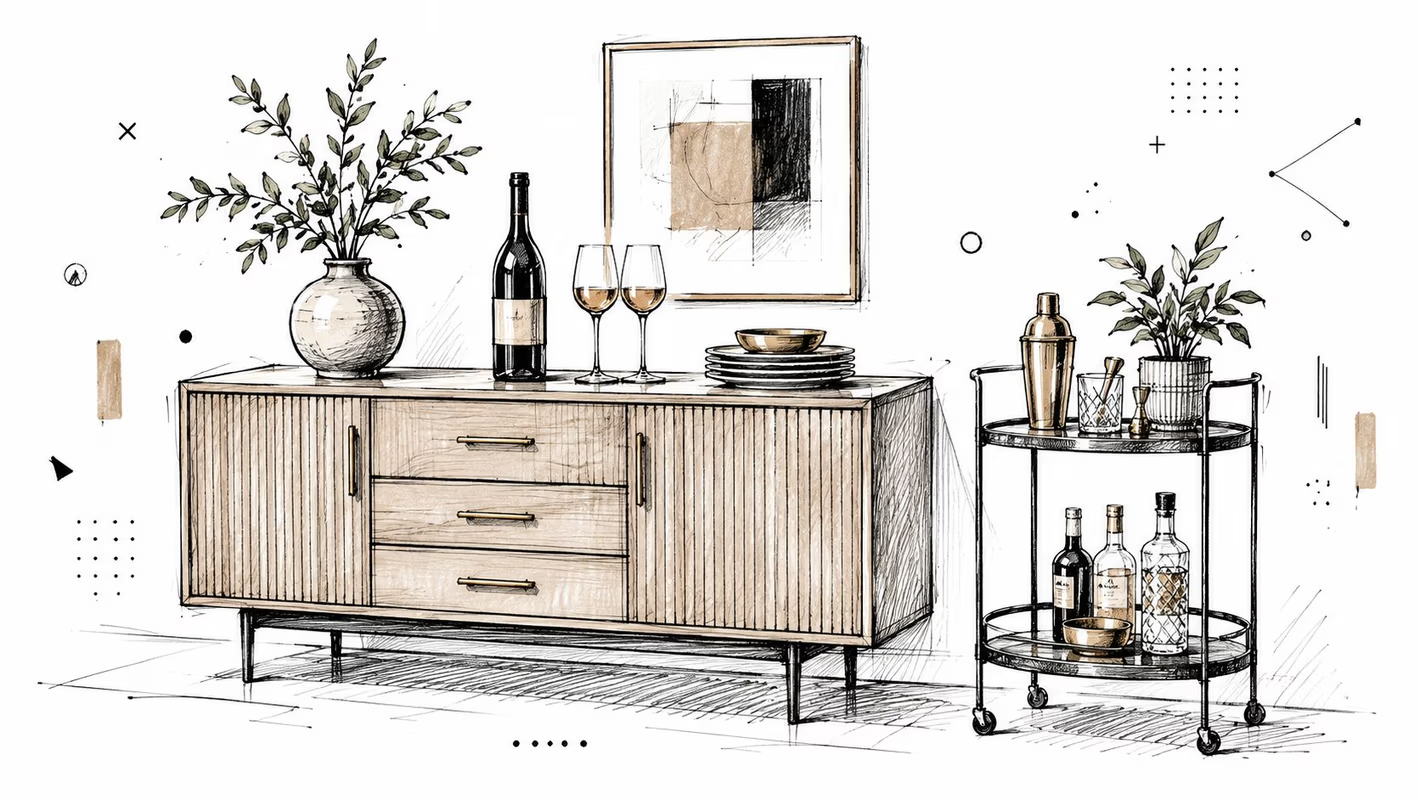
A sideboard is the quieter workhorse. It usually sits lower and longer, which makes it useful for display, hidden storage, and anchoring a wall in a narrow room. A buffet is often a little taller and deeper, which makes it more practical for serving food during gatherings. Both can help a dining room feel finished, but they solve slightly different problems.
That distinction matters during everyday use. A family that needs a place for bowls, candles, and everyday serving pieces may prefer the lower, longer profile. A host who sets out trays and platters for holidays may want the extra depth and service surface a buffet can give.
Bar carts fill the flexible gap
Bar carts work differently because they're mobile. They can hold glassware, mixers, or dessert service, then roll out of the way when the room needs open floor space. In an apartment or open-plan layout, that flexibility can matter more than built-in storage.
A storage piece earns its place when it solves a real daily habit, not just when it fills an empty wall.
That's why the strongest choices are usually the most specific ones. A console-style sideboard suits a long blank wall. A buffet helps a frequent host. A bar cart fits a room that changes jobs throughout the week.
For shoppers narrowing the options, five things to consider when selecting a dining storage piece gives a useful framework without overcomplicating the decision.
Materials and Finishes What Lasts and What Looks Best
Material choice changes how a dining room feels on day one, then decides how much work the room asks for later. A surface that looks beautiful in a calm showroom can behave very differently once hot plates, spills, and weekly cleaning enter the picture.
High-use rooms need tougher surfaces
For dining surfaces used in high-traffic or commercial settings, solid wood, quartz, and high-quality laminate are favored because they resist wear, staining, and repeated cleaning better than lighter decorative finishes. That distinction matters for families too, not just business owners, because a heavily used table is still a heavily used table.
The same source notes that commercial-grade seating is often designed for 7 to 10 years of heavy daily use versus 3 to 5 years for residential-grade products. That doesn't mean every home needs commercial furniture, but it does help explain why some pieces feel sturdier under regular use. Durability is not just about weight, it's about joints, finish, and how well the piece tolerates daily friction.
Different materials ask for different care
Solid timber needs regular dusting with a soft cloth, plus protection from direct sunlight and heat. Veneer needs gentler handling because the wood surface is thin over a stable base. Glass can brighten a room, but it shows fingerprints quickly, and metal accents often add visual contrast while staying easy to wipe down.
For households with kids, frequent entertaining, or long replacement cycles, the smartest finish is usually the one that matches the cleaning routine already in place. If a surface demands more attention than the family can reasonably give it, the room stops feeling easy to live in.
The material choices also connect to the broader trend toward comfort-first, practical dining rooms. Upholstered seating, mixed materials, and easy-care finishes are gaining attention because buyers want pieces that support daily life instead of asking for perfect behavior.
For more on finish options, wood finish options is a useful starting point for comparing tone, grain, and maintenance expectations.
Sizing Your Dining Room Furniture for the Right Fit
The most avoidable dining room mistake is buying a piece that fits the eye but not the floor plan. A table can be the right style and still block a doorway, crowd a chair pull-out, or make the room feel smaller than it is.
Room shape should guide the table shape
A long room usually handles a rectangular table well because the shape follows the room's lines. A square room often feels calmer with a square or round table because the furniture stays visually centered. In tighter or multi-use spaces, round and oval tables often make movement easier because they remove sharp corners from the path.
Here's a simple guide to keep the options organized.
| Dining Table Shape Guide | Best For | Ideal Room Clearance | Seating Capacity |
|---|---|---|---|
| Rectangular | Longer rooms, family meals, formal layouts | Enough space for chairs to pull out on both long sides | Best when more seats are needed |
| Square | Smaller balanced rooms, casual settings | Equal clearance on all sides | Works well for intimate meals |
| Round | Tight spaces, easier traffic flow, conversation-friendly layouts | Open circulation around the curve | Best when flexibility matters more than linear seating |
| Oval | Narrow rooms that need softer edges | Similar to a rectangle, with easier movement around corners | Good when a room needs both flow and extra seats |
Clearance matters as much as length
The table is only half the measurement. Chairs need room to move back, and people need a clear path behind them. Extension tables can make sense when holiday seating matters more than everyday footprint, but they're only useful if the base room still feels comfortable on ordinary days.
Measure the room for daily use first, then ask what changes when guests arrive.
That order saves regret. It also makes small-space decisions easier, because the buyer can see whether a compact set, drop-leaf table, or round profile solves the room instead of reducing it.
For shoppers who want a closer look at layout planning, this category of dining furniture at Tanger's Furniture includes options such as round, counter-height, and farmhouse-style sets, along with chairs, stools, and benches that can be mixed to suit the room.
Building Your Dining Room at Tanger's Furniture
A good dining room usually comes together faster when the shopper can see scale, feel materials, and ask practical questions in the same place. That matters in a community like Bellefontaine, where families value straightforward service, local follow-through, and a no-pressure conversation.
Custom options make standard pieces feel personal
Tanger's Furniture has built its reputation around that kind of help since 1946, with design guidance that reflects its 1964 design history and long family-owned roots. Its Custom Order program lets shoppers tailor fabrics, finishes, and configurations from brands such as Smith Brothers of Berne and Flexsteel, which makes it easier to adapt a dining room to a real home instead of settling for a one-size-fits-all display.
That approach matters for residential buyers who want longevity and style. It also fits commercial clients who need space planning, durable seating, and a more controlled layout for offices or hospitality settings. Tanger's Commercial Office division supports that side of the work with planning help that can include layouts and CAD drawings.
Value and service belong in the same conversation
Flexible financing helps families handle larger purchases without losing momentum, and the Low Price Promise gives shoppers an added layer of reassurance when they're comparing value. Service and delivery matter too, because furniture is heavy, awkward, and easy to damage if it's not handled by people who do this every day.
For households that want the rest of the home to feel just as intentional, a quick look at care tips for indoor cacti can pair nicely with the clean, lived-in feel many dining rooms are aiming for.
The easiest next step is simple. Visit Tanger's Furniture in Bellefontaine to explore custom dining options in person and see which shapes, materials, and seating combinations fit the way the home works. Have a specific design question? Contact the design staff today or join the Love Your Home Club for expert tips and exclusive offers delivered to the inbox.