Casters Coffee Table: A Guide to Mobile Style for Your Home

You know the moment. Someone wants to put out snacks, the kids need floor space, or you're trying to vacuum under the coffee table without dragging it inch by inch across the rug. A table that looked perfect when it arrived suddenly feels like the heaviest thing in the room.
That's why a casters coffee table has such staying power. It solves a small problem that shows up again and again in real homes. You can pull it closer, move it aside, or shift the whole room without turning furniture rearranging into a weekend project.
People sometimes think rolling furniture is a modern trend, but the idea goes back much further. The first U.S. patent for a furniture caster, Patent No. 821, was granted on June 30, 1838, to the Blake Brothers of Connecticut, and their design made wheels easier to add or remove from furniture legs, according to Connecticut History's account of the 1838 furniture caster patent. That basic idea still matters today. Mobility makes a room easier to live in.
If you also like furniture that does more than one job, these tips for lift tables in Australian homes are a useful companion read because they show how a coffee table can support everyday flexibility in different ways.
Introduction The Beauty of a Coffee Table on the Move
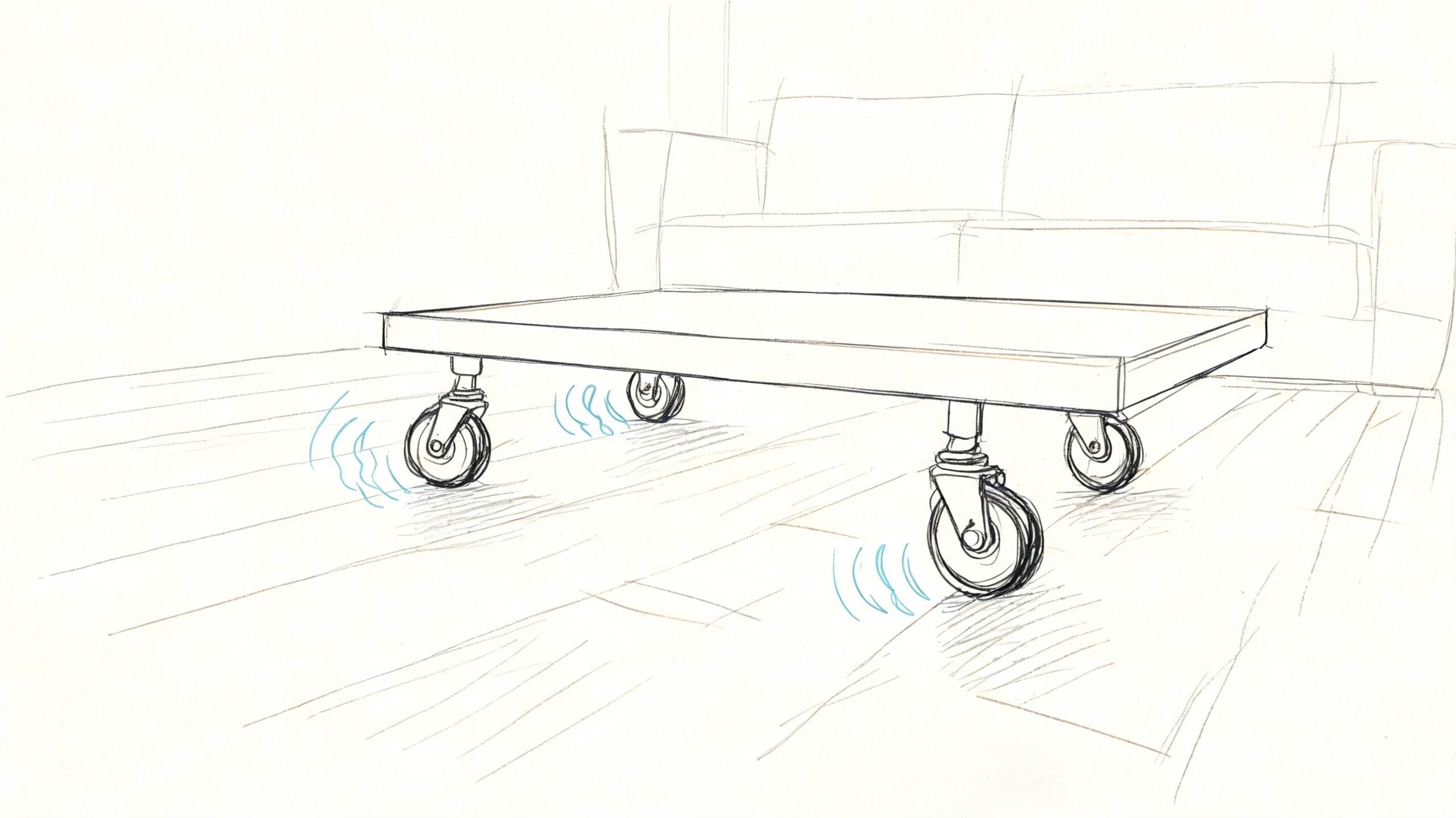
A stationary coffee table asks the room to work around it. A rolling one works with you.
That difference matters more than people expect. In a smaller living room, it can mean enough open floor for a game night. In a family room, it can mean clearing a safe path for little feet. In a home where the sofa also doubles as the evening reading spot, the work-from-home seat, and the movie zone, mobility adds breathing room.
Why this idea keeps coming back
Furniture with wheels isn't a gimmick. It's one of those practical ideas that keeps getting refined because people keep needing it. The appeal is simple. You don't have to commit to one layout all year long.
A good coffee table shouldn't just look right from the doorway. It should behave well on an ordinary Tuesday.
A casters coffee table can feel industrial, rustic, traditional, or clean-lined depending on the top, base, and finish. The wheels are only one part of the design. The bigger point is freedom. You can make the room feel open when you need space, then pull the table back into place when you want the room to feel settled again.
Where readers usually get stuck
Most hesitation comes down to three worries:
- Will it look too casual if it has wheels?
- Will it mark the floor over time?
- Will it feel stable enough for drinks, books, or a puzzle in progress?
Those are fair questions. The answers depend on the caster type, wheel material, and overall build quality, not on the idea of wheels itself. That's where a little knowledge helps.
Why Choose a Coffee Table That Rolls With You
A casters coffee table earns its place through everyday use. It isn't just about moving furniture for fun. It's about reducing friction in the routines you already have.
The clearest benefit is cleaning. The mobility of furniture on casters can reduce cleaning time by 20 to 30% by removing the need to lift or drag heavy pieces, based on the source provided in this mobility and cleaning efficiency reference. If you've ever tried to vacuum around a heavy table leg by leg, that benefit makes immediate sense.
Everyday situations where wheels help
Some homes need flexibility more than others, but almost every household can use it.
- For entertaining the table can roll slightly forward for snacks, then back again to open the walkway.
- For cleaning days you can move the table in one motion instead of lifting, twisting, and hoping you don't catch a rug edge.
- For multi-use rooms the same living room can support movie night, stretching, board games, or homework.
- For renters a mobile table can help you avoid dragging a heavy base across flooring when you need to adjust the room.
If your home leans toward flexible furniture, this guide on choosing multi-functional furniture for modern homes fits nicely with the same way of thinking.
The honest trade-offs
A rolling table isn't automatically the best choice for every room. It helps to think through a few practical points before you buy.
Practical rule: If you want mobility and steadiness, look for a table that rolls easily but also offers a way to stay put when you've found the right spot.
Here's where people sometimes get surprised:
- Floor sensitivity matters. Some wheel materials are kinder to hard surfaces than others.
- Rugs change the experience. A table may glide on wood but feel slower on a thicker rug.
- Stability depends on the caster setup. The right wheel design makes a big difference in how secure the table feels in daily use.
That doesn't mean a casters coffee table is fussy. It just means it works best when the wheels match the room.
A Closer Look at Caster Wheels and Materials
The wheel is small. The decision isn't.
When people shop for a casters coffee table, they usually focus on the tabletop shape, wood tone, or base style. Those things matter. But the wheel material and the caster design decide how the table feels every time you touch it.
Professional-grade casters for furniture like coffee tables are typically built for 132 to 176 lbs per leg, according to this reference on caster load capacity and furniture leg engineering. That number helps explain why a well-built table can stay dependable through regular movement instead of loosening or straining over time.
Locking and non-locking
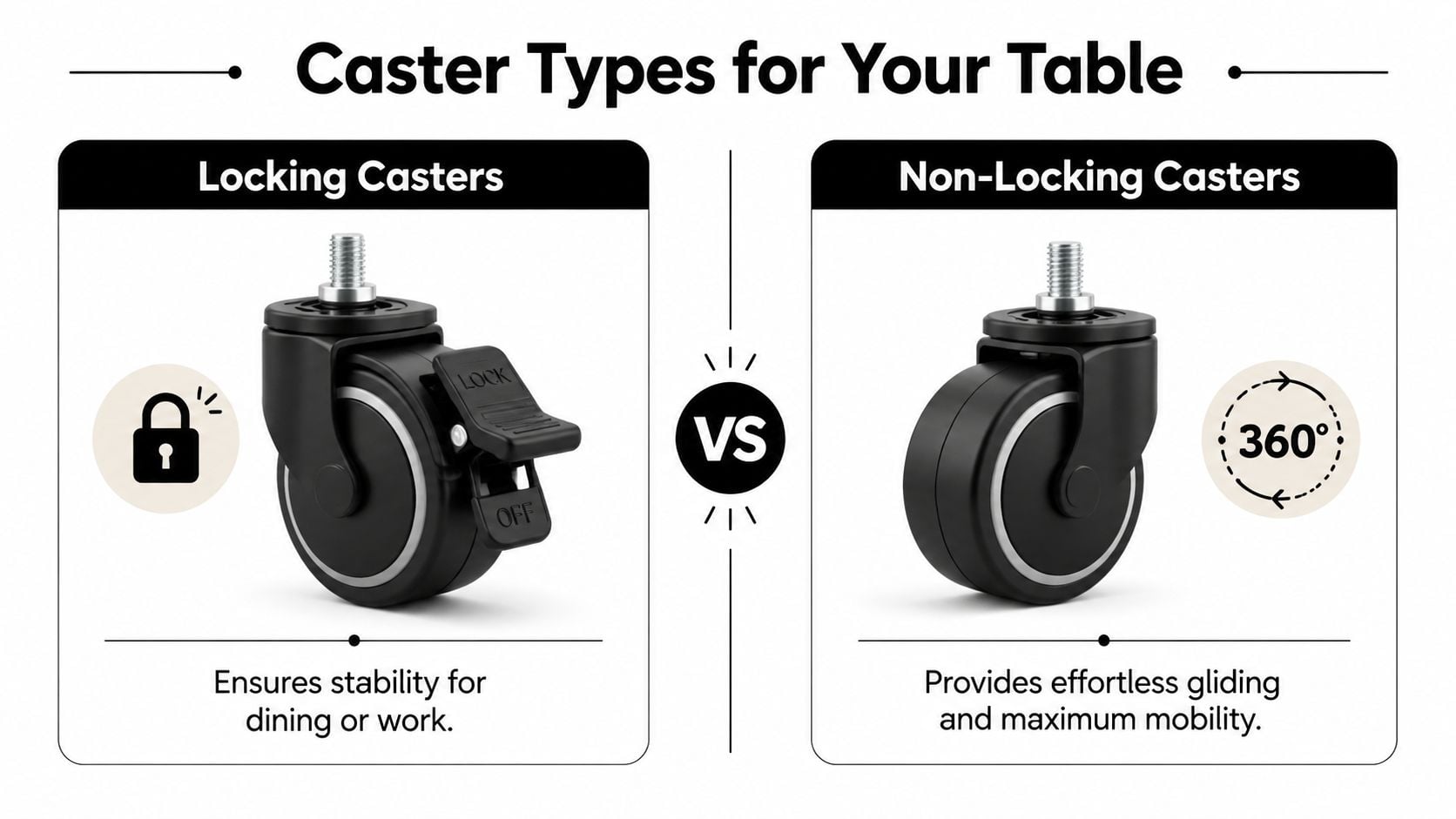
Most shoppers understand the idea of wheels, but not always the difference between locking and non-locking casters.
- Locking casters are useful when the table might serve as a stable surface for drinks, a laptop, or a tray.
- Non-locking casters keep movement quick and simple if you expect to reposition the table often.
- Swivel action is what lets the wheel change direction smoothly instead of forcing the table into a straight path.
If you enjoy mixed materials in your room, this article on what you should know about metal accents can help you think through how metal caster hardware fits with the rest of your space.
Wheel materials and floor feel
Not all wheels behave the same way. Material affects sound, grip, and the way the table rolls over different surfaces.
Here's a simple comparison to keep handy.
| Choosing the Right Caster for Your Floor | ||
|---|---|---|
| Caster Material | Best For | Considerations |
| Rubber | Hard floors where you want a quieter, gentler roll | May feel softer and slightly slower than harder wheel materials |
| Polyurethane | Homes that need durability and smooth movement across mixed surfaces | Good all-around choice, but still worth checking for floor compatibility |
| Metal or harder compounds | Industrial-inspired looks or spaces where appearance is a major style feature | Can feel firmer and may be less forgiving on delicate surfaces |
What to ask before you buy
A few questions can save a lot of guesswork.
- What floor will this sit on most of the time such as hardwood, tile, vinyl, or carpet?
- Will you move it daily or only occasionally because that changes whether ease of motion or lock-in-place stability matters more.
- How much weight will it hold once you add trays, books, decor, or storage underneath?
The best caster is the one that fits your actual room, not the one that only looks good in a product photo.
Styling and Sizing Your Mobile Centerpiece
A casters coffee table can be practical and still look polished. The wheels don't have to dominate the room. In many spaces, they add character and help the table feel intentional rather than bulky.
The secret is proportion. If the table is too large, the room feels crowded. If it's too small, it looks disconnected from the seating area.
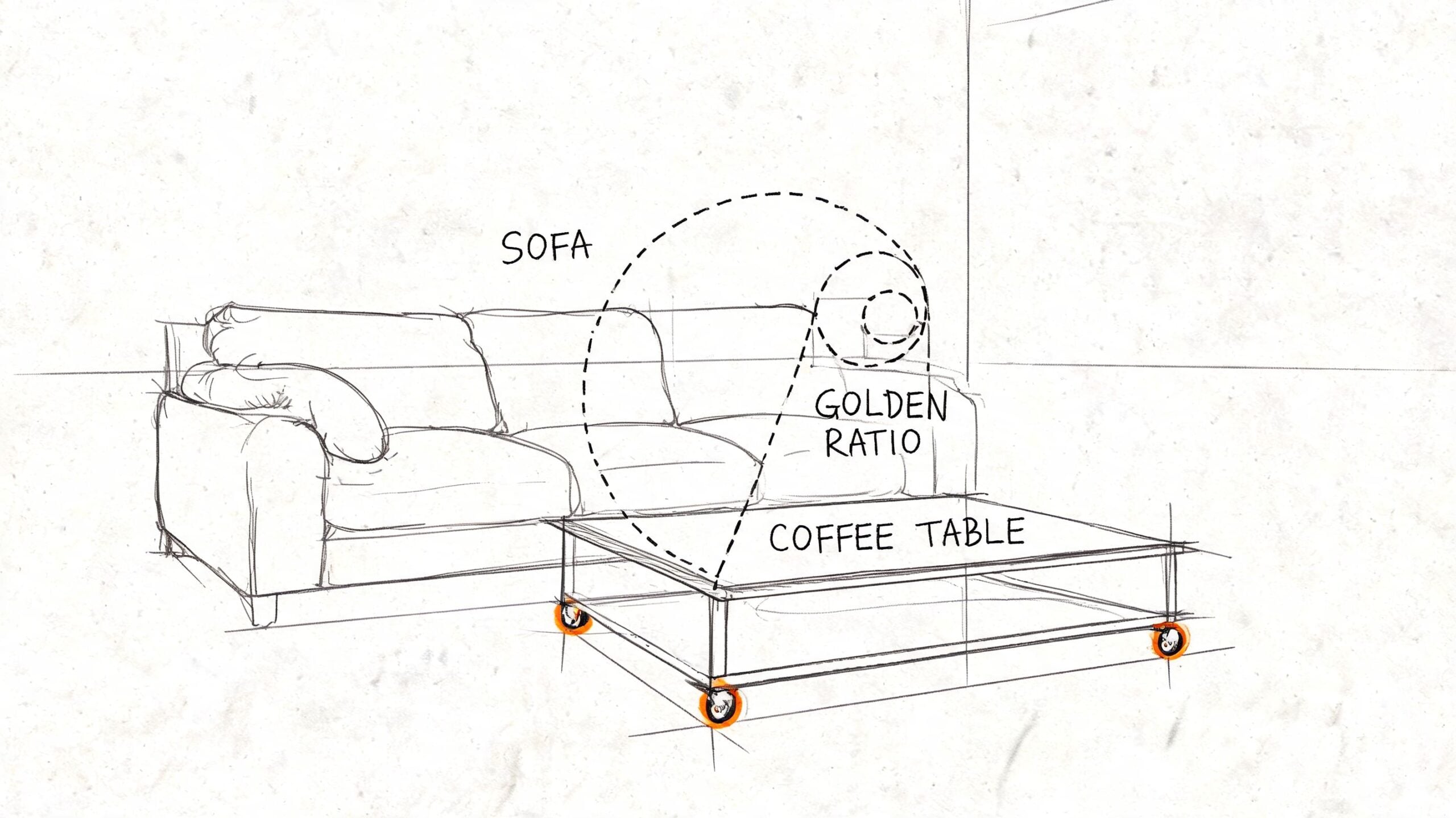
Keep the scale friendly
Most readers don't need a design formula. They need a simple visual check.
Start with these guidelines:
- Match the room's mood. A thick wood top with visible metal casters can feel warm and grounded. A slimmer top with cleaner lines can feel lighter.
- Leave enough space around it. You want easy walkways and room to sit down without your knees meeting the table first.
- Use the sofa as your anchor. The table should relate to the seating area, not float in the middle of the room by itself.
If you're unsure about proportion, this guide on how to measure furniture helps make the process less stressful before you commit to a size.
Why swivel wheels changed the game
A coffee table on wheels only works well if it moves naturally. That's why the swivel caster matters so much. David A. Fisher's 1876 patent for the swiveling wheel made it possible for one person to move heavy furniture in any direction, and that principle still shapes today's caster furniture, as noted in this history of the swivel caster and David A. Fisher's patent.
That freedom affects styling too. A table that moves well can be a little larger or more substantial because it won't feel permanently fixed in one place.
Style pairings that work well
Different homes in Bellefontaine and across Logan County call for different looks. A mobile table can fit more styles than people expect.
- Rustic rooms often pair well with distressed wood, darker metal, and visible wheel hardware.
- Modern spaces tend to look best with restrained lines, smoother finishes, and a simpler caster profile.
- Transitional homes can use casters subtly. The wheels become a practical detail instead of the star.
A rolling coffee table looks best when the room treats it like furniture first and a utility piece second.
Finding Your Perfect Custom Caster Coffee Table
The best casters coffee table usually starts with your habits, not the catalog photo.
Some people need a table that moves for cleaning and then stays in one place the rest of the week. Others want one that shifts often because the room does a lot of jobs. A waiting area, office lounge, or collaborative workspace might need that same flexibility in a more durable format.
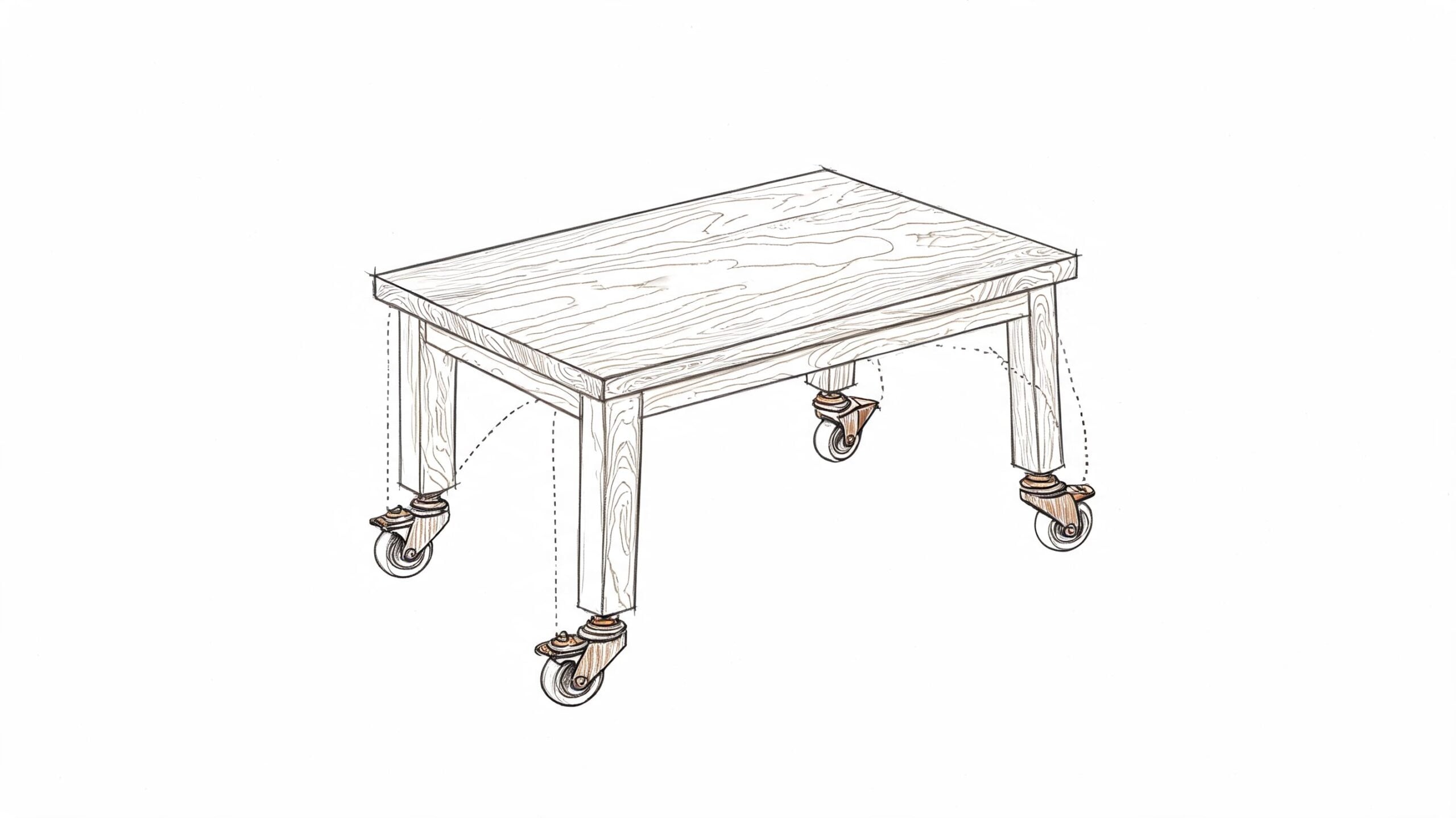
Start with your daily life
Before you think about finish samples, answer a few plain questions.
- Do you host often and need the room to open up quickly?
- Do you have young kids or pets and want easier cleaning access?
- Do you work from home and use the coffee table as a flexible surface now and then?
- Are you furnishing a professional setting where people may move tables more often than they would at home?
Those answers shape everything else. A decorative table and a hard-working table can look similar, but they aren't built for the same routine.
Finish choices matter more on mobile furniture
One question many retailers skip is how the finish holds up when a table moves regularly. That matters. A quality-conscious buyer should think about how stains, veneers, or lacquers will interact with friction and repeated repositioning, as highlighted in this discussion of finish durability questions for mobile furniture.
That doesn't mean you should avoid custom finishes. It means you should ask smarter questions.
- Wood stain can emphasize grain and soften wear visually, depending on the species and tone.
- Lacquered finishes can look crisp and refined, but you'll want to understand how they age with regular use.
- Veneers can be beautiful and consistent, though the table's construction and use pattern matter.
Choose a finish for the life you live, not just the first day it arrives.
When custom is worth it
Custom ordering makes the most sense when standard options get close, but not close enough. Maybe you want a specific wood tone to sit with existing pieces. Maybe you need a shape that fits a narrower room. Maybe you want a particular look that doesn't feel too industrial or too rustic.
That's where a guided process helps. If you're exploring personalized furniture in general, this overview of getting started with custom order gives a helpful picture of how custom decisions come together.
For shoppers who care about established construction and design flexibility, it's also worth browsing partners like Flexsteel and Smith Brothers of Berne. Even if you're shopping for a table rather than seating, those brands reflect the kind of quality-minded decision making many homeowners want across the room.
A final note for professional settings. Mobile tables aren't only for homes. In office lounges, reception areas, and collaborative spaces, the same principles apply. Durability, movement, and finish choice all need to support real use, not just appearance.
Your Local Partner for Delivery Service and Value
Once you've narrowed down the right casters coffee table, the last piece is often the least glamorous and one of the most important. How does it get into your home, get set in place, and stay supported after delivery?
That local part matters. A rolling coffee table is easier to live with than a static one, but it's still furniture. You want careful handling, proper setup, and a clear path for service if something needs attention later.
For shoppers in Bellefontaine and throughout Logan County, practical support can make the whole purchase feel simpler.
- Delivery matters. A team that knows how to place and set up furniture saves your floors, your walls, and your weekend.
- Service matters. It helps to have a local option when you need follow-up support instead of chasing an anonymous help line.
- Value matters. Good furniture should feel attainable, especially when a home has several priorities competing for the budget.
If local setup is part of what you're weighing, this page on local furniture delivery service is worth reviewing.
A lot of families are balancing more than living room furniture at once. They may be replacing seating, shopping for custom sofas Ohio, comparing a mattress store Logan County option, or even planning for appliance needs like Speed Queen laundry. In that kind of real-world budget, it helps when a store offers a Low Price Promise, flexible Financing, and people who can handle the heavy lifting from start to finish.
Visit Tanger's Furniture to see custom options in person at the Bellefontaine showroom or browse collections online to start your journey. As a family-owned local business with roots going back to 1946 and design experience serving the community since 1964, Tanger's helps homeowners and businesses find furniture that fits real life, with local delivery, in-house service support, a Low Price Promise, and flexible Financing for any project. If you've got a specific design question, reach out to the design staff, explore Living Room furniture, learn about Commercial Office solutions, review Financing options, or join the Love Your Home Club for exclusive offers and practical home tips delivered to your inbox.