Dining Room Tables Round: A Perfect Fit Guide

You know the feeling. You pull out a dining chair, and suddenly the walkway is blocked. Someone catches a hip on a table corner. The room isn't tiny, but it never seems to move easily.
That's usually the moment people start looking at dining room tables round instead of rectangular. Not because they're trendy, but because they solve a real problem. A round table can make a room feel calmer, easier to walk through, and more welcoming at the end of a long day.
Around Bellefontaine and Logan County, I've seen all kinds of homes. Older farmhouses, ranch homes, apartments, open kitchen-dining spaces, and multipurpose rooms where dinner shares space with homework and mail. Good furniture choices don't just fill a room. They help you love living in it.
Why a Round Table Might Be Your Dining Room's Best Friend
A round table often solves a problem you can feel before you can name it. In many homes, the dining area is asked to do a lot in a modest footprint. It may sit beside the kitchen, open into the living room, or share space with a hallway. A rectangle can fit on paper and still feel clumsy in daily life.
A shape that changes how a room feels
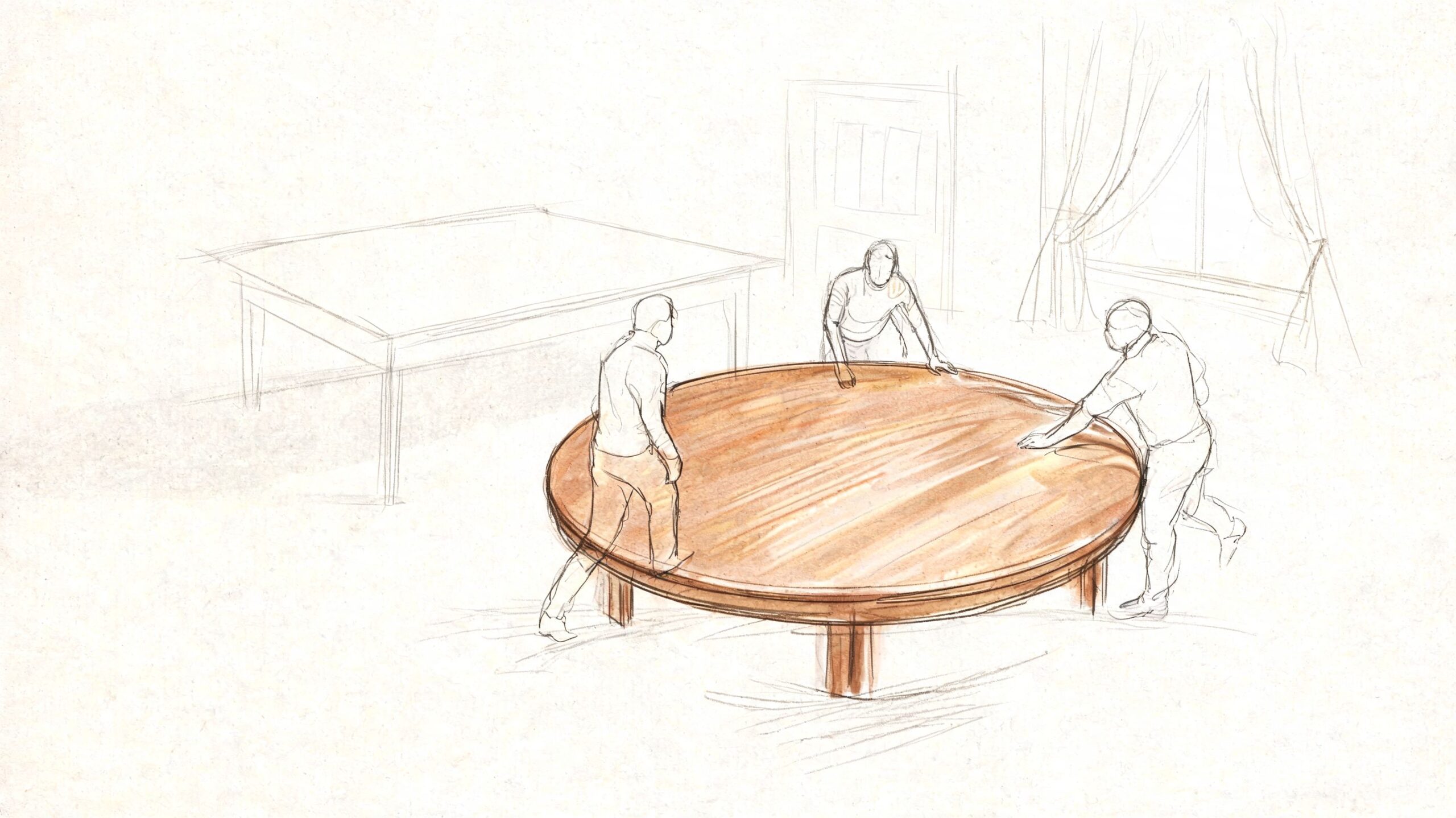
Curves help a room move better. Without sharp corners, the table gives people a gentler path around it, much like a worn footpath curves naturally through a yard instead of cutting at hard angles. In a dining space, that means fewer bumped hips, fewer chairs catching traffic, and a calmer feeling overall.
That matters in the classic ranch homes common around Bellefontaine and Logan County. Many of those homes have a kitchen and dining area that flow together, but the square footage is still practical and compact. A round table suits that layout because it keeps the center of the room useful while softening the edges where people pass through with plates, backpacks, or laundry baskets.
The social side matters too. A circle has no ends, so the seating feels balanced. For families who use the table for supper, homework, card games, and holiday pie, that small shift changes the mood of the room. Everyone sits within easy reach of the conversation.
A good rule of thumb: If your room feels pinched along the edges but open in the middle, a round table usually fits the way people actually move.
A pedestal base can improve that comfort even more. Four legs at the corners can limit where chairs go. A pedestal opens that space, which is handy when you need to squeeze in one more grandchild, a project board, or an extra place setting.
Why conversation is better around a circle
Conversation works differently at a round table because each person can see every other face more easily. Nobody gets stranded at the far end. Nobody has to speak across a long runway of dishes and decor. The table works a bit like a front porch sitting area. People settle in, turn toward one another, and stay awhile.
That is one reason round tables work so well in homes and in small meeting spaces. They lower the formality of the room without making it feel unfinished. If you want a wider look at how table shape affects seating and flow, Tanger shares practical examples in this guide to table shapes and seating arrangements.
In local homes, I often recommend starting with how the room is used on an ordinary Tuesday, not just on Thanksgiving. That approach leads many homeowners, and even some local offices and break rooms, toward a round table because it handles daily traffic with less fuss and brings people together more naturally.
How to Measure for Your Round Dining Table
Saturday morning in a Bellefontaine home often looks the same. Someone is standing in the dining room with a tape measure, trying to guess whether the table they liked online will still feel comfortable once chairs are pulled out and supper is on the table.
That guesswork causes more frustration than it should.
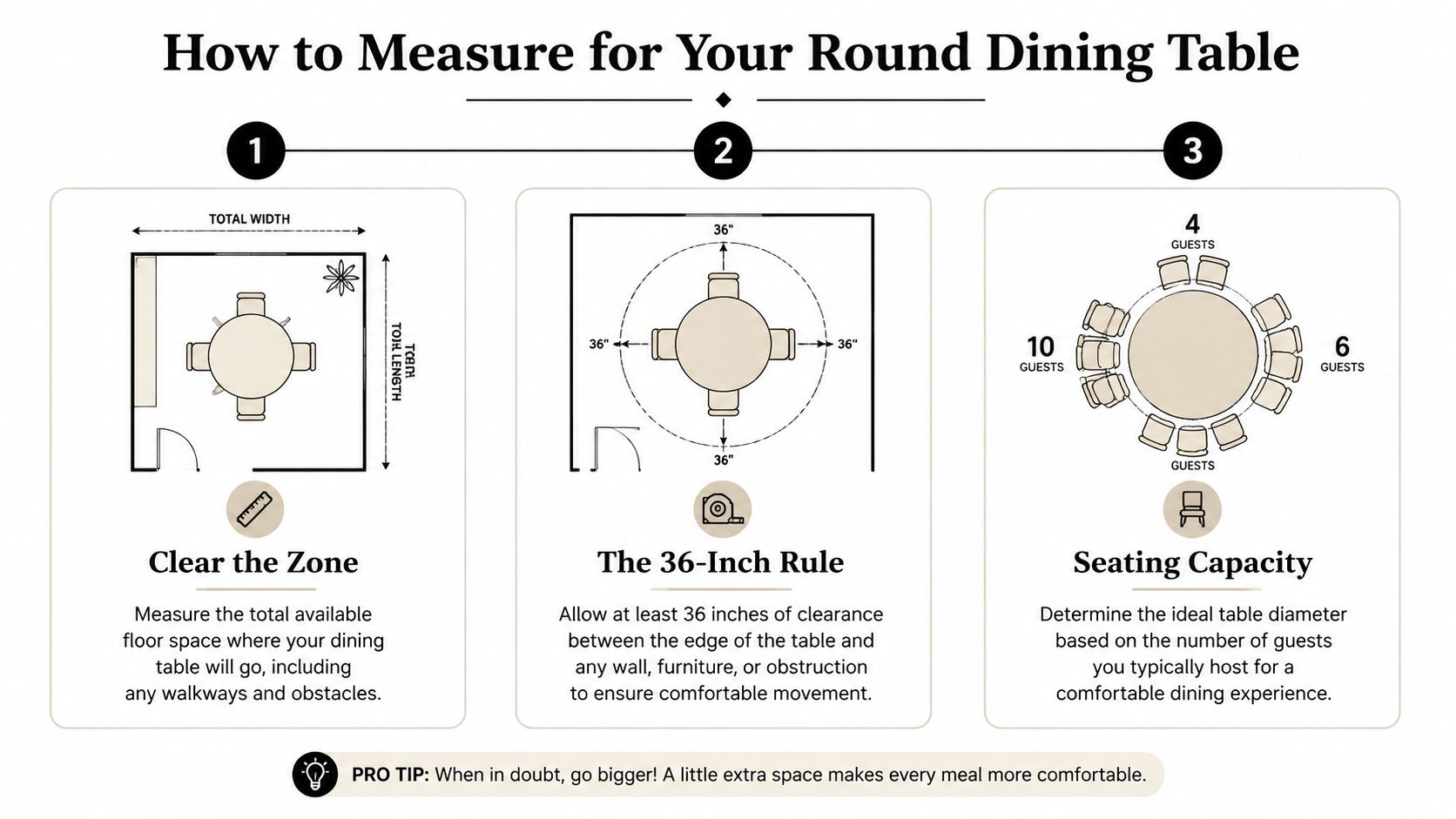
Start with the space people actually use
Measure the usable floor area first, not the room size from a listing sheet or builder plan. In older Logan County homes, that difference matters. A radiator, a deep window trim, a doorway that swings wide, or the path from the kitchen to the back hall can take up more room than you expect.
A dining table has to fit people, not just walls.
Analysts at Dimensions.com's round dining table reference note two guidelines that help right away: standard dining height is generally 28 to 30 inches, and you should plan for at least 36 inches of clearance behind seated chairs so people can sit, stand, and pass through without bumping into one another.
Use the room-first method
I tell clients to measure a dining room the same way they would lay out a garden bed. Mark the full area first, then account for what needs breathing room around the edges.
Use this order:
-
Measure the usable width and length
Skip areas blocked by door swings, floor vents, cabinets, or everyday walking paths. -
Subtract the clearance zone on all sides
That open band around the table is what keeps the room comfortable instead of crowded. -
Match the remaining space to your real seating needs
Daily seating should guide the size. Holiday overflow can be handled with extra chairs, leaves, or a second table nearby.
If you want help checking those numbers, Tanger's dining table size guide for room planning and seating gives a helpful second look.
A few size benchmarks make the math easier
Benchmarks are helpful because they turn a blank room into a practical plan. Plank and Beam's guide to round vs rectangular dining tables outlines a useful seating range: a 36-inch round table usually seats 2 to 4, a 48-inch seats 4 to 6, a 60-inch seats 6 to 8, and a 72-inch can seat 8 to 12, depending on the base and chair width.
That does not mean every room should hold the largest size it can technically fit.
In many Bellefontaine and Logan County homes, a round table works best when it leaves enough open floor to move naturally from one space to another. In a breakfast room, that may point to a compact 42- or 48-inch table. In a larger farmhouse dining room, or in a small conference area for a local office, you may have room for something wider without making the space feel tight.
Check one more thing before you buy
Chairs change the plan fast.
Cheat Sheet Design's space-planning article for round dining tables notes that a 47-inch round table can work in a 10' x 10' room for four adults, while a rectangular table for the same group usually asks for more floor space. That lines up with what we see in real homes. The round shape often gives you better circulation in square rooms and smaller dining areas.
Base style matters too. A pedestal base usually gives each person more knee and foot room, which can make a table feel more comfortable than the diameter alone suggests. That is especially helpful if you are customizing a table through brands like Flexsteel or Smith Brothers for a home, a break room, or a client-facing meeting space where chair placement needs to stay flexible.
One last small-town rule of thumb. Use painter's tape on the floor to mark the table diameter, then pull out a few dining chairs and walk around them. Five minutes of testing in the actual room will tell you more than a product photo ever will.
From Rustic Wood to Modern Metal What Finish Fits Your Life?
A finish should make daily life easier, not give you one more thing to worry about.
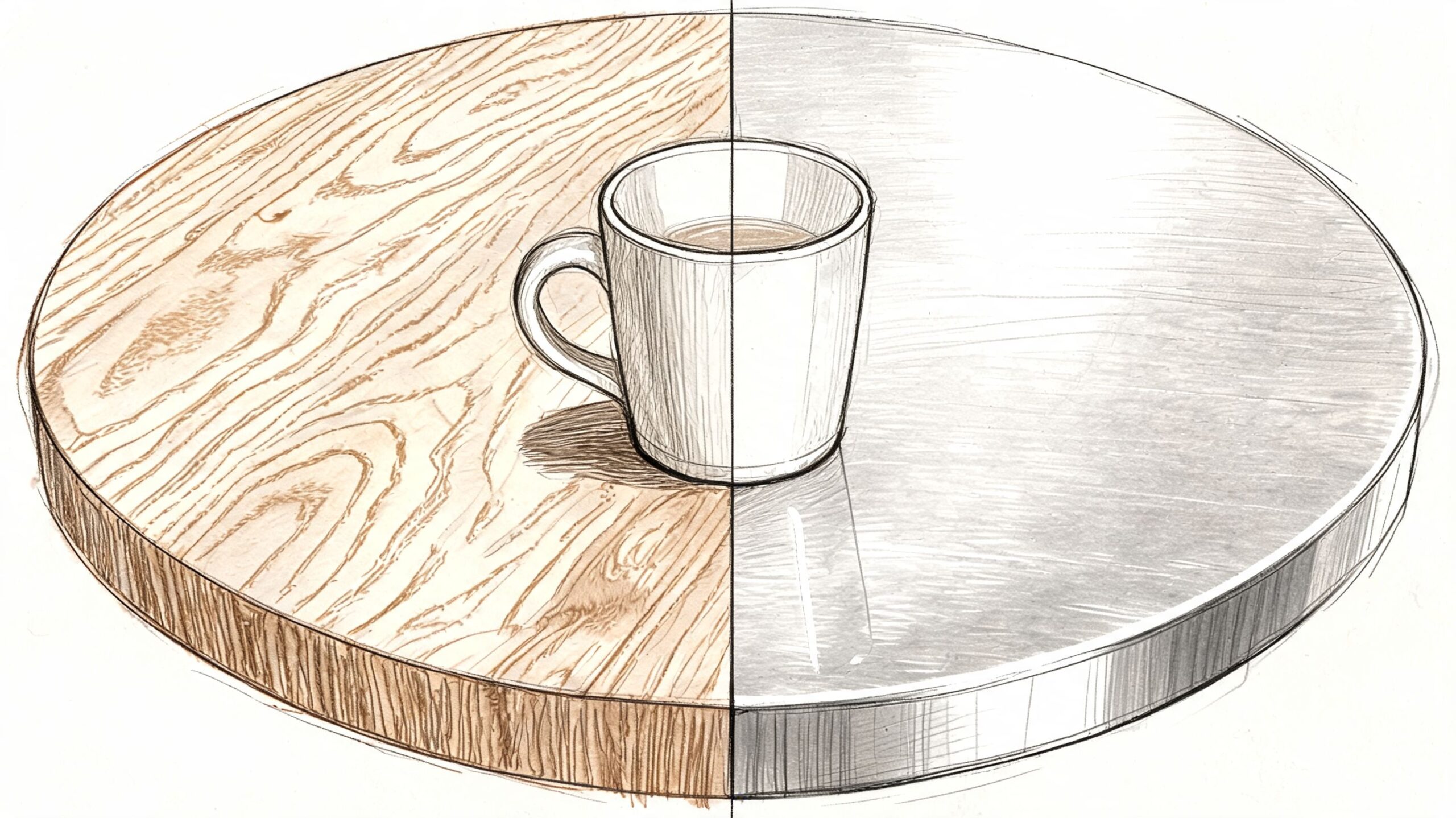
In real homes around Bellefontaine and Logan County, a dining table rarely does just one job. It hosts supper, homework, coffee with neighbors, holiday desserts, and the stack of mail nobody wants to claim. The finish you choose has to suit that kind of honest use.
For busy homes, wood usually feels the most forgiving
Wood has a lived-in warmth that helps a room feel settled. It also ages with more grace than many people expect. Small marks, changes in tone, and light wear often read like character, especially in farmhouse, traditional, and transitional homes.
That matters in older houses and updated ranch homes alike. A round oak or maple table can soften painted cabinets, balance hard flooring, and keep a dining area from feeling too cold or stiff. If you are sorting through species, grain patterns, and durability, this guide to choosing hardwood for longevity and style gives a helpful starting point.
If you like the durability of wood but worry about maintenance, pay attention to the sheen and stain color. A low-sheen finish usually hides fingerprints, dust, and everyday wear better than a glossy one. Medium wood tones also tend to be easier to live with than very dark finishes, which can show crumbs and scratches more quickly.
Metal and mixed materials suit a different kind of room
Metal bases, stone-look tops, and mixed-material tables bring a cleaner edge. They work well in loft-style spaces, newer builds, offices, and dining areas that already have a lot of visual weight from cabinetry or upholstered seating.
The easiest way to choose is to match the finish to the room's rhythm.
- If the table gets heavy daily use, a textured or matte wood finish usually feels more relaxed and practical.
- If the room is more formal, a smoother top and refined base can give the space a sharper, polished look.
- If the table has to multitask, pick a finish you will feel comfortable using for laptops, paperwork, crafts, and takeout containers without constant fussing.
Metal often looks lighter to the eye, even when the piece is sturdy. That can help in compact dining rooms or commercial settings where you want the furniture to feel open instead of bulky.
The best finish is the one that still looks right after a full week of real use.
Custom details often solve the hard part
Here is where many shoppers get stuck. They find the right size and shape, but the color is too orange, the base feels too heavy, or the top fights with the kitchen cabinets three feet away.
Custom ordering can fix that problem in a very practical way. If you love the durability of oak but need a specific gray wash to relate to nearby cabinetry, or if you want a black metal base with a warmer top so the room does not feel stark, that is often possible through custom programs from brands such as Flexsteel and Smith Brothers of Berne. In a Logan County home, that can mean the difference between a table that merely fits and one that belongs.
The same idea carries over to business use. A small café table, break-room table, or client meeting table may need to coordinate with flooring, brand colors, or heavier traffic. Finish is not just decoration there. It affects maintenance, appearance, and how welcoming the space feels.
One more practical note. If you use linens for holidays or events, the finish still matters underneath. A tablecloth drapes differently over a chunky farmhouse edge than it does over a slim modern top, and this guide to tablecloths for round tables can help you think through those proportions before you buy.
Styling Your Round Table Without the Clutter
A round table doesn't need much to look finished. In fact, the biggest styling mistake I see is doing too much.
The beauty of a circle is that it already has presence. You don't need to fight it with oversized decor, towering florals, or so many layers that nobody can see one another across the table.
Keep the centerpiece low and useful
A round table wants a center that feels balanced. That doesn't mean big. It means contained.
A good centerpiece might be:
- A small vase with greenery that adds life without blocking sightlines
- A bowl or tray that can hold fruit, napkins, or candles
- A compact seasonal accent you can swap out without redoing the whole room
If you use table linens, shape matters there too. This guide to tablecloths for round tables gives practical ideas for getting the proportions right.
Mix chairs with intention
Round tables are forgiving. That's one reason they're fun to decorate. You can use matching chairs for a classic look, or bring in contrast for something looser and more collected.
Try one of these approaches:
-
Keep the shape consistent
If the table has a soft pedestal base, chairs with gentle curves usually feel connected. -
Vary the material, not the scale
Wood chairs and upholstered host chairs can work together if their visual weight feels balanced. -
Watch arm height carefully
The prettiest chair in the world isn't the right chair if it won't tuck in comfortably.
A few thoughtful accessories can finish the room without making it busy. This dining room accessories guide offers ideas that support the table instead of competing with it.
Let the rug do quiet work
The rug under a round table should anchor the dining area, not crowd it. If the rug is too small, chair legs catch at the edge and the whole setup feels fussy.
A room looks calmer when the rug, table, and light fixture all agree on where the center is.
That one styling choice often makes dining room tables round look intentional instead of squeezed in.
Designing Your Dream Table From the Ground Up
A couple walks in with phone photos of their dining room, a paint chip from the kitchen, and one clear goal. They want a round table that feels like it has always belonged there. Not close enough. Right.
Custom ordering helps with that kind of decision because it focuses on the parts a stock table cannot always solve. The edge can feel softer or more refined. The base can leave more room for knees, wheelchairs, or extra chairs at Thanksgiving. The stain can relate to your floors without matching them so closely that the room feels flat.
By this point, you may already know your size range and the general finish direction that suits your home. What comes next is the part many shoppers do not see until they sit down with samples. A custom order is less about starting from scratch and more about making a series of smart, calm choices that fit real life.
Build around daily use, not just the photo in your head
The best custom tables start with habits.
A family with young children may want a forgiving top texture and an edge profile that feels comfortable during homework, pancakes, and elbows on the table. Empty nesters who love to host may care more about chair flexibility and a base that keeps everyone close to the conversation. A law office break room or a small Logan County conference nook may need a table that looks polished but can also handle coffee cups, laptops, and frequent cleaning.
That is the difference between buying furniture and planning a room. One is about appearance. The other is about use.
The custom details that change how a table feels
Once the broad decisions are made, the smaller choices begin to matter more than people expect.
-
Top shape and edge profile A thick farmhouse top feels grounded and casual. A cleaner, thinner edge reads lighter and a bit more refined. If your dining area opens to the kitchen or living room, that edge detail can help the table feel connected to the rest of the home.
-
Base design
Pedestal bases usually make it easier to shift chairs around for guests, while a four-leg design can feel more familiar and structured. In older Bellefontaine homes, where rooms sometimes have charming but imperfect proportions, the right base often fixes awkward chair placement better than any styling trick. -
Finish character
This goes beyond dark versus light. Some finishes show grain and small marks in a way that feels relaxed and lived in. Others look smoother and more formal. If you already chose your material direction earlier, custom ordering lets you fine-tune the mood. -
Chair pairing
This is often decided at the same time, especially if seat height, arm clearance, or upholstery color need to work together from the start.
Why samples still matter
Wood tones are a little like house paint. What looks warm in a showroom can look cooler under your dining light at home. Metal finishes shift too. So do fabrics.
That is why the custom process works best when you can compare pieces side by side, hold finish samples against flooring photos, and test the chairs with the table plan in mind. Tanger's Furniture often helps shoppers do exactly that through customizable lines from brands such as Flexsteel and Smith Brothers, whether they are furnishing a dining room, a clubhouse gathering space, or a small professional office that needs to feel welcoming instead of stiff.
Good custom work should feel steady and clear. You are not adding complexity. You are removing the little regrets before the table ever comes through the door.
Round Tables for Your Business or Office
The same ideas that help a round table work well in a dining room also help in a workplace. Good flow, easy conversation, and a welcoming shape matter just as much in a small Logan County office, a church meeting room, a clinic break area, or a downtown Bellefontaine storefront with a back office.
In professional spaces, a round table often softens the room right away. People are more likely to face one another naturally, and no one gets placed at the far end like the person in charge while everyone else lines the sides. That can be helpful for interviews, team check-ins, client conversations, and casual planning sessions where you want the furniture to support the discussion instead of setting a hierarchy before anyone speaks.
Space use matters too. Many local offices and mixed-use buildings were not built with large boardrooms in mind. They have tighter footprints, older layouts, and rooms that need to do more than one job. A round table usually handles those conditions gracefully because the edges are easier to walk around and the room feels less boxed in.
Where round tables earn their keep
A round table often works especially well in spaces like these:
- Small conference rooms where eye contact matters more than formal presentation seating
- Employee break areas that need to feel comfortable instead of institutional
- Reception or waiting spaces where guests may need a spot for coffee, forms, or a laptop
- Shared collaboration corners used for quick huddles, vendor meetings, or one-on-one conversations
- Community and hospitality settings such as clubhouses, senior spaces, and nonprofit gathering rooms
There is a practical side to this too. In a home, you are balancing family life. In a business, you are balancing traffic patterns, chair count, cleaning, and how the room feels to staff and visitors. The table has to work hard without calling attention to itself.
That is why layout help matters. Businesses comparing options for meeting rooms, reception areas, or multipurpose spaces can get useful guidance through furniture store design services for workspace planning, especially when they need a table that fits the room and the way the space is used.
Materials deserve a little extra thought in commercial settings. A beautiful wood top can bring warmth to a professional room. Metal details can make the space feel cleaner and more current. Easy-care finishes are often the better choice in offices where coffee cups, paperwork, and daily wear are part of the routine. The right table can also be customized through lines Tanger's Furniture carries, including options from Flexsteel and Smith Brothers, for projects that need a more specific look across both residential and commercial spaces.
If the room also serves food prep, coffee service, or client hospitality, practical upkeep matters beyond the table itself. Teams refreshing the whole experience may also appreciate these hygienic kitchen tools for home cooks, especially for office kitchens, break rooms, or shared serving areas where cleanliness and ease of use count every day.
Your Partner in Bringing Home the Perfect Table
A good round table does more than fill an empty spot. It clears the path through the room, supports conversation, and gives daily life a place to land. When the size is right, the finish suits your routine, and the styling stays simple, the whole room works better.
That kind of choice feels easier when you don't have to sort everything out alone. Some shoppers want guidance on layout. Others want custom options. Some are balancing a full-home project that includes dining, living room pieces, a mattress upgrade, or even practical purchases like Speed Queen laundry for the utility room.
The support around the purchase matters too
Furniture buying gets less stressful when the service side is clear:
- Low Price Promise helps value-minded households shop with more confidence.
- Flexible financing can make a larger project more manageable.
- Local delivery and setup mean you don't have to wrestle a heavy table box through the front door.
- In-house service support gives you a place to turn if something needs attention later.
If your kitchen and dining area work hard every day, it also helps to think beyond furniture. Good daily tools make the whole room easier to live in. Home cooks who enjoy practical upgrades may like this resource on hygienic kitchen tools for home cooks, especially when they're refreshing the whole dining experience, not just the table.
For shoppers who want a little design help along the way, furniture store design services can make decisions feel less overwhelming and more personal.
Home should feel welcoming, not staged. A table is part of that. It's where people gather, linger, work, laugh, and come back together tomorrow.
Visit our showroom in Bellefontaine to see custom options in person or browse the collections online at Tanger's Furniture to start your journey. Have a specific design question? Contact the design staff today or join the Love Your Home Club for expert tips, exclusive offers, and helpful inspiration delivered to your inbox.