What Is a Tight Top Mattress? Explore Its Firm Comfort

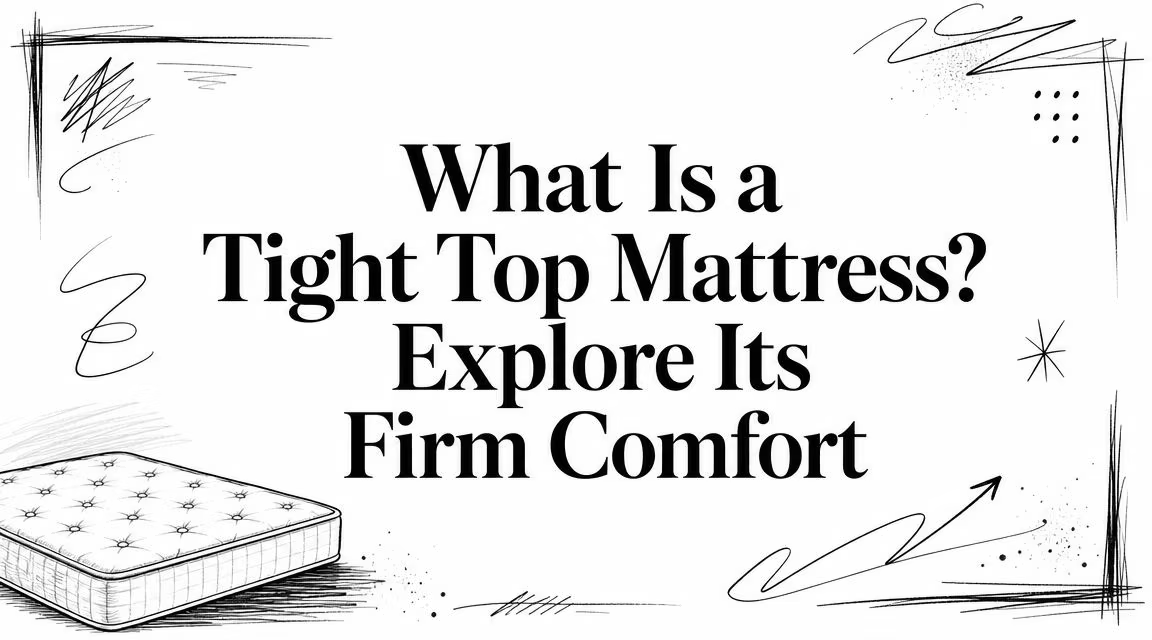
A tight top mattress is a mattress with a firm, flat surface where the top layer of fabric is stitched directly to the sides, unlike pillow or euro tops which have extra padding sewn on top. It's also a practical fit for many value-minded shoppers, since 53% of mattress buyers spend under $900 according to a 2026 survey referenced here.
A lot of folks start mattress shopping thinking it'll be simple. Then the tags start talking back. Tight top, pillow top, euro top, hybrid, plush, firm. Before long, one mattress starts sounding a lot like the next.
That confusion is common, especially for first-time buyers, growing families, and anyone replacing a bed after many years. Around Logan County, shoppers often aren't looking for fancy words. They're looking for a mattress that feels right, holds up, and fits the household budget without regret a year later.
This guide walks through what a tight top mattress is, how it feels, where it shines, and where it may not be the right fit. The goal is simple. Clear up the jargon so the choice feels easier.
Table of Contents
- Feeling Lost in the Mattress Aisle
- What a Tight Top Mattress Actually Is
- Tight Top vs Pillow Top and Euro Top
- The Honest Pros and Cons of a Tight Top
- Who Should Choose a Tight Top Mattress
- Finding Your Perfect Mattress in Bellefontaine
Feeling Lost in the Mattress Aisle
A shopper walks into a mattress store needing one simple thing. Better sleep. Ten minutes later, that same shopper is staring at labels and wondering why beds need so many names.
That's where many people get stuck. “Tight top” sounds technical, but the idea is plain once someone says it in everyday language. It's a mattress with a flat, stitched top instead of an extra cushioned layer sitting above the mattress body.
Why the terms feel more confusing than they should
Most shoppers don't compare mattress construction every day. They compare how tired they feel in the morning, whether their back aches, and whether the bed feels worn out in the middle. Those are real-life questions, and they matter more than showroom jargon.
For some households, the search starts because comfort has changed. For others, it starts because pain has shown up without a clear reason. In situations like that, broad wellness reading can help frame the conversation, such as this guide on drug-free relief for unexplained pain, especially when poor sleep setup might be part of the picture.
A mattress term only helps if it tells a shopper how the bed is built and how that build may feel at home.
A little mattress knowledge goes a long way. For readers who want a wider starting point before narrowing in on tight tops, this guide for choosing a mattress gives a broader view of the categories shoppers usually see.
What most people actually want to know
They usually aren't asking for a lecture on upholstery. They're asking questions like these:
- Will it feel firm or soft: Not in theory, but after a full night's sleep.
- Will it last: Especially in a busy family home.
- Is it worth the money: Because buying wrong gets expensive fast.
- Will it help with support: Particularly for sleepers who wake up stiff or sore.
Those questions are exactly why tight top mattresses deserve a closer look. Their appeal isn't flashy. It's practical.
What a Tight Top Mattress Actually Is
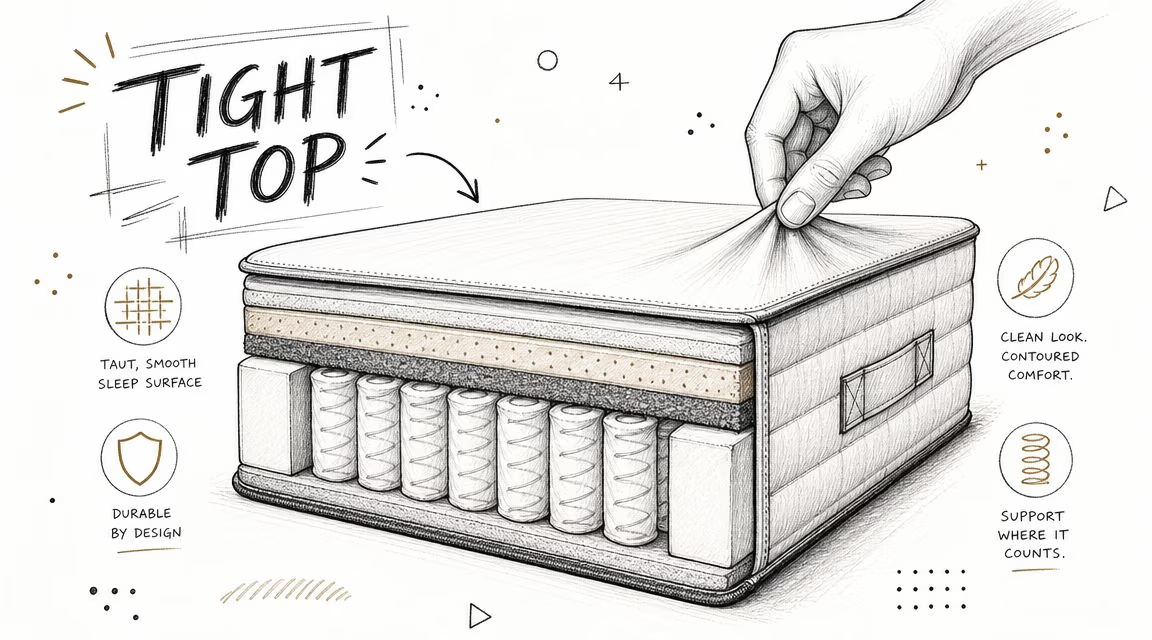
A tight top mattress has a flat, smooth sleeping surface with no separate cushion sewn on top. The cover is stitched straight to the mattress border, so the comfort layers stay tucked inside the bed instead of sitting above it in an added section.
The basic build
That construction gives the mattress a cleaner, more tailored profile. If you run your hand across the top, you usually feel a level surface instead of a raised pillow layer. For many families in Logan County, that simple design is part of the appeal. There are fewer upper pieces to shift, bunch, or compress early, which is one reason tight tops often come up in practical, value-focused mattress conversations at a local furniture store.
Inside, a tight top can still contain several comfort materials such as foam, fiber, latex, or supportive quilting. "Tight top" describes how the top is finished, not whether the mattress must be hard as a board. A mattress can be a tight top and still feel medium or even fairly cushioned, depending on what sits under the cover.
For shoppers sorting through mattress terms at the same time, this guide on what a hybrid mattress is helps clarify another label that often appears on the same showroom floor.
Why that construction changes the feel
Because the padding is built into the mattress rather than perched on top, the sleeper tends to notice the support system sooner. In plain terms, you feel more connected to the mattress underneath you. That can create a steadier surface and make it easier to change positions during the night.
A good way to understand it is to compare a tight top to a mattress with an added cushion layer. With a tight top, the comfort is integrated into the build. With a pillow top or similar style, some of that softness comes from an extra upper section. Same goal. Different route.
That difference matters over time, too. Here at a hometown furniture store, we often explain tight tops as the sensible choice for shoppers who care less about a lofty first impression and more about how the bed holds up in everyday family use. The design is straightforward, easier to explain, and often easier to match to a sleeper's needs without any sales pressure.
People researching medical sleep surfaces may also come across very different products, such as how these therapeutic mattresses function. That is a separate category, but it shows the same basic truth. The way a mattress is built affects its feel, support, and long-term purpose.
Practical rule: A flatter, more integrated top usually lets you feel the mattress support more directly, instead of getting most of the first impression from extra surface cushioning.
Tight Top vs Pillow Top and Euro Top
Shoppers usually make the decision. Not by staring at stitching, but by asking how each top style will feel after a few weeks, a few months, and a few years.
Mattress Top Comparison
| Feature | Tight Top | Pillow Top | Euro Top |
|---|---|---|---|
| Initial feel | Flatter, firmer, more responsive | Softer, cushier surface feel | Plush feel with a more tailored look |
| Support feel | More “on the mattress” | More “in the mattress” | More contouring than a tight top |
| Surface profile | Taut and uniform | Extra layer visibly attached on top | Extra cushioning built in with a cleaner edge |
| Durability outlook | Often simpler, with fewer added upper components | Added loft can compress sooner | Depends on materials, but still includes extra upper cushioning |
| Best fit | Sleepers who want support and easier movement | Sleepers who want a plush first feel | Sleepers who want softness with a tidier appearance |
How the differences show up at bedtime
A tight top usually feels steadier when someone changes position. That matters for people who don't like feeling “stuck” in a bed. It can also feel more consistent from the edge toward the middle.
A pillow top usually gives more immediate softness. That's why some side sleepers are drawn to it. For readers wanting a softer-surface comparison point, this plush pillow top mattress guide gives useful background on that style.
Euro tops sit somewhere nearby in the family tree but look a bit more sleek than pillow tops. The comfort material is still added at the top, but the profile is cleaner and more integrated.
For anyone trying to match top style with comfort preference, a mattress firmness guide can help connect the words on the tag to what the body feels.
The quickest test is simple. If a sleeper wants a bed that feels level and supportive, tight top makes sense. If that sleeper wants a cushioned “ahh” feeling right away, pillow top or euro top may feel more familiar.
The Honest Pros and Cons of a Tight Top
A tight top tends to appeal to practical shoppers for a simple reason. It usually puts more of the mattress budget into the support system and less into a thick, lofty top layer. For many families around Logan County, that can mean a bed that feels dependable night after night, not just impressive for the first five minutes in a showroom.

Where a tight top does well
A tight top works a bit like a well-built work boot. It may not have the puffiest padding on day one, but the simpler upper design often holds its shape better over time. That is one reason many shoppers see it as a durable, sensible choice, especially compared with styles that add more material on top. This discussion of euro top and tight top differences gives helpful background on how those construction choices can affect wear.
The benefits usually show up in everyday life, not just in mattress terminology:
- A simpler build: Fewer added top layers can mean fewer materials that compress or shift.
- A steadier sleep surface: Many sleepers notice a more level, even feel across the bed.
- Less fuss during upkeep: A flatter profile is often easier to rotate and easier to fit with sheets.
- Better practical value: Families who want comfort and support without paying extra for a plush top often find this style makes good sense.
That last point matters in a local furniture store. Folks around here often ask the same honest question. "Will this mattress still feel right a few years from now?" A tight top can be a strong answer for shoppers who want something straightforward, durable, and easier to live with.
Where it can fall short
Of course, a flatter, firmer-feeling surface is not the right fit for every body.
Some sleepers want more cushion right at the top, especially around the shoulders and hips. If someone is used to a soft, sink-in feel, a tight top may seem a little plain at first, even if the support underneath is good.
A few limitations are worth spelling out clearly:
- Less immediate softness: The surface usually feels flatter and less cradling.
- Not ideal for every side sleeper: Some people need more padding at pressure points.
- Build quality matters: A tight top does not hide weak materials underneath. If the support core is poor, the sleeper may notice it sooner.
That is why we always tell neighbors to judge the whole mattress, not just the label on top. The name "tight top" describes the finish, but the comfort still depends on what is inside and who is sleeping on it.
For anyone sorting through aches, posture, and mattress feel, this guide on helping back pain with the right mattress can help connect comfort choices to real sleep needs.
A tight top often gives the best value to sleepers who want steady support, a cleaner surface, and a mattress built with long-term practicality in mind.
Who Should Choose a Tight Top Mattress
A tight top tends to fit people who want their mattress to stay steady and predictable night after night. In plain terms, it often suits sleepers who care less about a plush first impression and more about how the bed holds up through years of real use.

A good way to picture it is a family dining chair versus an overstuffed recliner. The chair may feel simpler at first, but it often stays dependable longer. A tight top can work the same way for sleep. The surface is usually flatter and more even, which is why many back sleepers, stomach sleepers, and people with larger body types appreciate it. This explanation of tight top support and spinal alignment gives helpful background on why that steadier surface can matter.
Here are the shoppers who often do well with one:
- Back sleepers: They often need support that keeps the hips from dropping too far below the rest of the body.
- Stomach sleepers: A flatter top can help reduce that bowed feeling through the midsection.
- Heavier sleepers: Many prefer a mattress that feels more stable across the whole surface.
- Combination sleepers: If you turn from side to back or back to stomach, a tighter surface can make movement easier.
- Practical families: A tight top often appeals to households that want comfort, but also want a mattress chosen with long-term value in mind.
It can also be a smart pick for guest rooms, spare bedrooms, and rental spaces. Those rooms usually call for something simple to maintain and easy for different guests to sleep on without much adjustment.
Around Bellefontaine and across Logan County, some shoppers are not just replacing one mattress. They are setting up a first home, refreshing a guest room, or trying to make a budget stretch across several rooms. In that situation, a tight top often deserves a close look because it can offer a sensible balance of support, durability, and cost. If you are still narrowing down comfort and construction, this guide on how to choose a mattress for your sleep style and budget can help.
Tanger's Furniture is one local option people use when they want to compare those choices in person, ask honest questions, and look at custom-order possibilities for other rooms too. That local, no-pressure approach matters because the right mattress is not always the softest one on the floor. For plenty of families, it is the one that keeps doing its job well after the newness wears off.
Finding Your Perfect Mattress in Bellefontaine
Reading helps. Lying down helps more.
A tight top mattress features a taut, flat upholstery layer that creates a firmer, more responsive feel with less initial sink. That design can improve ease of movement and support consistency from edge to center, which is especially useful for sleepers who prefer resting “on” the mattress rather than “in” it, according to this overview of how a tight top mattress feels.
How to test one in person
When shoppers visit a showroom in Bellefontaine, the best approach is slower than most expect. A quick sit on the edge won't tell much.
A better method looks like this:
- Lie down in the usual sleep position: Back, side, or stomach.
- Stay there for several minutes: The body needs time to notice pressure points and support.
- Change positions naturally: A responsive surface should make movement feel easy.
- Notice the middle and the edge: Support should feel consistent, not sharply different.
For readers still narrowing the field, this guide on how to choose a mattress can help turn showroom testing into a more confident decision.
What to ask before bringing it home
A mattress choice works better when a few practical questions are answered first:
- How does it fit the budget: The Low Price Promise matters here because value isn't only about the sticker. It's about what the mattress offers over time.
- Are payment options available: Flexible financing can make a better-fit mattress easier to bring home without straining the household plan.
- Who handles delivery and setup: Local delivery matters because mattresses are awkward, heavy, and hard to manage alone.
- What happens after the sale: In-house service support can make ownership feel much less stressful.
The same practical thinking shows up all over the home. Some families come in focused on sleep, then end up asking about living room updates, custom sofas in Ohio, or dependable appliances for the laundry area. That's the home philosophy at work. Not chasing trends, but helping people love where they live.
Visit the showroom in Bellefontaine to see custom options in person or browse the collections online to start the journey with Tanger's Furniture. Have a specific design question, need guidance on financing, or want updates through the Love Your Home Club? Contact the design staff and ask about delivery, setup, and service support that helps with the heavy lifting from start to finish.