Your Guide to the Perfect Wine and Bar Cart


A lot of us reach the same point with our homes. The sofa is in place, the lighting feels better, guests are finally coming over more often, and yet the room still feels like it’s missing one thoughtful layer. Not a giant renovation. Just something that says, “You’re welcome here. Stay a while.”
That’s where a wine and bar cart often earns its spot.
For one Bellefontaine homeowner, that might mean a compact cart near the dining room for weekend dinners. For someone in a smaller Logan County home, it might be a slim cart that holds a few bottles, glassware, and a candle without crowding the walkway. For another family, it’s less about cocktails and more about having one tidy place for sparkling water, coffee service, or a few nice pieces they enjoy bringing out when friends stop by.
A bar cart works because it’s social furniture. It helps a room do something.
It also keeps hosting simple. Instead of opening three cabinets and making guests wait while you hunt for glasses, you can bring everything together in one mobile, attractive piece. If you enjoy seasonal entertaining, a few ultimate bourbon tasting party ideas can help you think beyond the usual setup and turn a small corner of your home into something memorable.
More Than Furniture It's an Invitation
Around here, we’ve always believed a home should support real life. That means pieces should be useful, durable, and pleasant to live with every day. A wine and bar cart checks all three boxes when it’s chosen well.
Why people fall in love with bar carts
Some furniture fades into the background. A bar cart doesn’t.
It can become the finishing touch in a living room, the bridge between a kitchen and dining space, or the one piece that makes entertaining feel easier instead of more stressful. If you’re furnishing your first home, that matters. You don’t need a formal dining room or a dedicated bar room to create a welcoming setup.
A well-placed cart often does two jobs at once. It stores what you use, and it gives the room a sense of intention.
Many first-time buyers worry that a bar cart will look too fancy, too themed, or too “for entertaining only.” In practice, it’s one of the more flexible pieces you can own. You can style it with wine glasses and a decanter, or use it for mocktail ingredients, coffee supplies, a stack of pretty napkins, and a small lamp.
What makes it feel right at home
The best wine and bar cart doesn’t feel staged. It feels personal.
A few examples:
- For a quiet den: keep two favorite bottles, tumblers, a coaster tray, and one framed photo.
- For a family room: use the lower shelf for sparkling water and pitchers so everyone can help themselves.
- For a dining area: treat it like a serving station with glassware, napkins, and a bowl for citrus.
That’s part of the larger idea of loving your home. Good furniture supports the way you gather, relax, and host without asking you to become someone else.
The Surprising Journey of the Bar Cart
The wine and bar cart feels current, but its roots go much further back.
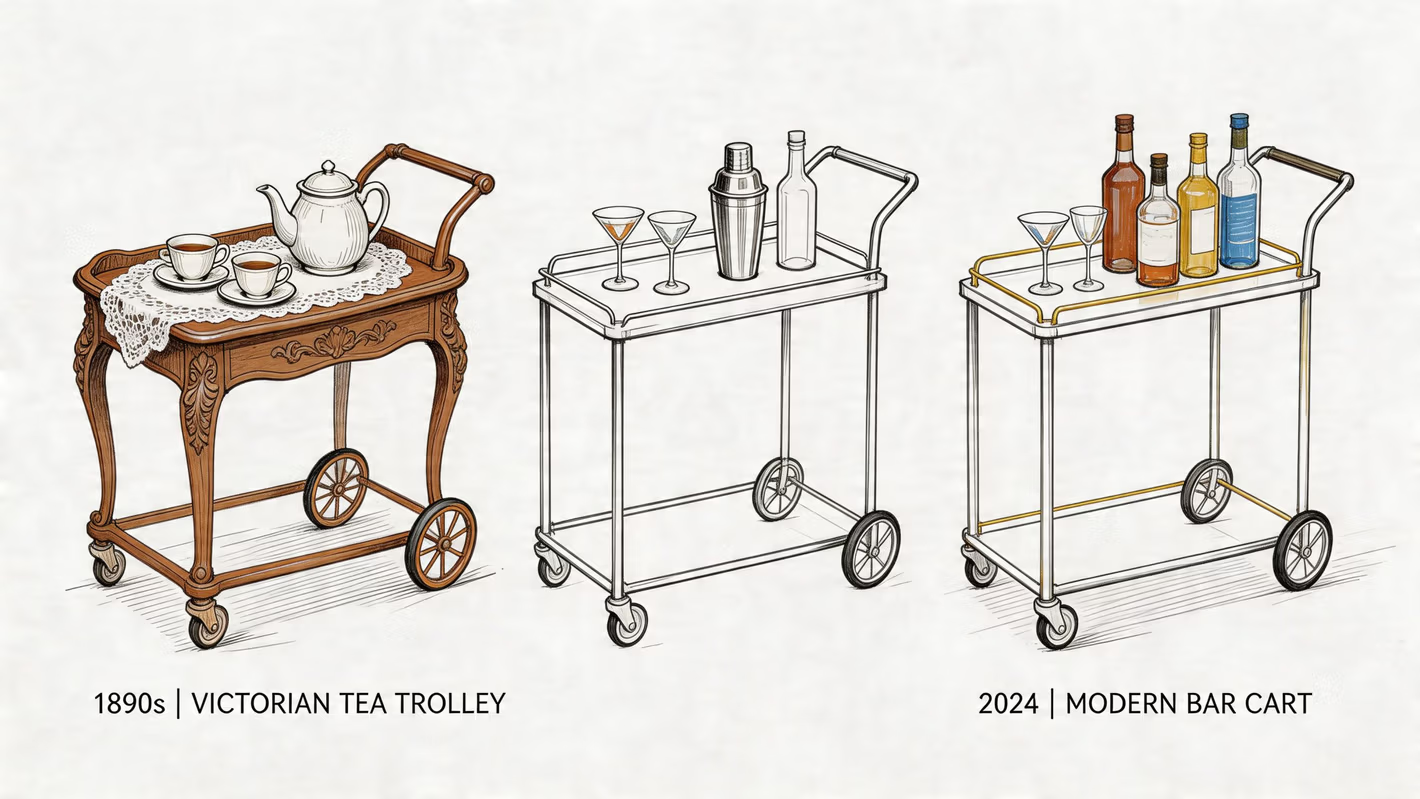
It began as a tea trolley
The bar cart originated as a tea trolley in the late 19th century, with earlier references tied to service carts in England. It started as a practical household piece used to wheel in tea and refreshments. During U.S. Prohibition from 1920 to 1933, its role shifted because private, discreet serving became more important. Later, its popularity as a home style icon peaked in the mid-1950s to 1960s alongside cocktail hour culture, as noted in this history of the bar cart.
That history explains why bar carts still feel both elegant and useful. They were never just decorative.
Why the design kept evolving
Each era asked the cart to do something different.
In its tea-trolley days, it supported formal hospitality. During Prohibition, it became more discreet and adaptable. In the mid-century period, it turned into a design statement, often with cleaner lines and a stronger visual presence in the home.
If you enjoy learning how older furniture shapes current interiors, our look at style trends for your home shows how classic forms often come back in fresh ways.
The reason the bar cart has lasted is simple. Homes change, but people still want an easy way to gather and serve.
What that history means for you today
You don’t need a period-correct room to use one well.
A modern farmhouse home can handle a wood-and-metal cart. A transitional space may call for softer finishes and a quieter profile. A more polished living room can use glass, brass tones, or a mirrored shelf without feeling overdone. Once you know the cart’s history, it’s easier to see it as a timeless helper rather than a trend piece.
How to Choose the Right Wine and Bar Cart
Choosing a wine and bar cart gets easier when you break it into a few practical decisions.
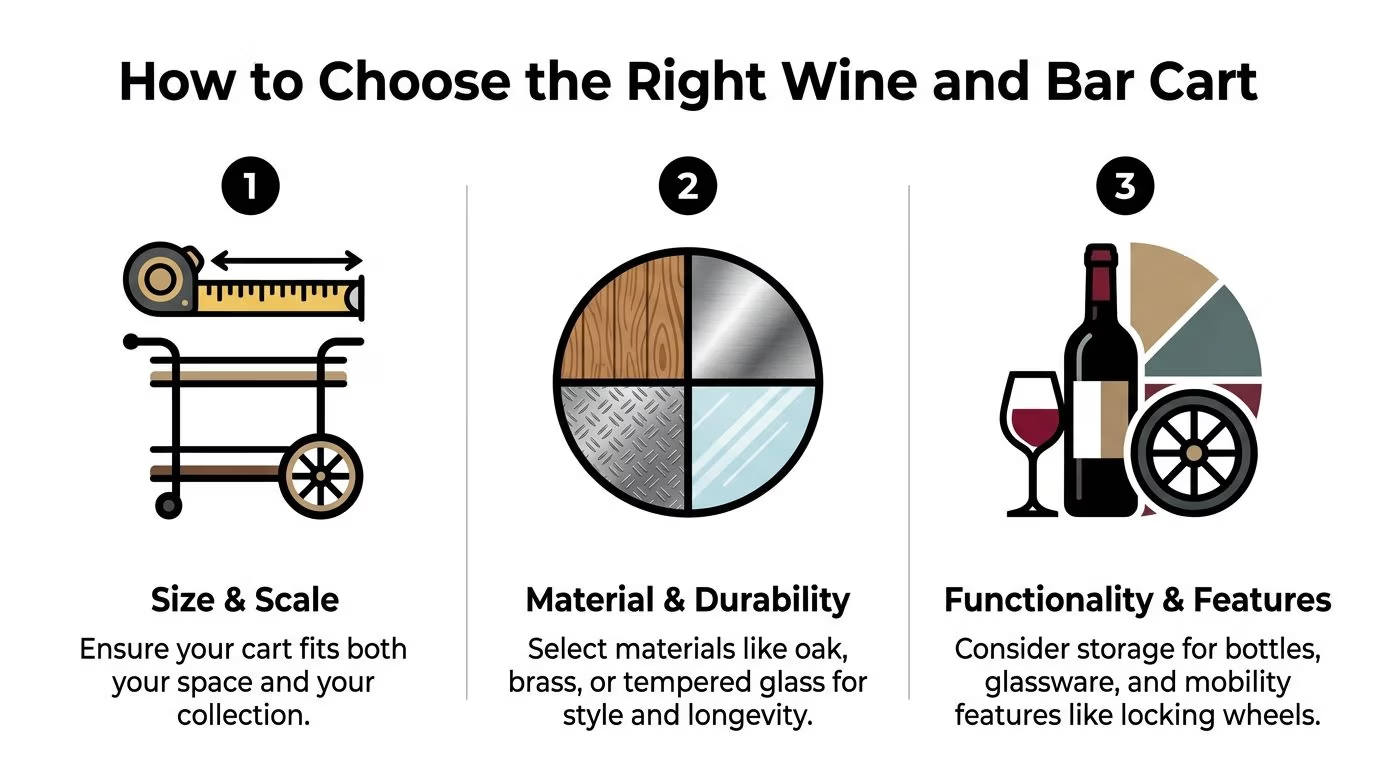
Size and scale
Most mistakes occur in this scenario: A cart can look perfect online and still feel wrong in the room.
A medium cart, roughly 30 to 40 inches long, can hold 12 to 20 wine bottles, but going beyond that can raise the center of gravity and increase tip risk by up to 50% on uneven floors. The same guidance notes that locking wheels and wide-stance bases reduce overturn force by 30%, which is why those details matter more than many shoppers realize, according to this bar cart stability guide.
Use a tape measure before you shop. Better yet, read through how to measure furniture and check:
- Walking space: leave enough room so the cart doesn’t pinch a path.
- Door swing and drawers: make sure nearby doors can still open comfortably.
- Height relationship: the cart should feel proportional to nearby seating, consoles, or counters.
A compact cart often works better than a bulky one. You want presence, not obstruction.
Material and durability
Materials affect both style and upkeep. There isn’t one right answer, but there are better fits for different homes.
- Wood: warmer, more grounded, and often easier to blend with existing furniture. Good for farmhouse, traditional, or transitional rooms.
- Metal: cleaner and lighter in appearance. A strong choice if your room already has black hardware, brass accents, or modern lighting.
- Glass shelves: visually open and good for small rooms because they feel less heavy. They do show fingerprints and require a little more regular cleaning.
- Mixed materials: often the sweet spot. Wood plus metal, or metal plus glass, gives you flexibility.
If you have children, pets, or very active traffic patterns, lean toward sturdier surfaces and simpler silhouettes. Delicate finishes can be beautiful, but daily life should still win.
Functionality and features
A good-looking cart that doesn’t serve your routine won’t stay useful for long.
Look for features that match how you live:
- Bottle storage: useful if you keep several wines or spirits on hand.
- Stemware rack: helps free up shelf space and keeps the top from feeling cluttered.
- Handles: make movement easier if you host in more than one room.
- Locking casters: worth prioritizing if the cart will sit on hard floors or slightly uneven surfaces.
- Shelf spacing: tall bottles and pitchers need breathing room.
Practical rule: buy for your real habits, not your fantasy hosting personality.
If you mostly enjoy a glass of wine at the end of the week, you may need one shelf for bottles and one for glasses. If you host holiday dinners, you may want more serving space and easier mobility. If the cart will sit beside your sofa year-round, choose something that looks good even when it isn’t fully stocked.
Design Your Dream Cart with Our Custom Program
Sometimes the right wine and bar cart isn’t the one already assembled on a showroom floor. It’s the one that matches your room, your storage needs, and the way you entertain.
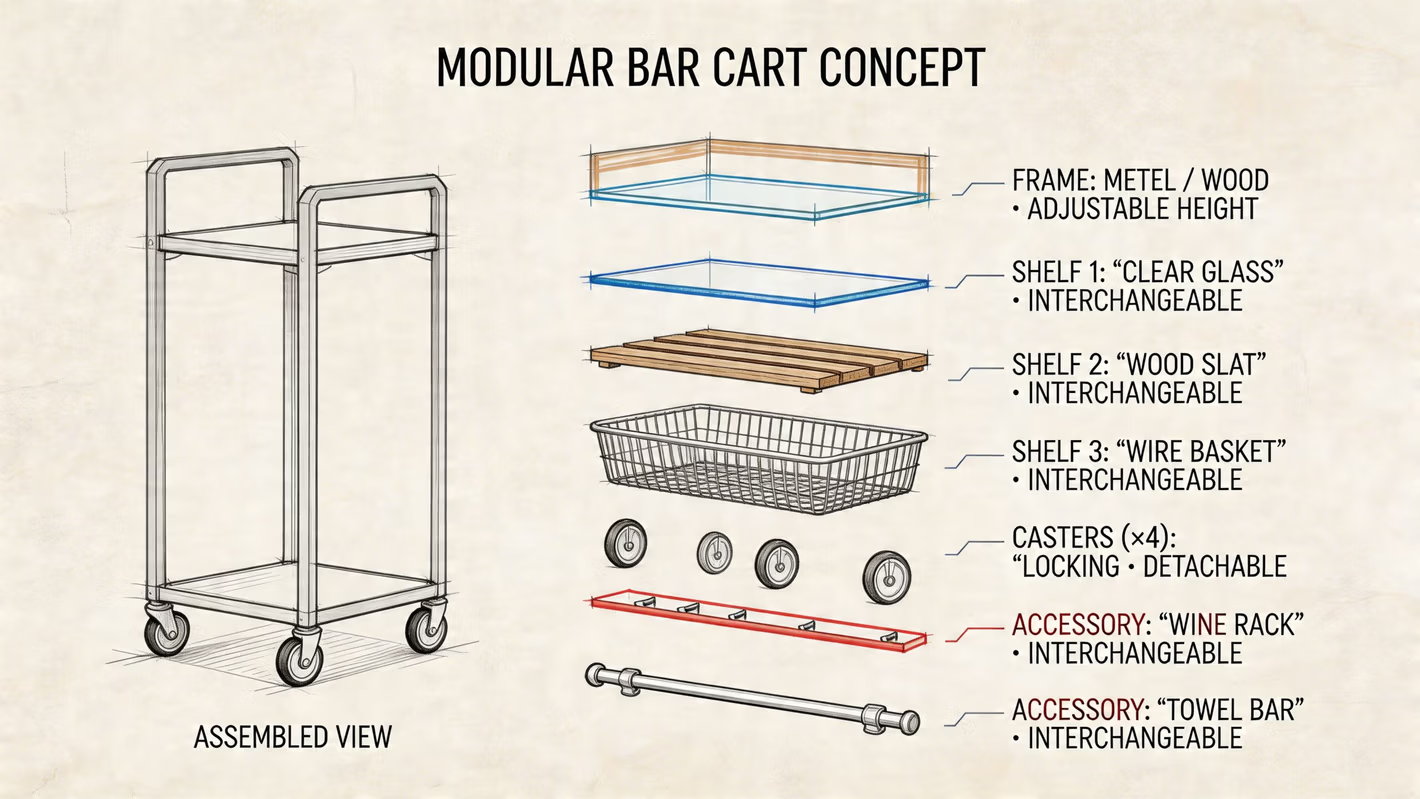
Why customization matters
Storage planning works best when you think ahead. Guidance for collectors suggests choosing capacity that’s 50% greater than your current need, and notes that modular dividers and specialty racks can improve fill efficiency by up to 90% while accommodating irregular bottle shapes, as explained in this storage planning guide.
That’s helpful because not every collection is neat and uniform. Some people keep tall sparkling bottles, wider bottles, cocktail tools, linen napkins, and a few favorite glasses all in one place. Standard shelves don’t always handle that mix gracefully.
What you can tailor
In this case, a custom order becomes practical, not fancy.
At getting started with custom order, shoppers can begin shaping a piece around their actual room and habits. That may include finish choices, shelf configurations, hardware details, or a layout that better fits an awkward corner or open-concept wall. It’s the same thinking that helps create the custom sofas Ohio shoppers look for when standard sizing and fabric choices don’t quite solve the problem.
A few details are worth considering:
- Shelf layout: open top for serving, divided lower shelf for bottles.
- Finish direction: warm wood for cozy spaces, darker metal for a sharper profile.
- Hardware: subtle if you want the cart to blend in, more polished if you want it to read as an accent.
- Accessory storage: room for a tray, opener, stoppers, or cloth napkins.
Brands and room coordination
When shoppers want quality benchmarks, it helps to look at established upholstery and casegoods partners such as Flexsteel and Smith Brothers of Berne. Those names come up often in conversations about durable construction, custom options, and pieces that are meant to live in a home for years, not a season.
It also helps to think beyond the cart itself. If your cart will live near a seating area, compare finishes with your Living Room furniture so the whole space feels connected rather than pieced together.
One practical option for local shoppers is Tanger's Furniture, which offers custom order support along with broader room coordination. That’s useful when the cart needs to work with existing seating, occasional tables, or a larger redesign.
Styling and Placing Your Cart in Any Room
A wine and bar cart should look settled in, not dropped in at the last minute.
Start with the room, not the cart
One common reason furniture gets returned is simple space mismatch. Data suggests 34% of furniture returns relate to size and space incompatibility, which is why floor space, height ratios, and room layout deserve attention before you buy, according to this discussion of space planning gaps.
That’s especially true in older Bellefontaine and Logan County homes, where rooms can have tighter corners, unusual wall lengths, and traffic patterns that don’t show up in a product photo.
If placement feels tricky, what is space planning gives a useful overview of how furniture should relate to movement, sightlines, and function in a room.
Placement pointers that work
Try these simple guidelines:
- Near, not in, the traffic path: tuck the cart close to the action without forcing people to walk around it.
- Beside dining storage: a cart near a buffet or hutch can act as overflow serving space.
- At the edge of a living area: this often works better than centering it on a wall by itself.
- In a corner with purpose: a slim cart can soften an underused corner and make it functional.
For smaller homes, a lighter-looking cart often helps. Open frames, slimmer shelves, and reflective surfaces can keep the room from feeling crowded. If a full cart still feels too large, consider using it as a dual-purpose station for drinks and decorative storage.
In a compact room, the best bar cart is the one that solves a storage need without creating a walking problem.
What to put on it
You don’t need to fill every inch.
A balanced cart usually includes:
- Core serving pieces: two or three bottle choices, a small group of glasses, and an opener.
- One working tray: helpful for corralling tools, coasters, or napkins.
- A softening element: flowers, a candle, or a small plant.
- Something personal: a framed print, a favorite book, or a special bowl.
If you’d like a practical checklist for wine service tools, this guide to essential wine accessories is a useful companion.
Styling by home type
Different rooms call for different moods.
| Room style | Cart direction | What to include |
|---|---|---|
| Modern farmhouse | Wood tone with dark metal | Linen napkins, simple glassware, warm tray |
| Transitional | Mixed materials, clean lines | Wine glasses, decanter, one polished accent |
| Sleek contemporary | Glass or metal-forward | Minimal bottles, sculptural tools, restrained styling |
You can also treat the cart seasonally. In colder months, it might hold mugs and coffee service. In summer, it can shift toward chilled wine, sparkling water, and easy outdoor serving.
A Touch of Class for Your Business or Office
A wine and bar cart isn’t limited to residential spaces. In the right commercial setting, it can act as a hospitality piece, a refreshment station, or a visual signal that the environment is thoughtful and well cared for.
The broader category has held attention for a reason. The home bar furniture market, including carts, saw a 5.2% CAGR from 2019 to 2024, driven by interest in vintage-inspired decor, and that appeal extends into commercial spaces where a bar cart can communicate sophistication and hospitality, according to this market and design overview.
Where a cart works in a professional setting
A few strong use cases:
- Executive offices: for water service, coffee, or client refreshments.
- Waiting areas: as a hospitality touch with glassware, bottled water, or event materials.
- Conference spaces: for catered meetings and flexible beverage service.
- Boutique hospitality settings: where mobility and presentation both matter.
Why local planning matters
Commercial spaces ask more from furniture. The piece needs to look appropriate, hold up over time, and fit the workflow of the room.
For local businesses, office furniture for small business is a useful starting point if you’re thinking about a broader furnishing plan. A cart can be one small part of a larger office strategy that includes waiting room comfort, storage, and professional presentation.
That same mindset applies whether you’re outfitting a law office, a salon, a clinic reception area, or a creative studio. The right accent piece can support the brand without overwhelming the room.
Bringing Your Vision Home with Confidence
Buying a new piece should feel exciting, not risky. That’s why the practical side matters just as much as the design side.
For many households, value starts with reassurance. The Low Price Promise helps you shop with a little more confidence, especially when you’re comparing long-term quality against quick online buys that may not hold up. Flexible financing also makes it easier to choose the right piece for your home now instead of settling for something temporary.
Delivery matters too. A bar cart may be smaller than a sectional, but careful handling, setup, and follow-through still count. Good local service means you’re not left wrestling with packaging, hauling, or post-purchase questions on your own.
That kind of reliability is why families often return for more than one need over time, whether they’re shopping for living room pieces, Speed Queen laundry, or the mattress store Logan County shoppers count on when comfort and service both matter. It’s all part of the same relationship. You want a local team that handles the heavy lifting and stays available if something needs attention later.
Begin Your Journey to a More Hospitable Home
A thoughtful wine and bar cart can make a room feel more welcoming, more organized, and more personal. It brings together history, function, and style in a way that’s approachable for first-time buyers and rewarding for longtime homeowners.
If you’ve been trying to make a room feel finished, this may be the piece that ties it together. Visit our showroom in Bellefontaine to see our custom options in person or browse our collections online to start your journey. Have a specific design question? Contact our design staff today or join our Love Your Home Club for expert tips delivered to your inbox.
A great next step is to explore Tanger's Furniture for ideas, room inspiration, financing details, local delivery support, and information about joining the Love Your Home Club.