Cooling Tempur Pedic Mattress: A Bellefontaine Guide

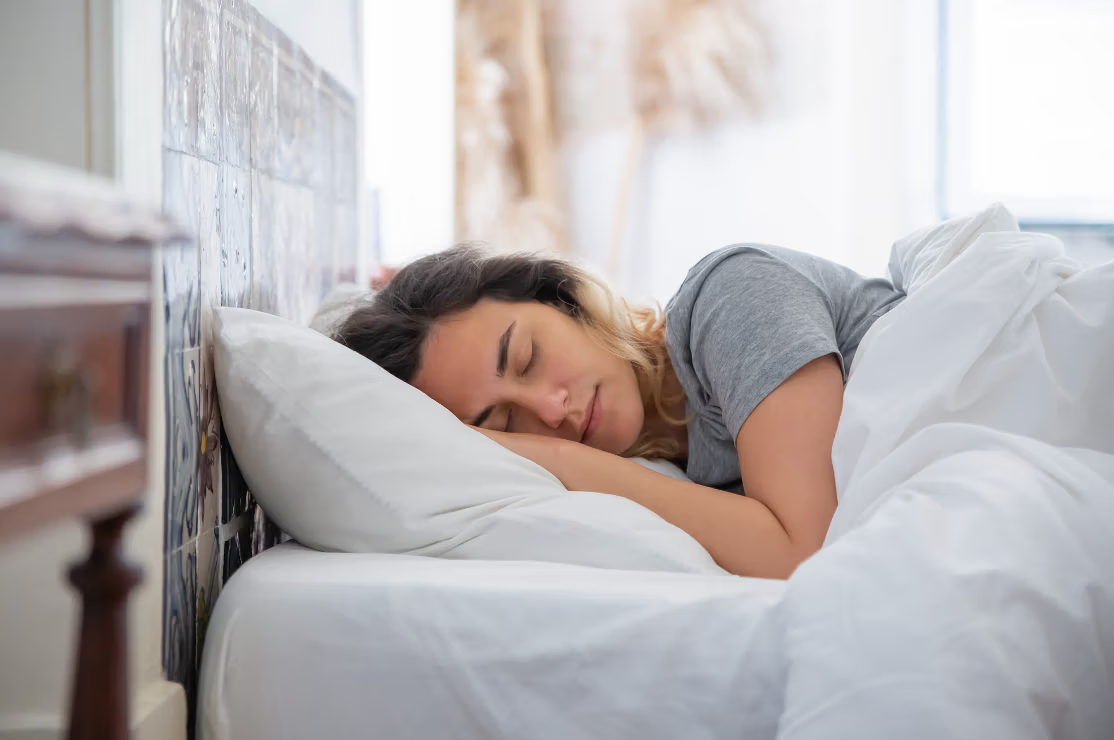
Some nights in Ohio feel like a wrestling match with your own bed. You flip the pillow, push one foot out from under the blanket, then slide across the mattress looking for that one cool spot that seems to disappear the second you find it.
If that sounds familiar, you’re not alone. Hot, restless sleep is one of the most common complaints people have when they start shopping for a new mattress, especially during sticky summer stretches in Logan County. The good news is that a cooling tempur pedic mattress is designed for exactly that problem, but the technology can sound more complicated than it really is.
A lot of shoppers start by reading broad roundups like this guide to the best cooling mattress for hot sleepers, then realize they still want someone to explain what all the terms mean in plain English. If you're sorting through marketing claims and trying to figure out what matters in a real bedroom, this local guide should help. For more warm-weather sleep basics, it also helps to review mattress myths about sleeping better in warmer months.
Tired of Tossing and Turning from Overheating
The frustration usually starts the same way. You fall asleep fine, then wake up warm in the middle of the night and start shifting around. By morning, you’re tired, the covers are halfway off the bed, and the room looks like you slept in a hurry.
That problem isn’t always about your thermostat. Sometimes the mattress itself is holding onto warmth, especially if the materials hug your body closely. Many people love the pressure relief of memory foam, but they worry that the same contouring feel will also trap heat.
That’s where Tempur-Pedic gets so much attention. The brand has spent years working on ways to keep the body-conforming feel people want while reducing the overheated feel people don’t.
Why this gets confusing fast
Most mattress shoppers run into three questions:
- Does “cooling” mean cold all night? Usually, no. It usually means the bed helps manage heat better.
- Is the cool touch on the surface the whole story? No. Surface feel matters, but airflow and heat movement inside the mattress matter too.
- Will it work the same for every sleeper? Not always. A person’s body type, bedding, room conditions, and sleep habits all change the result.
A cooler mattress isn't just about the first minute when you lie down. It matters most at 2 a.m. when you're trying to stay asleep.
What matters most at home
For most households, the goal isn’t a flashy feature. It’s simple. You want to fall asleep without overheating, stay asleep longer, and wake up feeling like your bed helped instead of fought you.
That’s why it helps to look at cooling in stages. First, understand how the technology works. Then compare the models. Then think about the full sleep setup, not just the mattress by itself.
How Tempur Pedic Cooling Technology Actually Works
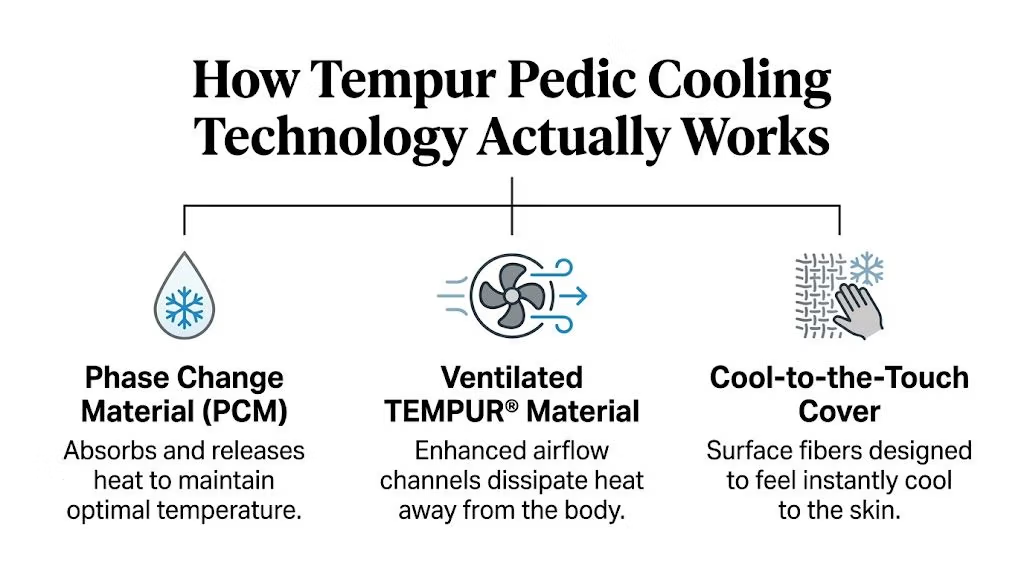
A cooling Tempur-Pedic mattress does its job in layers. One layer gives you that cool first touch when you lie down. Another helps heat move through the mattress instead of building up around your body. In the most advanced models, the bed can even add active airflow and separate temperature settings for each sleeper.
That layered approach matters in Ohio homes, where sleep conditions can change with the season. A bedroom that feels comfortable at bedtime can still trap heat later in the night, especially if your mattress hugs closely and your bedding runs warm.
The cover that feels cool right away
The top cover is your first point of contact, so Tempur-Pedic uses cool-to-the-touch fabrics on certain models to create an immediate sense of relief. That does not mean the bed stays icy. It means the surface is designed to pull heat away from your skin faster than a standard cover would.
A kitchen countertop on a summer morning gives a similar kind of relief. It feels cooler the moment you touch it, even though it is not changing the whole room temperature. That first sensation can help you settle in faster if you tend to climb into bed already warm.
The foam that breathes better
Cooling is not only about the fabric on top. It also depends on what happens deeper in the mattress, where your body is pressing into the comfort layers for hours at a time.
Tempur-Pedic addresses that by using more breathable designs in its cooling collections, including ventilated materials that give heat more paths to escape. A good way to picture it is cross-ventilation in a house. When air can move through instead of getting stuck, the space usually feels more comfortable. The same basic principle applies inside the mattress.
Independent reviewers have also noted that Tempur-Pedic cooling models tend to balance contouring with less deep sink than many traditional memory foam beds, which can help reduce that tucked-in, heat-held feeling over the night, as discussed in best cooling mattresses for hot sleepers.
The material that manages heat over time
Some cooling components work beyond that first cool touch. Tempur-Pedic uses materials designed to absorb and disperse heat, which helps smooth out temperature swings as the night goes on.
That is an important distinction because showroom cooling and all-night cooling are not the same thing. A mattress can feel cool for the first minute and still sleep warm later if it cannot keep handling body heat. Families who shop with us in Logan County are often surprised by that. The better question is not, “Did it feel cool when I touched it?” The better question is, “Will it still feel comfortable at 2 a.m.?”
Practical rule: Lasting comfort usually comes from a combination of a cool surface, breathable construction, and steady heat management over several hours.
What makes the TEMPUR-ActiveBreeze different
At the top end of the lineup, Tempur-Pedic adds active climate control. The TEMPUR-ActiveBreeze® is built for sleepers who need more than passive cooling from fabric and foam alone. It combines active airflow with dual-zone adjustment, so each person can fine-tune their own side of the bed.
For couples, that can solve a common problem at home. One person runs hot. The other is perfectly comfortable, or even chilly. Separate climate settings work a lot like having two recliners in the living room with different comfort preferences, instead of forcing both people into one setting and hoping it works.
If you want to pair temperature control with custom positioning, a Tempur adjustable bed can help create a more personalized sleep setup.
Finding Your Perfect Cool Tempur Pedic Model
A lot of Ohio shoppers reach this point with the same question. “I know I want a cooler bed. Which one fits the way I sleep at home?”
That is the right question, because choosing between Tempur-Pedic cooling models is less like picking the “best” one and more like picking the right winter coat. Some people need a light layer. Others need the heavy-duty version because they run hot every single night, even with the ceiling fan on.
Many shoppers start by comparing the Breeze collection to other brands. If you want a wider view of the category, this roundup of the best cooling mattresses for hot sleepers can help. Inside the Tempur-Pedic lineup, though, the decision usually comes down to how often heat disrupts your sleep and how strong of a cooling response you want.
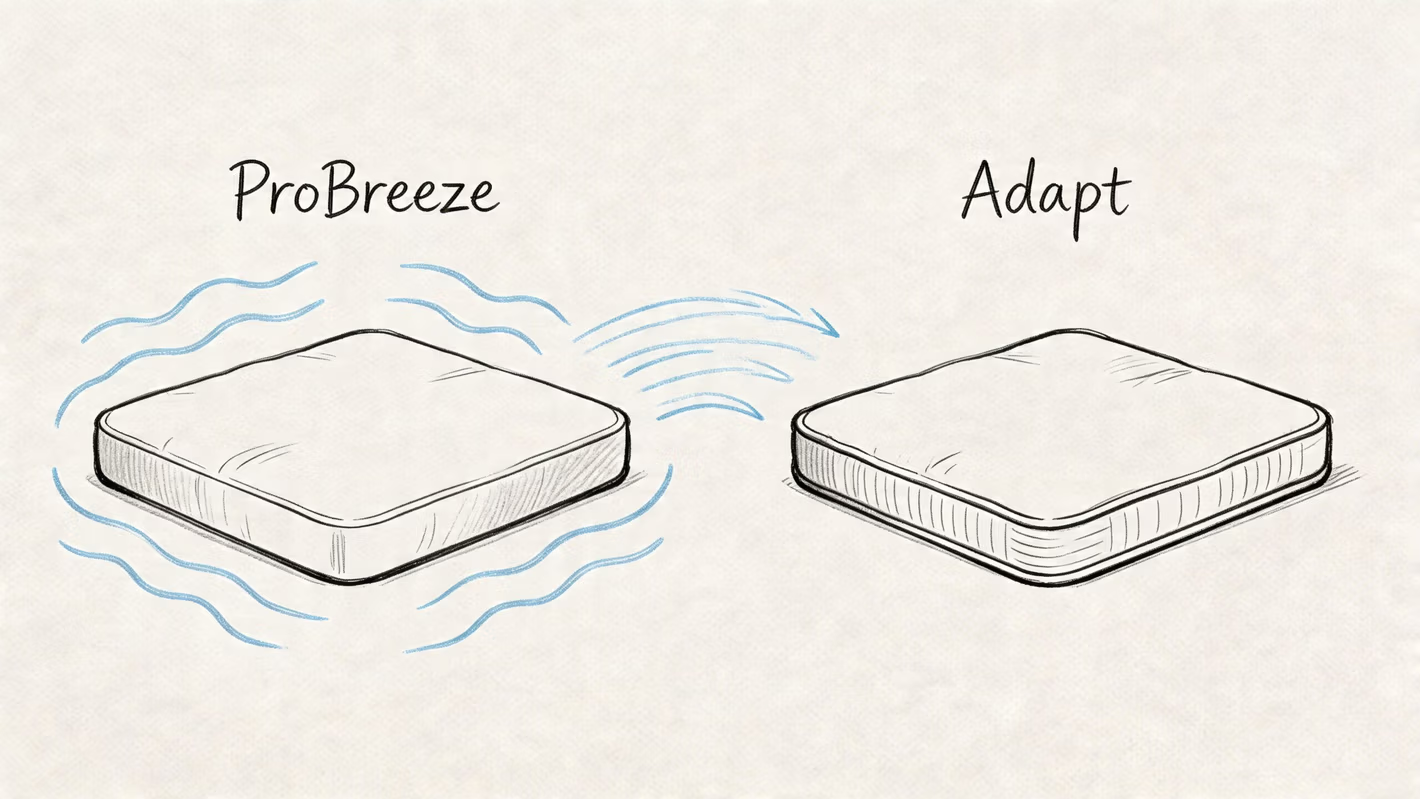
ProBreeze for the warm sleeper
The Tempur-Pedic ProBreeze® makes sense for sleepers who like the pressure relief Tempur-Pedic is known for but want a noticeable cooling upgrade.
This is often the model we point out to people who say things like, “I get a little warm at night,” or “Summer is the hard season, but I’m usually fine the rest of the year.” In plain terms, ProBreeze is a strong middle ground. It gives you more cooling help than an entry cooling model without pushing you all the way to the top of the line.
- Best fit: Sleepers who run warm on a regular basis
- Feel: Balanced comfort with added cooling support
- Why it stands out: A practical step up for homes where bedroom temperatures drift during humid Ohio nights
LuxeBreeze for the very hot sleeper
The Tempur-Pedic LuxeBreeze® is built for a different customer. This is the one people usually notice when heat is not just annoying, but disruptive.
If you wake up sweaty, kick the covers off, or keep searching for the cool side of the bed, LuxeBreeze is often the better match. It is designed for sleepers who need stronger all-night cooling support, not just a cooler first impression when they lie down.
That distinction matters in real homes around Logan County. A mattress that feels a bit cooler in the showroom may be enough for one person. Someone whose body naturally sleeps hot usually needs a bigger margin of help.
A simple way to choose
Here is the plain-language version:
| Model | Best for | Cooling takeaway |
|---|---|---|
| ProBreeze® | Warm sleepers | A noticeable cooling upgrade for regular heat buildup |
| LuxeBreeze® | Very hot sleepers | Stronger cooling help for people whose heat disrupts sleep |
One more point helps clear up confusion. Cooling level is only part of the choice. Comfort feel, support, and budget still matter, especially for couples who share a bed and do not sleep the same way. If you are weighing all of those factors together, this guide for choosing a mattress can help you sort through the bigger decision.
For many Ohio homeowners, the right answer is the model that matches both your body and your bedroom. A cooler mattress works best when it fits your sleep habits, your home's temperature patterns, and the rest of your sleep setup.
The Real-World Performance of a Cooling Mattress
You feel the difference in real life at 2 a.m., not just in a showroom.
That is the test Ohio homeowners care about. A mattress can feel pleasantly cool for the first few minutes, but the bigger question is whether it still helps after your body has been giving off heat for hours, the room feels stuffy, and the blankets are doing their part too.
For many hot sleepers, a cooling Tempur-Pedic does help. Tempur-Pedic points to owner satisfaction as one sign that people notice a meaningful difference over time. What matters more in day-to-day use, though, is understanding what kind of cooling you are buying.
Why some mattresses cool briefly and others help longer
A lot of shoppers get tripped up here, and it is easy to see why. “Cooling” can mean two different things.
One type of mattress feels cool when you first touch it. That is surface cooling. It is a little like stepping onto a shaded porch on a July afternoon. It feels better right away, but that first cool touch is only part of the story.
The second type works to reduce heat buildup through the night by managing warmth and moisture more effectively. That is closer to what hot sleepers usually need. Sleep specialists at the Sleep Foundation explain that breathable materials and moisture control can play a real role in helping sleepers stay more comfortable over the course of the night in their guide to how to sleep cool.
That distinction matters in Ohio homes. Summer humidity in Logan County can make a bedroom feel warmer than the thermostat suggests, and winter heating can dry the air while still leaving some bedrooms stuffy upstairs. In both cases, overnight comfort depends on more than a quick cool-to-the-touch feel.
What performance looks like in a real bedroom
A good cooling mattress should do four practical jobs well:
- Feel comfortable when you first lie down: That immediate relief matters if your bed often feels warm at bedtime.
- Limit heat buildup over time: Your body keeps producing heat all night, so the mattress needs to keep working after the first impression fades.
- Handle moisture reasonably well: If you wake up sweaty, humidity management matters almost as much as temperature.
- Work with the rest of your setup: Sheets, protectors, pillows, and room conditions can support the mattress or fight against it.
That last point is easy to overlook. We have seen families invest in a premium cooling mattress, then cover it with thick, less-breathable bedding and wonder why the bed still sleeps warm. A mattress is a major part of the answer, but your whole sleep setup has to pull in the same direction. Our guide to creating a sleep sanctuary with lighting, temperature, mattress, and bedding working together explains how those pieces affect each other at home.
A plain way to judge cooling honestly
Ask yourself two simple questions after you have slept on it for a while.
Does the mattress help you settle in comfortably at bedtime?
Does it still help later, when your body heat has had time to build up?
If the answer is yes to both, that is real performance. If it only feels cool at first contact, you are getting a nice opening impression, not necessarily better sleep through the night.
For Ohio homeowners, that is the practical standard. The best cooling tempur pedic mattress is not the one with the flashiest claim. It is the one that keeps your bedroom more comfortable, fits your sleeping habits, and helps you stay asleep in your own home.
Creating a Complete Cool Sleep Haven
You get the mattress home, make the bed, and expect cooler sleep that first night. Then the room is stuffy, the protector feels heavy, the sheets hold warmth, and the mattress ends up working harder than it should. We see that in Ohio homes all the time, especially during humid stretches when the bedroom itself is part of the problem.
A cooling Tempur-Pedic usually performs best as one part of a full sleep system. The mattress manages pressure and heat at the surface. The layers above it decide whether that cooling can reach your body. It works a lot like a good furnace and a clogged air filter. The equipment may be doing its job, but the airflow still gets blocked.
Start with the layers closest to your skin
The biggest helper, or the biggest obstacle, is usually your bedding.
A good cooling mattress can lose some of its benefit under thick sheets, a less-breathable protector, or a pillow that holds heat around your head and neck. Sleep specialists at the Sleep Foundation explain how breathable bedding materials and room conditions affect overnight temperature regulation. That lines up with what we hear from families across Logan County. The mattress matters, but the fabric touching your body matters too.
A simple checklist helps:
- Choose lighter, more breathable sheets: Air needs room to move.
- Use a protector carefully: Waterproof protection is helpful, but some thicker styles can hold in more warmth.
- Check your pillow: If your head stays hot, your whole bed often feels warmer.
- Match bedding to the season: Ohio winters and Ohio summers rarely call for the exact same setup.
Look at the room, not just the bed
Bedrooms have their own climate. An upstairs room in July does not sleep like a first-floor room in October.
Small changes can make a noticeable difference. A ceiling fan keeps air moving around the bed. Light, easy-to-adjust layers give you more control than one heavy blanket. Space around the bed frame can help warm air disperse instead of lingering close to the mattress.
Humidity matters too. Air that feels damp often feels warmer, even if the thermostat setting looks reasonable.
Keep the cooling materials working the way they should
Care affects performance over time. If a cooling cover is removable, follow the care instructions so it stays clean and able to do its job. Wash sheets and pillowcases regularly, and replace worn bedding that has become dense, rough, or less breathable.
That is one reason we encourage shoppers to build the whole sleep setup with intention instead of treating the mattress like a stand-alone fix. If you want a broader home-focused guide, our article on creating a sleep sanctuary with lighting, temperature, mattress, and bedding working together shows how those pieces come together in a real bedroom.
Test a Cooling Mattress at Our Bellefontaine Showroom
Reading about cooling features helps. Lying on the mattress helps more.
A mattress can sound perfect online and still feel wrong for your body once you stretch out on it. That’s why an in-person visit matters so much, especially if you’re shopping for a cooling tempur pedic mattress and trying to judge how the surface, support, and contouring feel together.
How to test it the right way
Don’t just sit on the corner for a few seconds. That tells you almost nothing.
Instead:
- Lie down in your usual position: Side, back, or stomach.
- Stay there long enough: Give the material time to respond to your weight and shape.
- Notice your shoulders and hips: You want support without pressure build-up.
- Pay attention to temperature feel: Check both the first-touch coolness and your comfort after a few minutes.
If you're comparing models in person, give each one enough time to settle. Tempur material is meant to respond to the sleeper, not just to a quick hand press.
Why local testing helps
In a good showroom, there’s no rush. You can compare comfort levels, ask questions, and figure out whether you need moderate cooling or stronger all-night support.
That’s especially helpful for couples, first-time buyers, and anyone balancing comfort with value. It also matters for commercial buyers furnishing guest spaces, offices, or hospitality settings, where individual comfort can affect the whole experience.
If you’re searching for local furniture stores near me, it’s worth choosing a place where you can test mattresses without pressure and get real help matching the bed to your room, your sleep style, and your budget.
Start Your Journey to Cooler Nights Today
You know the feeling. The house finally quiets down, the lights are off, and instead of settling in, you are flipping the pillow, kicking off the covers, and trying to find one cool spot that never lasts.
For plenty of Ohio homeowners, that kind of night is not caused by one thing alone. Your mattress plays a big part, but so do your sheets, your protector, your room temperature, and even how much heat your body gives off while you sleep. A cooler bed usually comes from getting several pieces working together, like tuning a whole room instead of changing one lightbulb.
That is why a smart mattress purchase starts with clear expectations. A cooling Tempur-Pedic model can help pull away surface heat and support your body with less pressure buildup, but it works best as part of a complete sleep setup that lets that cooling effect do its job.
A simple path works best:
- Learn what each cooling feature is designed to do
- Choose a model that fits how warm you sleep at home
- Pair it with breathable bedding that does not trap heat
- Try it in person before making a final decision
That last step matters more than many shoppers expect. What feels cool for thirty seconds can feel very different after ten minutes. The right mattress should help you relax, stay supported, and sleep more steadily through the night.
Better sleep changes the rhythm of home. Mornings feel less rushed. Evenings feel calmer. Your bedroom starts doing the job it was meant to do.
Visit Tanger's Furniture in Bellefontaine to compare cooling mattress options in a comfortable, no-pressure setting. Our family has helped Logan County households furnish their homes for generations, and we can help you sort through the specific differences between models without burying you in jargon. If you are updating one bedroom, outfitting a full home, or planning a professional space through our Commercial Office services, ask about our Low Price Promise, financing options, local delivery, and in-house service support. Stop by the showroom to try models for yourself and get guidance that fits the way you sleep at home.